
A Guide to Quotex Trading for Indian Traders
Explore Quotex trading in India 📈. Learn its features, account options, strategies, and safety tips to trade smart and secure your investments.
Edited By
Ethan Marsh
When it comes to trading in India, your mobile phone is more than just a gadget; it’s your trading desk, research tool, and real-time newsfeed all packed in one. Choosing the right mobile can directly affect how smoothly you execute trades and keep up with market movements.
Traders need mobiles that handle intensive apps like Zerodha Kite, Upstox, or Groww without lag. It’s not just about having the latest model but understanding features that sustain your trading routine.
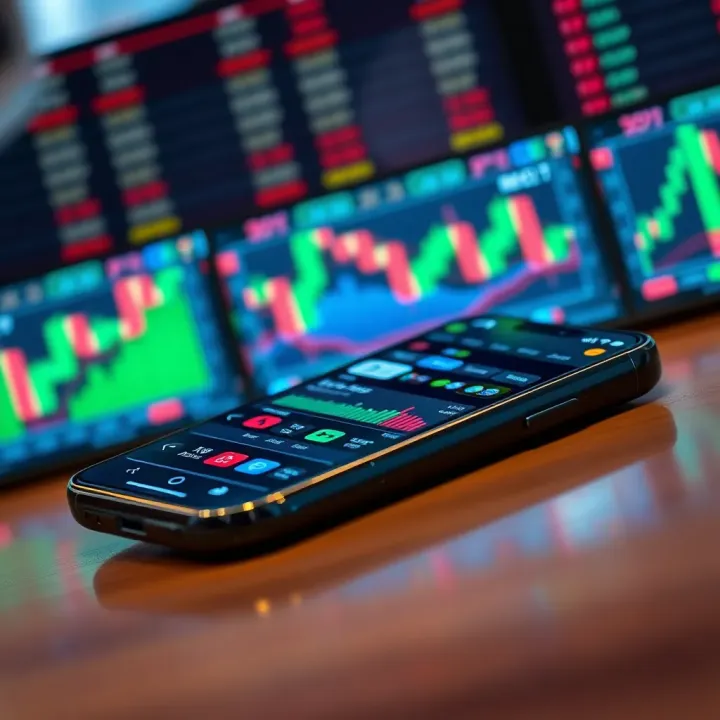
A phone with sluggish processing or poor connectivity can cost you time and money — no trader can afford that kind of delay.
Here’s what you should focus on:
Processing Power: Trading apps demand a fast processor and ample RAM. Phones with Snapdragon 8 series or MediaTek Dimensity chips and at least 6GB RAM usually perform well under load.
Display Quality: Sharp, bright displays reduce eye strain during long trading sessions. AMOLED or IPS LCD screens with Full HD+ resolution offer clarity for charts and candlestick patterns.
Security Features: With sensitive financial data on your phone, biometric security like fingerprint sensors and face unlock add layers of protection against unauthorised access.
Connectivity: Stable 4G LTE or 5G connectivity helps in fast order placements. A phone supporting dual SIMs with VoLTE ensures you stay connected even if one network falters.
Understanding these basics helps you pick a phone suited to your budget and trading style, whether you're a day trader or a long-term investor.
Next, we will check out some popular mobiles preferred by Indian traders and how to avoid common mistakes when buying a trading phone.
Choosing a mobile for trading involves more than just picking a shiny new device. Traders need phones that can handle fast data, complex apps, and secure transactions without hiccups. When buying for trading, focus on hardware power, display clarity, battery endurance, network speed, and security features. These factors directly impact how smoothly you can monitor and execute trades throughout the volatile market hours.
A fast processor is the backbone of a trading mobile. Since trading apps pull live data and updates, a slow processor can cause lags, leading to delayed decisions. Mobiles with Qualcomm Snapdragon 7 or 8 series processors or equivalent from MediaTek generally handle trading apps smoothly. For instance, an older Snapdragon 660 might struggle with real-time chart updates on heavy apps like Zerodha Kite or Upstox.
RAM plays a key role in multitasking. Trading doesn't happen in isolation—you often run news apps, market reports, or messaging apps alongside. A mobile with at least 6GB RAM ensures these apps stay responsive while you switch between them quickly. Too little RAM will force apps to reload, disrupting your workflow at crucial moments.
High-resolution displays make chart patterns and market indices easy to read. Phones supporting Full HD+ (1080p) or higher resolution provide sharper visuals, crucial when you analyse candlestick charts or spot price trends on small screens. Brightness levels and colour accuracy also matter, especially if you trade outdoors or under varied lighting.
Screen size affects usability during long trading sessions. A screen between 6.5 to 7 inches usually strikes the right balance—it offers enough space to view detailed charts and order books but remains comfortable to hold. Too small, and you struggle with cramped visuals; too large, and the mobile becomes unwieldy during quick trades.
Markets stay open for long hours, so you need a mobile that lasts through the day without constant charging. Phones with batteries of 4,000mAh or more typically provide this endurance. For day traders especially, unexpected battery drainage can mean missed opportunities.
Fast charging comes in handy when you do need to top up during breaks. Phones supporting 25W or higher charging power can restore a substantial battery level within 30-40 minutes. This reduces downtime and keeps your trading uninterrupted.
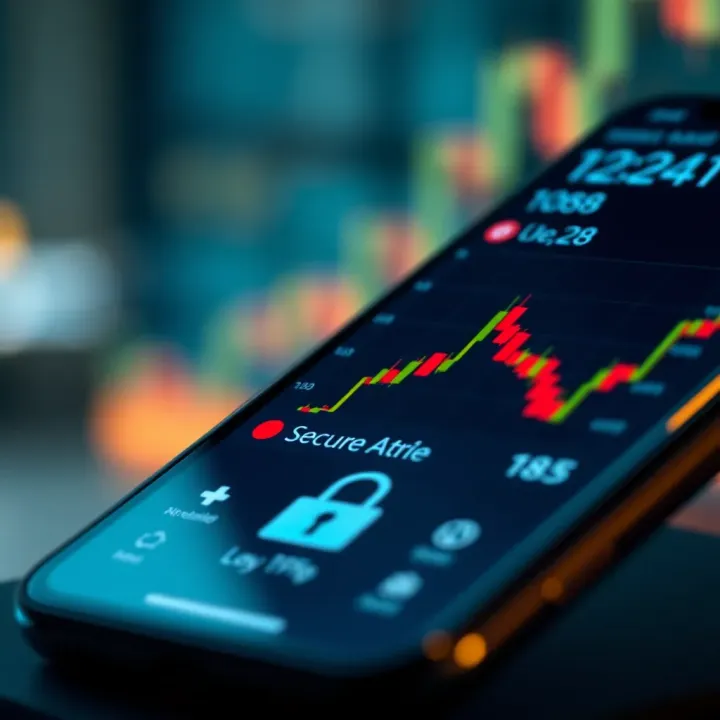
Stable 4G or 5G connectivity is non-negotiable for real-time data access. Delays or dropped connections lead to outdated information and can cause costly mistakes. Check that your mobile supports the latest network bands used widely in India, like Reliance Jio’s 5G.
Security features like biometric locks—fingerprint scanners or face recognition—help safeguard your trading accounts. Many apps don’t just rely on passwords but require device-level security too. Enabling biometric authentication lowers the risk of unauthorised access, especially when trading on public Wi-Fi or shared networks.
When trading, every second counts, and so does every feature in your mobile. Choosing one that supports smooth app performance, clear visuals, long battery life, quick charging, solid connectivity, and strong security makes all the difference between profit and loss.
Selecting the right mobile is key for traders who need reliable performance and smooth operations. Popular mobiles among traders reflect devices that successfully blend processing power, display quality, and security features—essentials for tracking market movements and executing trades swiftly. Knowing which mobiles are commonly chosen by traders helps you narrow down your options based on real-world usage and experiences.
Flagship devices such as the Samsung Galaxy S23 Ultra or the Apple iPhone 14 Pro Max come with top-tier processors like the Snapdragon 8 Gen 2 or Apple’s A16 Bionic chip, paired with ample RAM (8–12 GB or more). These devices cost upward of ₹70,000 but offer exceptional performance, high-resolution AMOLED displays, and robust build quality. Fast charging and long battery life aid traders who are active throughout market hours without worrying about frequent recharges.
Premium mobiles suit active traders well because they handle demanding trading apps and live market data streams without lag. The accurate colour reproduction and large screen sizes make chart reading and analysis comfortable even during long trading sessions. Moreover, advanced security features like Face ID or Samsung Knox provide peace of mind when making sensitive transactions.
Phones like the OnePlus Nord 3 and Xiaomi Redmi Note 12 Pro offer impressive specifications at a more affordable ₹25,000–₹40,000 range. These models feature capable processors such as MediaTek Dimensity 9200 or Qualcomm Snapdragon 7 series, which manage multitasking efficiently. You get good AMOLED displays and decent battery lives that suit regular traders who need performance without splurging.
Mid-range mobiles strike a balance between cost and trading needs by supporting popular trading platforms without hiccups. Their network connectivity options usually include 5G, ensuring real-time data updates. Users can expect fast charging and biometric security, making them practical for most investors who trade occasionally or manage portfolios on the go.
Entry-level mobiles like the Realme Narzo 60A or Samsung Galaxy M04 focus on affordability, starting at around ₹8,000 to ₹12,000. These devices often come with basic processors and smaller HD+ displays, enough to support essential trading apps for casual or beginner traders.
However, budget mobiles come with some trade-offs. They may have limited RAM (3–4 GB), which can slow down multitasking between trading and news apps. Lower screen resolution can affect chart clarity, while battery life might not last a full trading day under heavy usage. Connectivity options might also lack 5G support, posing a risk of delays when markets move fast.
Choosing a mobile for trading depends on your activity level and budget. Premium phones suit day traders needing speed and clarity, while mid-range ones serve most active users well. Budget models work for beginners but come with limitations to keep in mind.
Knowing these segments and popular mobiles within each lets you pick a device that fits your trading style without overspending or compromising on key features.
Matching your mobile features to your trading style ensures smoother trades and better handling of market fluctuations. A mobile suitable for frequent trades might feel overkill for a casual investor, and vice versa. Understanding specific features aligned with how often and intensely you trade can save you money and prevent hassles.
Priority on processing speed and display quality
Day traders rely on real-time market data and often run multiple apps simultaneously, so a fast processor like the Snapdragon 8 Gen 2 or Apple's A16 Bionic is crucial. Such chips handle rapid calculations without lag, preventing delays during critical trade decisions.
A crisp and large display also matters. A 6.5-inch or bigger AMOLED screen with 1080p+ resolution helps in reading intricate candlestick charts clearly, minimising eye strain during long sessions. High refresh rates, say 90Hz or more, make interface scrolling smoother, aiding quick navigation between charts and trading apps.
Importance of battery life and connectivity
Long battery backup keeps you connected through market hours, especially from 9:15 am to 3:30 pm IST. Mobiles with 4,500 mAh or higher batteries paired with efficient software (like MIUI or iOS) reduce the chances of shutdown during volatile trading.
Moreover, stable 4G or preferably 5G connectivity ensures uninterrupted data feeds. Frequent traders benefit from phones supporting multiple bands and strong network reception like the Samsung Galaxy S23 Ultra, as dropped connections can lead to missed opportunities or losses.
Balancing cost with sufficient features
Investors who review portfolios less frequently do not need top-tier hardware. A mid-range mobile such as the Xiaomi Redmi Note 12 Pro or Samsung Galaxy M14 can handle trading apps smoothly with decent processors and enough RAM (6GB-8GB).
This balance avoids overspending while still managing key features like chart viewing and timely order placement, fitting well where trades happen less frequently or in larger timeframes rather than minute-by-minute.
Choosing mobiles with long-term reliability
Since occasional traders hold positions longer, device longevity matters more than speed. Phones that receive regular software updates and security patches, such as those from Nokia or Google Pixel series, minimise risks like app crashes or security vulnerabilities.
Also, sturdy build quality and efficient battery management help avoid early replacements. Reliable mobiles lower maintenance cost and ensure your trading tools are available when you need them, making long-term investment in a dependable brand wiser.
Choosing a mobile aligned with your trading habits avoids unnecessary expense and maximises efficiency, whether you're chasing minute-to-minute stock moves or managing a calm portfolio at your own pace.
This approach helps traders pick mobiles that fit both their budget and their market activity level, providing a tailored trading experience on the go.
Choosing the right mobile for trading requires care beyond just picking the latest model or going for the cheapest option. Traders often overlook key factors that can disrupt their experience, especially during crucial market hours. Avoiding common mistakes ensures you get a mobile that supports your trading style and keeps your investments secure.
Making sure your mobile's operating system (OS) works well with trading apps is essential. Popular trading platforms like Zerodha Kite, Upstox, and Groww receive frequent updates to improve features and fix bugs. A mobile with outdated or incompatible OS versions can cause apps to crash, lag, or not open at all. For example, if your phone runs an older Android version, it might not support the latest app updates, affecting the smooth execution of trades.
Security patches play a big role too. Trading apps deal with sensitive financial data, so any delay in OS security updates can expose vulnerabilities. Regular updates from brands like Samsung or OnePlus typically close these gaps, protecting your account information from malware or hacking. Without timely patches, you risk losing money or personal data, which is hard to recover.
A stable internet connection is the backbone of real-time trading. Poor connectivity during market hours can mean delayed price updates or failed orders, leading to financial losses. Even in metro cities, networks can fluctuate due to congestion or spotty coverage indoors. Mobiles supporting 4G LTE or 5G ensure faster and more reliable access to live data and trade execution.
Security features like biometric locks—fingerprint or facial recognition—offer quick yet safe access to trading apps. Considering the rise of phishing and cyber-attacks, ignoring such security can put your investments at risk. Encryption and app-level security settings also add layers of protection, preventing unauthorised access if your mobile is lost or stolen.
Opting only for the cheapest mobile might seem attractive but often proves costly in the long run. Many budget mobiles compromise on processing power, resulting in slow app response times, which can be fatal during volatile market movements. For instance, a lagging app can cause delayed order placements, missing profitable trades.
Investing in a balanced device with decent specifications—good processor, enough RAM, and reliable network support—pays off by offering smoother trading experiences. While it might cost a bit more upfront, such mobiles reduce downtime, prevent app crashes, and enhance security, ultimately safeguarding your trading activities and helping you make timely decisions.
Picking a mobile for trading isn’t just about features or price; it’s about matching the device to your trading needs and ensuring reliability, security, and seamless app performance through the trading day.
Explore Quotex trading in India 📈. Learn its features, account options, strategies, and safety tips to trade smart and secure your investments.

Boost your Quotex trading with smart strategies! Learn risk control, market analysis, and solid tips to trade wisely and improve profits. 📈💡
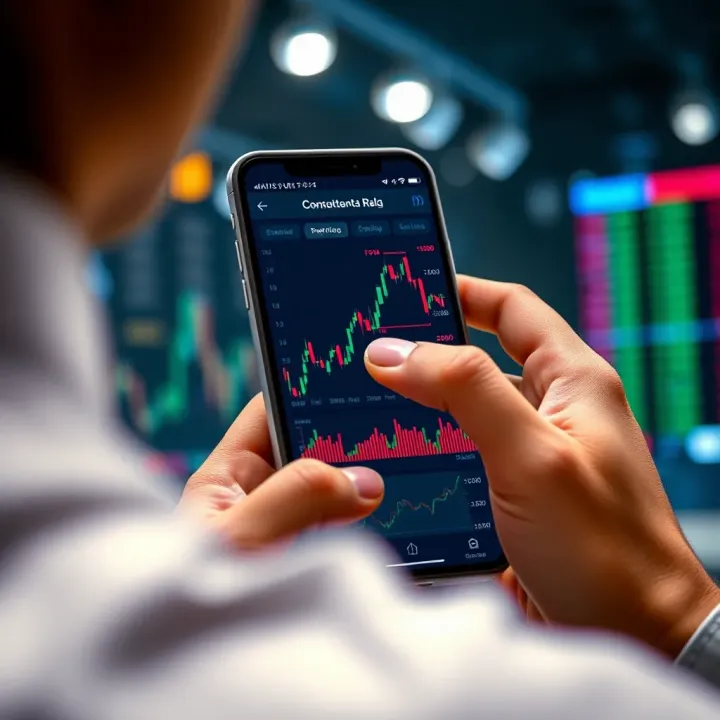
Discover RBI-approved trading apps in India 📱 Learn how to pick secure, official platforms for seamless trading and investment 📈 Stay informed with essential tips!
📈Explore real trading platforms in India, their key features, types, security tips, and legal aspects to trade smarter and safer.🔒💹
Based on 14 reviews