

Ethereum Price Forecast: Trends and Predictions
Explore Ethereum price trends with insights on technical analysis, market factors, and expert views. Stay informed on future movements for Indian investors 📈
Edited By
Charlotte Adams
Crude oil prices today reflect a complex web of factors shaping the global economy. For traders and investors, staying updated on these fluctuations matters deeply because these changes impact everything from fuel costs to inflation trends.
Current crude price trends hinge heavily on supply-demand balances and geopolitical shifts. For example, disruptions in Middle Eastern production or decisions by OPEC+ countries to cut output can tighten supply, pushing prices upward. On the other hand, rising stockpiles in major consuming nations like the US or China often signal weakening demand, leading to price drops.
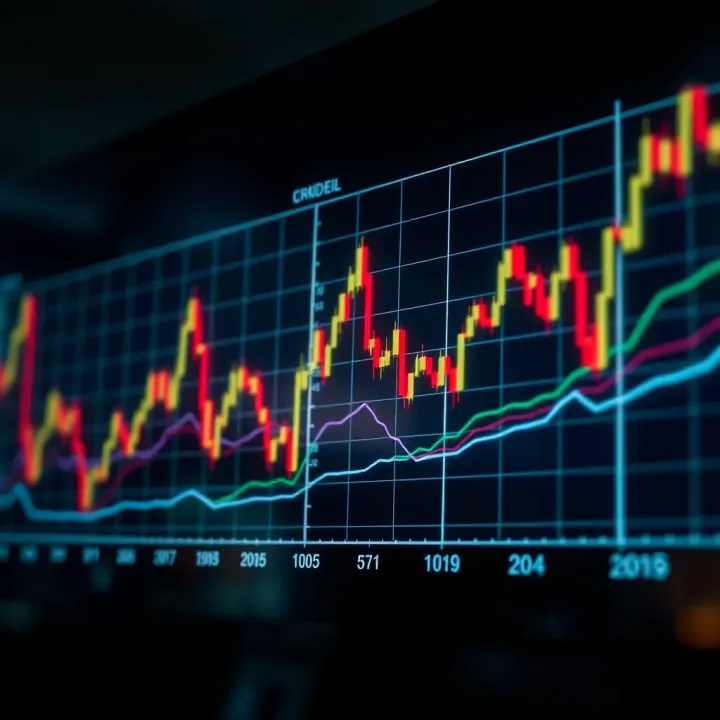
India, as one of the largest crude importers, keenly watches these developments. Variations in crude prices directly affect petrol and diesel rates within the country, influencing transport, industry, and ultimately inflation.
Traders should note that supply routes and geopolitical risks remain volatile—events such as sanctions on Iranian oil or conflicts in Libya can cause sudden price swings.
Besides headline geopolitical events, other important drivers include:
Economic growth signals from major economies influencing oil demand expectations
Changes in US shale production affecting global supply
Currency fluctuations impacting purchasing power, especially the rupee-dollar rate
Seasonal demand shifts, like increased summer travel increasing petrol use
Expert forecasts typically combine these data points with technical charts to predict near-term price directions. While no forecast is sure, understanding the mix of fundamental factors gives investors better confidence.
In this article, we will break down today's crude oil price movements, highlight the main market drivers, and summarise key forecasts. Our goal is to equip you with clear insights that help navigate this volatile market with more certainty.
Following current trends in crude oil prices remains critical for traders, investors and financial analysts. These trends provide a snapshot of the market’s immediate direction and underlying factors. Knowing how oil prices shift day-to-day helps professionals anticipate short-term moves and adjust their strategies accordingly.
Today, crude oil prices are displaying moderate volatility, largely influenced by fluctuating demand in major economies. For example, a slight dip in China’s industrial output recently weighed on prices, while supply constraints in the Middle East led to brief rebounds. Such fluctuations are typical as oil markets react quickly to fresh data and geopolitical developments.
Price movement today shows Brent crude around $80 per barrel, reflecting a balance between global output cuts and recovering fuel demand in countries like India and the US. This push-and-pull effect means prices can shift within a narrow band, which is crucial for short-term traders scanning for entry or exit points.
Crude oil prices are closely tied to activity in several key markets worldwide. The US, as the largest consumer and producer, influences prices through its EIA inventory reports and shale production trends. For instance, a sudden increase in US crude stocks usually signals oversupply and can cause prices to dip.
Meanwhile, OPEC’s decisions on production quotas directly affect supply levels. Their recent agreement to maintain output cuts has supported prices, limiting sharp declines. At the same time, developments in the Gulf region—such as tensions over shipping lanes—can contribute to sudden price spikes.
Asian markets also play a role, with demand from India and China shaping global consumption forecasts. Any unexpected shifts in fuel import policies or refinery activities in these countries often create ripple effects in crude pricing globally.
Keeping an eye on today's price movements alongside global market signals equips you to understand why crude oil prices shift and where opportunities or risks might arise. This awareness is essential whether you operate in commodity trading, energy investing, or financial analysis.
Understanding these current trends provides a solid foundation for forecasting future pricing and making informed decisions about buying, selling, or hedging exposure to oil. The market moves fast, and staying updated about these factors helps you avoid surprises and spot early signals of larger shifts.
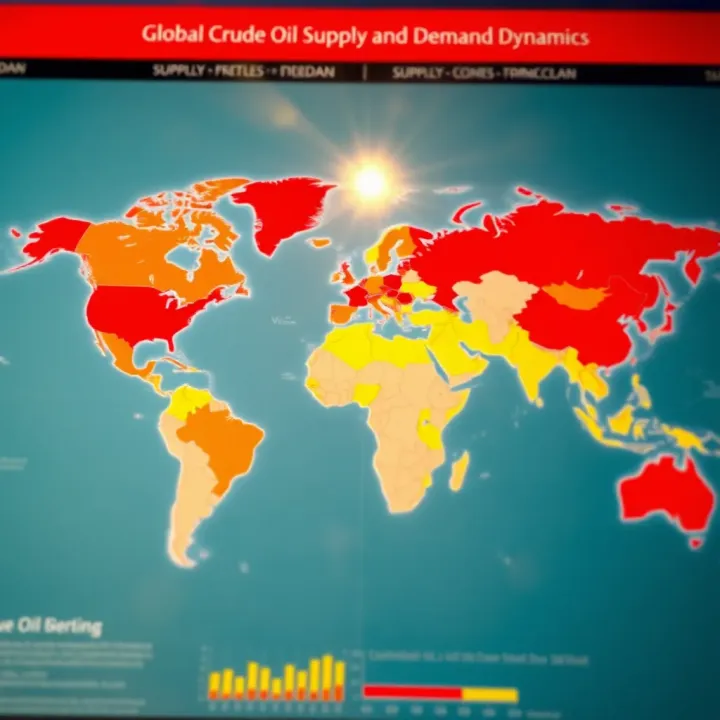
Understanding the factors driving crude oil prices today is essential for traders, investors, and financial analysts alike. These variables influence market behaviour, helping professionals anticipate movements and make informed decisions. This section breaks down the major elements shaping crude oil prices and illustrates their practical relevance with examples.
Supply and demand form the backbone of crude oil pricing. When oil-producing countries like Saudi Arabia or Russia cut output, it tightens supply, pushing prices higher. For instance, OPEC+ agreements often lead to coordinated production cuts that can lift global prices. On the flip side, demand fluctuations, driven by industrial growth or slowdown, also sway prices. The rapid economic recovery seen in India and China post-pandemic increased demand for crude, causing upward price pressure. However, unexpected factors like a surge in electric vehicle sales or energy-saving policies can depress demand, weighing prices down.
Geopolitical tension frequently triggers volatility in oil markets. Conflicts in key regions such as the Middle East often risk supply disruptions, causing prices to jump. For example, the recent unrest in Libya affected its oil exports, tightening global availability briefly. Sanctions on oil-exporting countries like Iran or Venezuela limit supply to international markets, impacting prices too. Traders watching these developments must anticipate how diplomatic moves or conflicts could instantly shift market sentiment.
Economic signals like GDP growth rates, inflation numbers, and currency strength significantly influence oil prices. A slowing global economy tends to reduce oil demand forecasts, dragging prices down. Conversely, strong industrial output means higher energy use, supporting price rises. Currency fluctuations also matter, especially the US dollar’s strength, since oil is priced in dollars globally. When the dollar weakens, crude becomes cheaper for holders of other currencies, potentially boosting demand and price. Market sentiment, driven by investor confidence or fears, often amplifies these effects, causing sharp short-term swings unrelated to fundamentals.
For anyone engaged in the oil markets, closely monitoring supply shifts, geopolitical news, and economic reports is key to staying ahead. These factors interact continuously, making crude oil prices highly sensitive to real-world events.
In sum, no single factor alone determines crude oil price movements today. Instead, it’s a blend of supply-demand balance, geopolitical conditions, and economic health that creates the day-to-day trading landscape.
Predicting crude oil prices is vital for traders, investors, and financial analysts seeking to make informed decisions. With markets influenced by numerous volatile factors, accurate forecasts can help anticipate price swings, manage risks, and identify potential opportunities ahead of time. This section explains how expert forecasts and analytical methods contribute to understanding price trajectories and their practical uses in daily trading or long-term investments.
Experienced market analysts and institutions closely monitor geopolitical events, economic reports, and supply-demand changes to form crude oil price forecasts. Their insights often draw on both historical trends and real-time data, enabling them to provide near-term and longer-term outlooks. For example, analysts at organisations like the International Energy Agency (IEA) or major investment banks frequently release monthly oil market reports, highlighting expected price movements based on anticipated inventory changes and policy shifts.
These forecasts help investors gauge market sentiment and prepare for factors like OPEC’s production decisions or unexpected disruptions. However, differing views exist, as some experts may emphasise economic growth driving demand, while others focus on rising renewable energy adoption limiting oil consumption. Traders often compare multiple analyst reports to balance these perspectives and adjust strategies accordingly.
Expert opinions serve as a valuable compass but should be combined with technical analysis and broader market context for best results.
Quantitative models and financial indicators form the backbone of systematic crude oil price forecasting. Among commonly used approaches are:
Fundamental Analysis Models: These assess supply-demand balances using data on crude inventories, refinery throughput, and geopolitical risks. Indian analysts, for instance, watch global stockpile reports and OPEC announcements closely to predict price shifts affecting domestic markets.
Technical Analysis Tools: Indicators like Moving Averages (MA), Relative Strength Index (RSI), and Bollinger Bands track price momentum and volatility. Many traders on platforms such as NSE or BSE use these tools to identify entry and exit points amid short-term fluctuations.
Econometric Models: Time series models like ARIMA or VAR incorporate economic variables—GDP growth rates, inflation, exchange rates—to analyse oil price behaviour over time.
Machine Learning Techniques: Increasingly, predictive models leverage algorithms trained on vast datasets, including weather forecasts and transportation patterns, supplementing traditional methods.
India’s crude importers and refiners also rely on futures market data to hedge price risk, making the integration of real-time contract trends into forecasting models crucial.
By combining these diverse indicators, market participants can better anticipate price movements, rather than relying on any single predictor. This multi-layered approach is essential in today’s complex global oil markets where sudden shifts can happen due to political tensions or supply chain disruptions.
Understanding these forecast methods equips traders and investors with a clearer view of potential crude oil price trends, helping them make timely, calculated decisions aligned with their financial goals.
Crude oil prices have a direct and profound impact on India's economy and its consumers. Since India is one of the largest importers of crude oil, fluctuations in international oil prices immediately affect domestic fuel costs, inflation rates, trade balances, and key industries. Understanding this influence is crucial for investors and financial analysts who track economic indicators and assess market risks tied to oil price changes.
Changes in crude oil prices swiftly reflect in petrol, diesel, and cooking gas prices, which make up a significant part of household and transport expenditures. For instance, when crude oil prices rise, the government often adjusts fuel prices to avoid losses in the public sector oil companies. This increase pushes up transportation and logistics costs, which then trickle down to higher prices for essential goods and services.
In 2022, India saw petrol prices crossing ₹110 per litre in cities like Mumbai and Delhi due to rising crude prices internationally. This spike added to inflationary pressures, with the Consumer Price Index (CPI) seeing increased contributions from fuel and transport. Higher fuel prices also put pressure on monsoon supply chains, impacting agricultural costs and, by extension, food inflation.
Fuel price changes act like a thermometer for inflation trends in India. A spike in crude oil prices usually signals rising inflation levels within a few weeks or months.
India's oil import bill accounts for nearly 20% of its total import expenditure, making crude prices a major factor in the trade deficit. When prices hit high levels, the import bill swells, worsening the current account deficit and putting pressure on the Indian Rupee. Such fluctuations impact foreign exchange reserves and can influence RBI's monetary policy decisions.
Domestic industries like petrochemicals, transportation, and manufacturing face varying degrees of impact from oil price volatility. For example, sectors reliant on heavy transportation, such as FMCG and e-commerce logistics, see cost escalations, often passing these on to consumers or facing squeezed margins.
Conversely, higher crude prices may benefit Indian Oil Corporation Limited (IOCL) and other public sector companies through increased revenues, though consumer sentiment tends to soften. Industries engaged in renewable energy are also on alert, as sustained high oil prices can shift investment attention towards alternative energy sources, but abrupt falls may slow such transitions.
In short, oil price movements are a key economic pulse for India, affecting everything from inflationary trends to industrial profitability. Investors tracking crude oil futures should include these macroeconomic impacts when assessing market directions and policy changes.
In the volatile world of crude oil, staying updated with the latest price changes is essential for traders, investors, and financial analysts. Given the rapid shifts driven by geopolitical events, supply disruptions, and market sentiment, timely information can prevent losses and open new opportunities. Price movements influence decisions ranging from commodity trading to risk management in sectors like aviation, logistics, and fuel distribution.
To track crude oil prices accurately, rely on verified platforms that provide real-time data, historical charts, and market news. Indian investors often consult the National Stock Exchange (NSE) and Bombay Stock Exchange (BSE) platforms for updates on energy stocks linked to oil prices. Internationally, sources like the New York Mercantile Exchange (NYMEX) and Intercontinental Exchange (ICE) inform about benchmark crude contracts such as WTI and Brent.
Mobile apps like Moneycontrol and Investing.com offer daily crude oil prices with alerts, letting traders react quickly. For professionals requiring deeper insights, specialised tools like Bloomberg Terminal or Thomson Reuters Eikon deliver in-depth analytics, including futures, options, and geopolitical risk assessments.
Staying connected to news from agencies like Reuters, PTI, and Business Standard also improves context around price swings, especially when supply disruptions or OPEC decisions hit headlines.
Interpreting crude oil price trends helps businesses and investors plan effectively. For example, refiners in India watching an upward price trend might hedge their cycles by pre-booking crude to manage margin risks. Similarly, transport companies scheduling bulk fuel purchases can achieve cost savings by analysing demand cycles.
Investors consider technical indicators such as moving averages and Relative Strength Index (RSI) to time entry and exit in oil-related securities or exchange-traded funds (ETFs). Spotting a pattern of rising crude prices often signals inflationary pressures ahead; analysts then adjust portfolios towards sectors benefiting from such shifts.
Monitoring price trends, combined with fundamental analysis, equips stakeholders to avoid sudden shocks and turn market movements into strategic advantages.
In summary, a mix of real-time data sources, analytical tools, and trend interpretation sharpens decision-making for all connected with crude oil markets. With so much riding on daily price changes, having reliable information and understanding its implications is non-negotiable.
Explore Ethereum price trends with insights on technical analysis, market factors, and expert views. Stay informed on future movements for Indian investors 📈

🔮 Explore gold price trends leading up to 2030 with insights on economic factors, market dynamics, and expert views tailored for Indian investors. 📈
🔍 Explore methods to predict crude oil prices using analytics and machine learning. Understand key factors like geopolitics and economics shaping price trends in India’s energy sector.

Explore Compound (COMP) price trends, expert predictions, market analysis, and investment risks in India’s growing DeFi space 🚀💹. Stay ahead with insights!
Based on 9 reviews