

Demo Trading in India: A Beginner's Practical Guide
Learn how demo trading in India helps build skills with virtual money on popular platforms, offering a risk-free way to prepare for real stock market investments 📈💡
Edited By
James Parker
Understanding trading can feel like navigating a maze, especially for those new to the market. This is where eBooks come in handy. They offer a low-cost, flexible way to learn trading concepts, strategies, and market behaviour without the pressure of live trading.
Traders in India increasingly turn to trading eBooks because they fit the busy schedules typical of many professionals and students. You can read during commute time or breaks, making learning continuous yet manageable.

Using eBooks for trading education provides the advantage of self-paced study and easy access to a variety of trading topics—from technical analysis and fundamental research to risk management and behavioural finance.
Many trading eBooks cover specialised aspects crucial for success. For instance, some focus on stock market strategies suitable for the Indian market, while others delve into commodity trading or forex. Some offer step-by-step guides on reading candlestick charts or using indicators like RSI and MACD, which are essential tools for daily traders.
Choosing the right eBook depends on your current skill level and trading goals. Beginners might benefit from introductory texts explaining market basics and order types, while advanced traders may seek detailed materials on algorithmic trading or options strategies.
Applying knowledge gained from eBooks is equally critical. Practising strategies on paper trading platforms or with small investments can help you avoid costly mistakes. For example, many Indians use platforms like Zerodha’s Kite or Upstox for trial and error before fully committing funds.
Indian readers must also be cautious about the source of eBooks. Reliable authors and trusted publishers, including official releases from exchanges like NSE or BSE, assure accuracy and relevance. Beware of generic pdfs from unknown sources that may contain outdated or incorrect information.
In sum, trading eBooks are a valuable resource to build and sharpen your market skills. With the right selection and practical approach, these digital guides can boost your confidence and effectiveness in trading India's dynamic markets.
Using eBooks as a resource for learning trading offers practical advantages tailored to today’s fast-moving financial landscape. eBooks combine accessibility with depth, helping traders master concepts from any location without the need to carry bulky books or attend physical classes. This flexibility suits traders at all levels, whether beginners exploring the stock market or experienced ones refining strategies.
One of the biggest draws of eBooks is their instant availability. For Indian traders, downloading a trading eBook on a smartphone or tablet means access at any time—during a commute, while waiting for a meeting, or even at home. Unlike printed books, eBooks allow easy bookmarking and quick searches, so you don’t waste time flipping through pages. For example, a trader can swiftly locate information on candlestick patterns or stop-loss techniques without hunting through physical copies.
Trading eBooks often cost less than conventional printed versions. Many respected authors and trading experts offer affordable or even free eBooks through platforms like Amazon Kindle or trading forums. This makes learning trading strategy accessible without heavy upfront expenses for freshers or budget-conscious investors. Plus, eBooks save on shipping and handling charges, a practical benefit given India's diverse geography.
Financial markets evolve rapidly, making up-to-date information essential. Unlike printed books, eBooks can be updated easily to reflect changes such as new trading regulations by SEBI or fresh market trends. Subscribers to certain trading educational platforms in India can receive these updates in real time, ensuring their knowledge stays current without needing to buy new editions repeatedly.
Every trader learns differently. eBooks let you set your own pace—revisiting complex topics like risk management or technical indicators multiple times. There’s no pressure to keep pace with a syllabus or group. For instance, a trader struggling with understanding Bollinger Bands can pause and practice the concepts before moving forward, making the learning process more personalised and effective.
Trading eBooks cover a broad spectrum—from fundamentals like reading market indices such as Nifty 50 and Sensex, to advanced strategy development and algorithmic trading. Beginners can start with eBooks explaining the basics of stocks, commodities, and forex, while more experienced traders delve into complex patterns or risk controls. This layered approach supports continuous skill-building.
Many eBooks include practical exercises, sample trade scenarios, and backtesting guides suited to Indian markets. These features help readers turn theory into practice. For example, an eBook might guide how to implement swing trading using historical data from NSE, helping the trader build confidence before real investing. Integration with demo accounts or simulation tools works hand-in-hand with such learning, closing the gap between knowledge and market application.
Choosing eBooks for trading education offers a blend of convenience, cost savings, and updated insights, fitting naturally into the trader’s learning curve—from basic knowledge acquisition to refining market strategies.
This combination makes them an ideal choice for the Indian trading community eager to learn smartly and trade confidently.
Trading eBooks dive into several key topics that form the backbone of successful market engagement. Understanding these areas helps traders build a strong foundation, sharpen skills, and apply strategies with confidence. Let’s explore the main themes typically covered in these eBooks.
Trading eBooks usually begin with an introduction to the primary market instruments: stocks, commodities, and foreign exchange (forex). Stocks represent ownership in companies listed on exchanges like NSE or BSE. Commodities include tangible assets such as gold, crude oil, and agricultural products, which have a direct impact on Indian households and industries. Forex involves currency pairs like USD/INR or EUR/INR, where traders speculate on exchange rate movements.
Having a clear grasp of these basics helps traders choose the markets that align with their interests and risk appetite. For example, while stocks suit long-term investors, day traders often prefer commodities or forex due to their volatility and liquidity.

Market mechanics cover how orders are placed, matched, and executed on exchanges. Concepts like bid-ask spread, order types (limit, market, stop-loss), and settlement cycles matter practically every day. Indian platforms like NSE and BSE operate electronic trading systems that execute orders within milliseconds.
Knowing market mechanics enables traders to manage execution risks better. For instance, understanding why limit orders might not fully fill during volatile sessions saves frustration. It also helps in timing trades and optimising entry or exit points.
Candlestick charts remain a staple tool explained fully in trading eBooks. These charts visually represent price movements with bars indicating opening, closing, high, and low prices within a time frame. Candlestick patterns like Doji, Hammer, or Engulfing signal market sentiment shifts.
Practical use of candlestick reading helps traders spot reversal or continuation signals early. For example, spotting a hammer pattern at a support level in Nifty futures might hint at price bounce, guiding entry decisions.
Indicators such as Moving Averages (MA), Relative Strength Index (RSI), and Bollinger Bands feature extensively. They help measure momentum, trends, and volatility. Patterns like Head and Shoulders or Double Tops provide clues on potential trend changes.
Applying these tools on charts for Indian indices or stocks aids in refining trade timing and managing risks effectively. A trader could combine RSI readings with Moving Average crossovers to confirm bullish momentum before initiating buy positions.
eBooks clarify the difference between day trading — holding positions within a single session — and swing trading, which spans days or weeks. Day trading demands quick decision-making, often focusing on liquid stocks like Reliance or HDFC Bank. Swing trading suits those balancing other commitments, capturing medium-term trends.
Choosing the style that fits your time availability and temperament will influence profitability and stress levels. For example, an IT professional might prefer swing trading to avoid constant monitoring.
A critical part of trading covered in eBooks involves risk management through stop losses and correct position sizing. Stop loss orders automatically exit losing trades at pre-defined levels, limiting downside.
Position sizing helps determine how much capital to commit per trade, balancing potential gains against acceptable losses. For instance, risking one percent of capital on each trade ensures longevity in the market despite intermittent losses.
Managing risk with stop losses and appropriate position sizing is what separates successful traders from those who burn capital quickly.
Understanding these key topics through trading eBooks equips you with the knowledge to navigate Indian financial markets more confidently and craft strategies suited to your goals and lifestyle.
Choosing the right trading eBook is essential for anyone serious about improving their skills. A well-selected eBook matches your current knowledge level and trading style, helping you avoid wasting time on irrelevant or confusing content. It also ensures you gain practical insights that apply to actual markets rather than generic theory. Selecting carefully can make a huge difference in your learning curve.
It’s crucial to pick eBooks from trustworthy sources. Indian platforms like Zerodha Varsity, NSE India’s educational portal, and financial publishers such as Economic Times or Moneycontrol often offer reliable material tailored to the Indian market. For international exposure, websites like Investopedia, Wiley Finance, and recognised authors’ official pages provide well-reviewed content. Avoid obscure sites where quality and authenticity are doubtful.
By focusing on such platforms, you get access to updated materials aligned with the regulatory environment, market practices, and trading instruments common in India. For example, an eBook focusing on derivatives trading on NSE and BSE will better prepare you than one centred solely on foreign exchanges.
Look for eBooks authored by experienced traders or financial experts with proven track records. Credentials such as SEBI registration, professional certification like CFA or NCFM, or successful trading history add credibility. For instance, an eBook by a trader who actively works in the Indian stock market and shares real case studies is far more valuable.
Also, reviews from fellow traders provide insights on whether an eBook delivers on its promises. User comments on platforms such as Amazon India or Goodreads help gauge if the book is clear, practical, and free from biased or outdated information. Checking multiple reviews can protect you from spending on poorly researched content.
Each trader has a style—day trading, swing trading, positional, or algorithmic. The eBook you choose should match your preferred approach. For example, a guide focused on intraday scalping won’t suit someone planning to invest for months. Aligning content to your style saves confusion and accelerates mastery.
Try to identify eBooks clearly stating the strategies they cover. Some focus on technical analysis, while others specialise in fundamentals or risk management. Your choice should complement your current learning goals and trading preferences.
A good trading eBook balances thoroughness with easy-to-follow explanations. Beginners need clear examples and simple language, avoiding jargon overload. Experienced traders might prefer detailed charts, formulae, and advanced strategies.
Presentation matters too. Well-structured chapters, useful graphics, and practical exercises enhance understanding. Poor formatting or unclear explanations can lead to misconceptions, costing you real money later. Always skim through sample pages or previews before making a decision.
Markets evolve quickly, so an eBook must reflect recent trends, regulatory changes, and instrument innovations. For instance, material published before the rise of UPI-enabled trading platforms or derivative reforms could miss critical context.
Look for editions updated within the last two or three years and that include examples from current Indian markets like NSE or BSE. Some publishers mention revision dates upfront, or you can check for updated editions. This ensures your learning aligns with today’s trading environment.
Choosing a trading eBook carefully will save you from practicing outdated methods and get you quicker results in Indian stock, commodity, or currency markets. Quality sources, credible authors, and relevant content tailored to your style make all the difference.
Using trading eBooks effectively means going beyond just reading. To turn knowledge into tangible results, you must actively engage with the material and apply it in ways that suit your trading goals. Given the dynamic nature of Indian financial markets, practical use of your learnings is key to improve decision-making and strategy execution.
Note-Taking and Highlighting Key Points: When reading trading eBooks, jotting down important concepts, formulas, or market examples sharpens your focus and aids memory retention. Using digital highlights or margin notes can help you quickly revisit strategies related to candlestick patterns or indicators like RSI (Relative Strength Index). For instance, if you’re reading about position sizing, marking the risks recommended for different trade sizes makes it easier to recall when you trade live.
Recording your own observations alongside the author’s points adds personal relevance. This habit turns passive reading into an interactive session, enabling you to connect theory with the realities of Indian markets where factors like volatility during monsoon months or the festive season affect trading patterns.
Practical Exercises and Reflection: Trading eBooks often include exercises like analysing chart patterns or paper trading scenarios. Attempting these drills consolidates your understanding and helps test your grasp without risking capital. Reflecting on these tasks—what worked, what didn’t—cultivates critical thinking needed to adapt strategies as market conditions shift.
For example, if you practice drawing support and resistance levels on Nifty charts provided in an eBook, you’ll start noticing real-time price reactions and learn to anticipate moves better. This process itself builds confidence before moving to live trades.
Backtesting Strategies in Indian Markets: Backtesting means applying strategies taught in eBooks to historical price data to see how they would've performed. This is crucial because Indian markets have unique traits, such as high impact of repo rate changes by the Reserve Bank of India (RBI) or GST announcements.
Using software like Amibroker or online tools, you can simulate trades based on eBook strategies on past Sensex or NSE Nifty data. This helps identify if a strategy suits volatile sectors like IT or commodities. Backtesting saves you from blindly trusting any method and highlights tweaks needed to align the approach to Indian market trends.
Using Demo Accounts for Practice: Demo trading accounts offered by brokers like Zerodha, Upstox, or Angel Broking provide risk-free environments to apply what you’ve learned from eBooks. Since emotions often disturb new traders, practicing in a demo helps build discipline, especially in executing stop-losses or adhering to risk management rules described in the books.
For instance, while an eBook may explain setting trailing stops, practising this in a demo account helps you understand how it reacts within live price fluctuations. Demo accounts also let you test various order types like limit or bracket orders prevalent in Indian trading platforms, bridging the gap between knowledge and live trading complexity.
Effective use of trading eBooks requires consistent effort — taking notes, practising exercises, backtesting strategies, and using demo accounts to prepare for live markets. This combination transforms theory into actionable skills, giving you a solid foundation to trade with confidence in India's dynamic markets.
Although trading eBooks offer a wealth of knowledge, novice and even experienced traders often stumble into common traps that hamper their progress. Missteps such as spending too much time on theory without applying it or relying on outdated and biased information can lead to missed opportunities or losses. Recognising these pitfalls and learning how to steer clear helps traders benefit fully from eBooks and improve their market skills effectively.
Many traders get caught up in consuming vast amounts of theoretical information, thinking it alone guarantees success. However, market dynamics constantly shift, and without applying knowledge through practice, theory remains abstract. For example, a trader might endlessly study candlestick patterns but never test them in a demo account or live market, limiting practical understanding.
Balancing theory with actual trading experience is key. After learning a concept, try practising it on platforms like Zerodha Kite or Upstox’s demo accounts to see how it performs with Indian market nuances. This approach builds confidence, helps spot real-time challenges, and solidifies learning much better than theory alone.
Trading strategies and market conditions evolve rapidly, so it’s important to check when an eBook was published. An older book might cover strategies fitting markets from a decade ago, which may no longer be relevant due to regulatory changes or new trading tools. For instance, books that don’t consider UPI-backed trading platforms or recent SEBI rules may miss key trends.
Also, understand the author’s background. Are they practising traders with real market experience or just writers repackaging generic advice? For example, a trader-focused eBook by a recognised Indian market analyst or former NSE professional likely offers practical insights compared to one written by an uninformed author.
Never rely on a single eBook as your sole trading guide. Cross-check key facts and trading techniques using other well-known books, respected financial websites, or expert webinars. Platforms like Moneycontrol, NSE India, and SEBI often share relevant updates and analysis that can validate or challenge what you read.
Cross-referencing also helps identify biases in eBooks. Some materials may push specific trading products or certain markets without disclosing conflicts of interest. Comparing different viewpoints promotes well-rounded understanding, guarding against narrow or skewed perspectives.
Recognising and avoiding common pitfalls while using trading eBooks makes the difference between gaining real market edge and wasting time on ineffective learning. Keep theory grounded with practice, check sources carefully, and diversify your information to trade smarter.
Learn how demo trading in India helps build skills with virtual money on popular platforms, offering a risk-free way to prepare for real stock market investments 📈💡

📊 Understand key chart patterns for trading success! Learn how to identify trends, apply strategies, and access handy PDF guides to sharpen your skills.
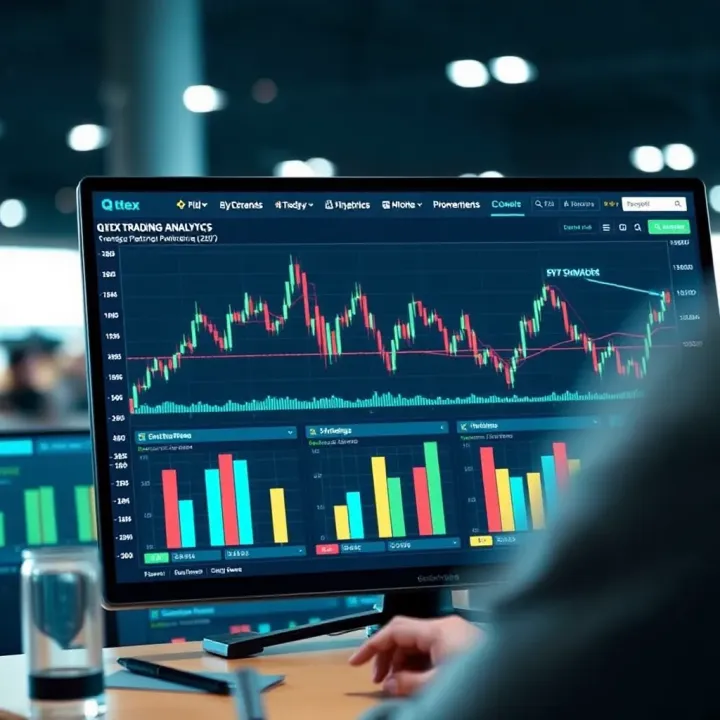
Explore Qutex trading basics & features 📈, learn methods & security 🔒, plus get practical tips for smart trading decisions in today's market.

📊 Explore QX trading essentials, tools, strategies, risks & regulations. Get practical tips tailored for traders in India's dynamic market landscape.
Based on 10 reviews