
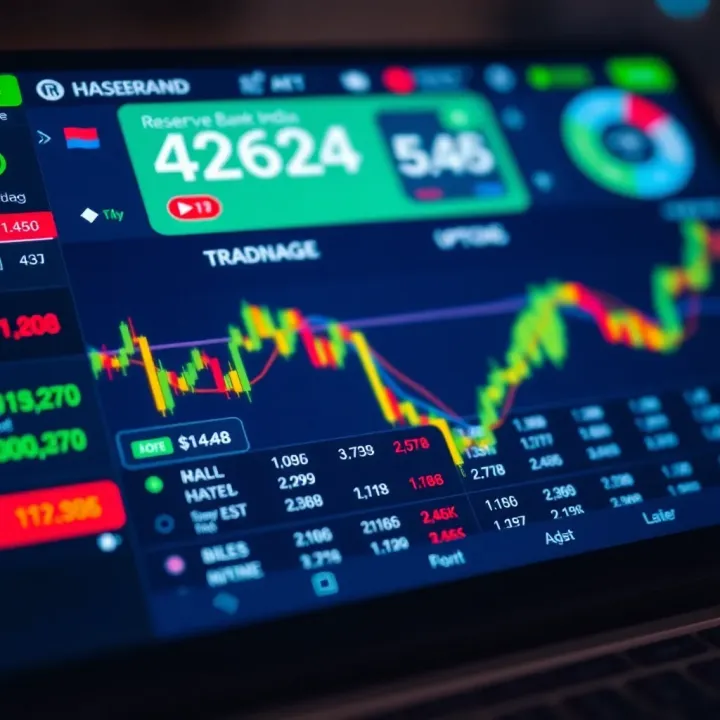
RBI-Approved Forex Trading Apps in India
Explore RBI-authorized forex trading apps in India 🇮🇳. Learn how to pick legal platforms, understand compliance, spot risks, and trade smartly with confidence.
Edited By
Amelia Foster
Forex trading is gaining momentum among investors and traders in India, and forex apps have become indispensable tools for accessing global currency markets. These mobile applications provide real-time exchange rates, advanced charting tools, and swift trading capabilities, all wrapped in an easy-to-use interface.
Choosing the right forex app involves more than just picking the most popular one. You need to consider functionality, security, regulatory compliance, and the support offered. For instance, apps like Zerodha Kite, Upstox Pro, and Angel Broking allow currency trading through their platforms with integrated market data and analysis.
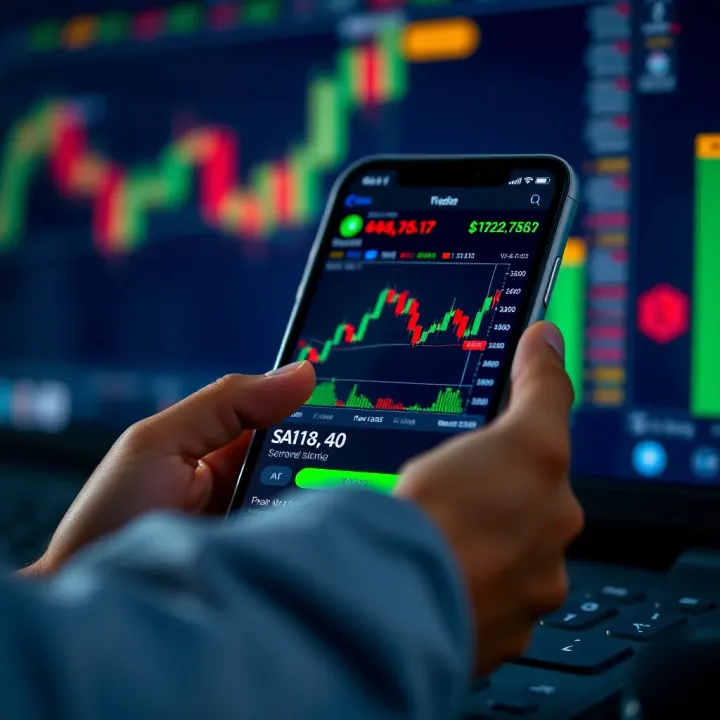
Selecting a forex app tailored to your trading needs can improve efficiency and reduce risks associated with currency volatility.
Key factors to check before installing a forex app include:
User Interface and Experience: A clutter-free, responsive design helps in quick decision-making during high volatility.
Real-Time Market Data: Accurate and timely forex quotes are essential for effective trading.
Order Execution Speed: Delays can cause missed opportunities or losses in fast-moving currency pairs.
Security Features: Look for two-factor authentication and data encryption to protect your investments.
Regulatory Compliance: Ensure the app complies with RBI rules and SEBI guidelines to avoid legal complications.
Customer Support: Effective and accessible support can be crucial during technical issues or trading concerns.
With these points in mind, traders can narrow down choices that align with their investment style and risk tolerance. Whether you are a day trader or a long-term investor, the right forex app enables you to monitor currency markets simply and securely from your mobile device.
In the next sections, we will explore specific features to look for, security best practices, and tips to make the most of forex apps for currency trading in India.
Forex apps have rapidly changed how traders approach currency markets, especially in India. They bring global forex trading right to your mobile device, offering crucial tools that were once accessible only on desktop platforms. Understanding what forex apps do and why they matter helps traders make informed choices suited to their trading style and goals.
Forex apps provide live updates on currency exchange rates, reflecting market changes as they happen. For an Indian trader keeping an eye on USD/INR or EUR/INR pairs, having this real-time data is vital to spot profitable entry or exit points. The charts in these apps show trends and price movements, allowing traders to analyse patterns without delay.
These apps allow users to place buy or sell orders from their phones anytime and anywhere. For instance, if the Rupee suddenly strengthens against the Dollar, a trader can act immediately by placing an order before the rate shifts again. Fast order execution ensures traders don’t miss opportunities, especially during volatile market hours.
Forex markets react heavily to economic events, policy changes, and geopolitical happenings. Forex apps often provide integrated news feeds so traders stay informed about RBI announcements, trade deals, or international developments. This helps Indian traders anticipate market movements rather than reacting blindly.
The biggest draw of forex apps lies in their convenience. Traders no longer need to be tied to desktops or laptops; they can monitor market changes and trade from Bangalore traffic jams or queues at a petrol pump. This mobility suits the fast lifestyle of Indian investors.
With instant notifications and efficient interfaces, forex apps cut down delay in decision-making. Unlike traditional platforms that may require logging into multiple systems, the app condenses all key features in one place. For example, when a sudden RBI interest rate tweak occurs, you get updates and can act immediately.
Forex apps simplify complex trading processes, making them accessible to retail traders without deep technical skills. Features like one-click order placement, easy fund transfers via UPI integration, and intuitive charts reduce the learning curve. This convenience encourages participation by a wider segment of Indian investors.
In short, forex apps are not just tools; they’re gateways that bring efficiency, speed, and accessibility to currency trading, adapting the global forex environment to the realities of Indian traders.
By knowing these roles clearly, you can better evaluate app features and choose one that handles real-time data, quick exchanges, and relevant market news effectively. This foundation eventually helps in growing your forex trading success in India.
Selecting the right forex app is critical for efficient currency trading, especially in a market as fast-moving as forex. A good app should pack several essential features that aid both novice and experienced traders in making informed decisions quickly. These features not only improve usability but also protect your investments and ensure compliance with Indian regulations.
Forex trading can be overwhelming for beginners due to the complex data involved. A straightforward, uncluttered layout helps new traders focus on key information such as currency pairs, real-time rates, and order options without getting lost in unnecessary menus. For instance, an app like Zerodha’s Kite offers a clean interface that displays essential data clearly, making it easier for newcomers to start trading without confusion.

Experienced traders often juggle multiple currency pairs and monitor several technical indicators at once. Customisable dashboards allow users to arrange widgets or sections according to their preferences, keeping the most important charts and stats at their fingertips. This flexibility boosts efficiency, so you can quickly switch between analysis and order placement without missing market moves.
Effective forex trading hinges on analysing charts and price patterns. Built-in charting tools with multiple timeframes and popular indicators like RSI, MACD, and Bollinger Bands empower traders to spot trends and entry points. Apps such as MetaTrader 4 provide these tools, enabling deep technical analysis on mobile itself, which is indispensable when you’re away from your desktop.
Currency values respond heavily to economic events like RBI announcements, GDP data, or inflation reports. An integrated economic calendar shows upcoming events and their expected impact, helping traders anticipate volatility spikes. For example, having the RBI’s policy meeting dates flagged in the app avoids unexpected losses from sudden market swings.
Some apps offer automated trading or ‘robo’ features where predefined strategies execute trades without manual input. This helps traders stick to their plans, especially during volatile markets or when they can’t monitor the app constantly. Although such features need careful configuration, they save time and reduce emotional decisions.
Forex apps handle sensitive personal and financial data, so they must use strong encryption to keep information safe during transmission and storage. Without this, your login details or transaction history could be exposed, leading to potential fraud. Reputed Indian apps typically follow industry-standard encryption protocols to protect users.
Forex trading in India is regulated by the Reserve Bank of India (RBI) and Securities and Exchange Board of India (SEBI). Using apps that comply with these regulations ensures your trades are legal and funds are secure. Avoid apps that operate outside this regulatory framework to prevent issues like blocked transactions or legal penalties.
Adding an extra layer of security, two-factor authentication (2FA) requires you to verify your identity through a second method, like an OTP (one-time password) sent to your mobile. This reduces the risk of unauthorised access even if your password is compromised. Most reliable forex trading apps in India offer 2FA as a default security measure.
Choosing an app with solid user interface, rich technical tools, and strong security safeguards lays the foundation for successful forex trading in India. These features work together to help you navigate the markets confidently and protect your investments.
For currency traders in India, choosing the right forex app can make all the difference in managing trades efficiently and staying updated with market movements. Popular apps tailored for Indian users often understand local trading habits, regulatory requirements, and financial systems better than generic international options. They bring practical benefits like localized language support, INR-based transactions, and compliance with Indian laws.
Domestic forex platforms offer several advantages for Indian traders. For starters, these apps comply fully with regulations set by the Reserve Bank of India (RBI) and Securities and Exchange Board of India (SEBI), reducing compliance risks that may emerge with foreign platforms. Indian brokers like Zerodha and ICICI Direct have integrated currency trading options into their already popular platforms, offering a familiar environment for users who trade stocks or mutual funds too.
Moreover, many Indian forex apps provide competitive spreads and transparent fees suited for domestic market conditions. Traders also benefit from customer support that understands Indian market timings and language preferences, which eases troubleshooting and learning curves.
Integration with other Indian financial services further enhances user experience. Forex apps from Indian firms usually link smoothly with UPI-based payment systems, allowing instant fund transfers without juggling multiple apps. They also often synchronise with PAN card and Aadhaar-based KYC processes, streamlining account set-up and regulatory compliance. This integration proves essential for hassle-free tax reporting and adherence to norms like the Foreign Exchange Management Act (FEMA).
While many global forex apps are accessible from India, selecting the right overseas platform requires care. Traders should prioritise apps offering INR accounts or easy currency conversions to avoid hidden costs. Platforms like MetaTrader and IG provide extensive currency pairs and advanced tools but may lack Indian-specific features like UPI integration or local tax compliance assistance.
One major challenge with global platforms is regulatory oversight. Since these apps operate under foreign jurisdictions, Indian traders might encounter hurdles in seeking redress or ensuring data privacy. Moreover, some platforms might not allow direct INR deposits or withdrawals, leading to currency conversion delays and additional charges.
Understanding these limitations helps Indian traders choose apps that balance global reach with local convenience and legal safety.
In summary, Indian forex apps provide the comfort of knowing the platform respects local rules and integrates well with domestic financial systems. International apps shine with broader instrument variety but need cautious evaluation to ensure they fit Indian requirements.
Choosing the right forex app can make or break your trading experience. Different apps cater to distinct trading styles, offer various fee structures, and support diverse user needs. Picking one that fits your strategy and requirements helps avoid unnecessary costs, improves trading efficiency, and ensures you get timely support when needed.
Short-term traders, such as scalpers or day traders, need apps that provide lightning-fast order execution, real-time data, and advanced charting tools. For instance, quick access to stop-loss orders and spread monitoring can help them manage tight margins. On the other hand, long-term traders focus more on fundamental analysis and less frequent trades, so they may prefer apps with rich news feeds, economic calendars, and robust portfolio tracking.
Having said that, the kind of currency pairs you trade also matters. If you mostly trade major pairs with high liquidity, speed becomes more important. For exotic pairs or carry trades held longer, in-depth analysis tools may take precedence. Clarifying your goals upfront avoids cluttering your app with unnecessary features.
Beginners require apps that simplify the complex world of forex trading. User-friendly interfaces, tutorial videos, demo accounts, and guided trading help them grasp basics safely. For example, apps like Zerodha Kite or Upstox offer intuitive interfaces suitable for novices.
Experienced traders, however, demand more control and customisation. They look for advanced chart patterns, indicators, algorithm integration, and access to margin or leverage options. They also expect faster, more reliable platforms to execute complex strategies swiftly. So, an app like MetaTrader 4 or 5 might suit seasoned traders better.
The cost of trading influences profitability directly. Some apps charge low or zero commissions but make up with wider spreads, while others offer tight spreads but charge a commission per trade. As a trader, evaluate both parts carefully. For example, an app might show zero commission but have spreads double that of rivals, eroding your gains.
Also, watch out for hidden charges like withdrawal fees, inactivity charges, or real-time data access fees. Check if the app provides clear disclosure of all costs to avoid surprises.
Quick, helpful customer support can save you from serious losses. Look for apps that offer multiple support channels such as phone, email, chat, and even WhatsApp support, given the popularity of messaging apps in India.
Moreover, consider the support timings. Forex markets run 24/5, so a support team available during trading hours across Indian Standard Time (IST) is valuable. Being stuck with a technical glitch or trade execution problem without support can be costly.
Some forex apps go beyond trading by offering educational content. This means beginner guides, webinars, market analysis, and even community forums. Such resources help sharpen your skills while using the same platform.
For instance, apps like ICICI Direct or Sharekhan provide market insights and tutorials in addition to trading tools. Access to learning material reduces dependency on external resources, letting you trade more confidently within the app environment.
Investing time in matching your forex app to your style, budget, and support expectations is a practical step that enhances your trading journey, saving both money and potential headaches along the way.
Using forex apps brings convenience but also demands careful attention to safety and smart trading habits. Following best practices helps protect your funds, minimise risks, and improve your trading results.
Using stop-loss and limit orders is crucial for risk management. A stop-loss order will automatically exit a trade if the price falls below a specified level, limiting your losses if the market moves against you. For example, if you buy USD/INR at ₹75 and place a stop-loss at ₹74, your position will close when the rate dips to ₹74, preventing further loss.
Limit orders let you set a target price at which the trade will automatically close to secure profits. This prevents emotional decisions during volatile market moves. Together, these tools help you control risk even when you are away from your phone.
Avoiding overtrading on mobile is equally important. Forex apps make it tempting to trade frequently, sometimes impulsively. But too many trades increase transaction costs and exposure to sudden loss. Stick to your trading plan and avoid chasing every market move. For instance, a trader placing numerous small trades based on nightly WhatsApp tips often ends up losing more in spreads and fees.
It’s better to focus on quality setups rather than quantity. Turning off push notifications during non-trading hours can help cut down distractions.
Protecting login credentials is your first line of defence. Use strong, unique passwords for your forex app accounts and avoid sharing login details. Enabling two-factor authentication (2FA) adds an extra layer, making unauthorised access difficult. For example, ICICI Bank’s forex platform supports 2FA via SMS or an authenticator app.
Regularly updating the app is critical. Developers release updates that fix bugs, patch security flaws, and improve performance. Running outdated versions exposes you to risks from known vulnerabilities. Make a habit of checking the app store for updates and installing them promptly.
Recognising phishing and scams keeps your funds safe. Fraudsters often impersonate brokers or apps via emails or messages requesting personal or banking details. Always verify official communication channels. Genuine apps or brokers never ask for passwords or OTPs through phone or email.
If you get suspicious messages claiming huge profits or insider tips, treat them cautiously. Never click links from unknown sources. Your vigilance can prevent falling prey to costly fraud.
Good trading is not just about picking the right currency pair but also managing risks and security effectively. Always trade responsibly and safeguard your information.
These practices form a solid foundation for trading forex on mobile apps safely in India. Remember, protecting your data and controlling risk are as important as spotting good trades.
Explore RBI-authorized forex trading apps in India 🇮🇳. Learn how to pick legal platforms, understand compliance, spot risks, and trade smartly with confidence.

📱 Discover how to spot RBI-approved forex trading apps 🇮🇳, understand India's regulation framework, and avoid risks of unapproved platforms safely.
Explore RBI approved forex trading apps in India 🇮🇳, learn legal tips⚖️, app features📱, risk management📉, and how to trade safely within RBI rules.
📱 Explore real trade apps tailored for India! Learn key features, security tips, and how to pick the best platform for your trading goals effectively.
Based on 13 reviews