
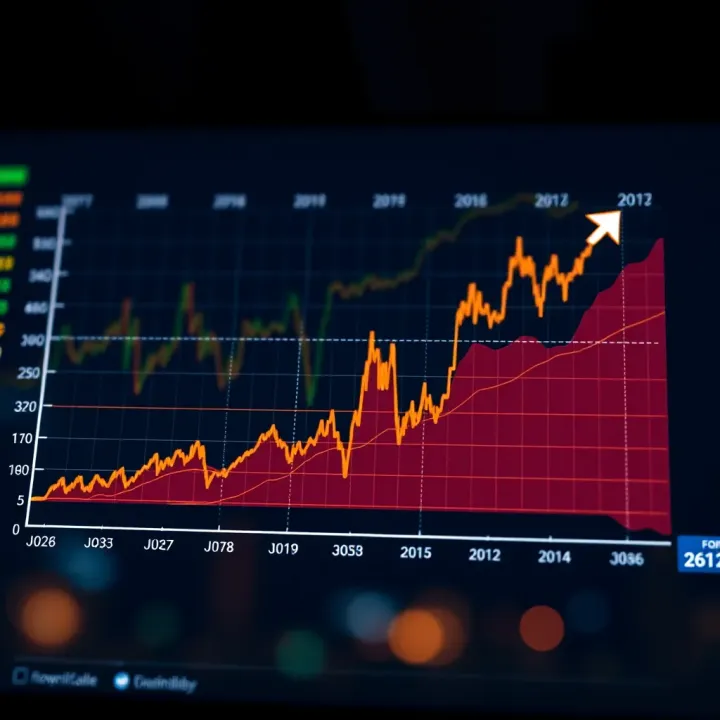
RCom Share Price Forecast 2030: Detailed Review
📈 Explore a detailed outlook on RCom share price till 2030, evaluating market trends, financial health, and expert insights to guide your investments wisely.
Edited By
Amelia Foster
Currency markets are notoriously tricky to predict, yet a well-informed forecast can guide traders and investors through the coming days with more confidence. Over the next seven days, the euro to Indian rupee (INR) exchange rate is expected to fluctuate within a specific range influenced by several key factors.
Understanding these drivers will help you anticipate market moves, optimise forex transactions, and manage exposure effectively.

The euro has recently felt the impact of European Central Bank (ECB) monetary policy shifts and geopolitical tensions in Eastern Europe, while the INR remains sensitive to domestic economic data such as inflation trends and foreign investment flows. For example, any unexpected hawkish signals from ECB could strengthen the euro against the rupee in the short term, making imports from Europe costlier for Indian businesses.
On the other hand, stronger-than-expected GDP figures or foreign direct investment inflows may bolster the rupee and create downward pressure on the EUR/INR pair. Currency traders paying attention to oil price movements should also note that rising crude costs often weaken the rupee due to India's reliance on imports.
Forecasting near-term currency moves involves combining technical analysis with an eye on global and local economic indicators to navigate sudden shifts.
Broadly, the euro to INR rate is likely to remain range-bound between ₹88 and ₹90, with spikes triggered by news events such as ECB rate decisions or RBI monetary announcements. Traders should watch for volatility around European and Indian economic releases scheduled this week.
Key points to keep in mind:
Monitor ECB statements and inflation data from the Eurozone.
Watch RBI policy decisions and India’s inflation reports.
Track global crude oil prices and their impact on INR.
Follow foreign portfolio investment trends into Indian markets.
Use technical support and resistance levels to plan entry and exit points.
By focusing on these practical signals, businesses can better time their forex orders, while traders can capitalise on short-term swings without exposure to unnecessary risks. This approach avoids guesswork and helps make currency dealings more systematic and data-driven.
Currency markets rarely move randomly; current trends provide valuable clues about the near-term direction of the euro to INR exchange rate. Understanding these trends helps traders and investors better anticipate movements and make informed decisions. This section breaks down recent currency moves, market sentiment, and crucial economic data shaping the cross-rate.
Over the past few weeks, the euro has experienced fluctuating momentum against the Indian rupee, swinging between ₹87.50 and ₹89.00. This range reflects cautious optimism among European markets coupled with periodic demand for safer assets. For example, the euro strengthened briefly after positive German industrial production figures but retreated during bouts of risk-off sentiment triggered by geopolitical tensions.
In contrast, the Indian rupee has shown relative steadiness even as global volatility increased. Factors like sustained foreign direct investment inflows and steady remittances have supported the rupee. However, intermittent pressure from rising crude oil prices, which hit ₹8,700 per barrel recently, puts some strain on the INR, given India's import dependency.
Investor sentiment plays a big role in short-term exchange direction. Global risk appetite tends to lift the rupee as investors seek higher returns in emerging markets. When geopolitical worries or global growth concerns rise, funds often flee to the euro or US dollar as safe-havens. Thus, shifts in risk perception affect the euro-INR pair dynamically.
Key economic data from both the Eurozone and India heavily influence currency behaviour. The Eurozone’s recent inflation figures showed a slowdown to 5.5% year-on-year, easing pressure on the European Central Bank (ECB) to hike rates aggressively. Coupled with a GDP growth forecast of around 1.2% for this quarter, this reduces expectations for sharp monetary tightening, tending to cap euro strength.
On the Indian side, macroeconomic indicators such as industrial output growth of 4% in January and retail inflation hovering near the RBI’s 6% target directly impact the rupee's performance. Strong economic growth signals stability, encouraging capital inflows. But inflationary pressures could prompt the RBI to maintain or raise interest rates, which supports the rupee against other currencies.
Paying close attention to inflation and GDP updates from both regions can provide useful signals on policy shifts that immediately affect currency fluctuations.
In sum, tracking recent exchange movements and economic indicators offers traders a clearer view on what might drive the euro to INR rate in the coming days. Being alert to these trends allows for smarter positioning in the forex market while managing risks effectively.

Understanding the key drivers behind short-term movements in the euro to Indian rupee (INR) exchange rate is essential for traders, investors, and analysts. These drivers explain why currency values fluctuate daily and help anticipate potential changes. For example, a sudden change in interest rates or geopolitical tensions can quickly alter the euro-INR pair, affecting importers, exporters, and forex market players.
Central banks play a direct role in shaping currency values through their monetary policy decisions. The European Central Bank (ECB) sets interest rates and guides market expectations about economic health in the Eurozone. If the ECB signals a rate hike to curb inflation, the euro tends to strengthen against other currencies, including the INR. For instance, last year’s unexpected ECB rate hike led to an immediate rally in the euro, impacting trade costs for Indian businesses engaged with Europe.
The Reserve Bank of India (RBI) also influences the INR through its policy stance and interventions in the forex market. When the RBI tightens liquidity or adjusts its repo rate, it affects domestic currency demand. For example, if the RBI increases rates to control inflation, the INR might appreciate, making the euro cheaper for Indian importers. Conversely, RBI’s forex market interventions, such as selling dollars or euros, can help stabilise INR volatility during turbulent periods.
Geopolitical developments in Europe can swiftly impact euro strength. Political instability, sanctions, or conflict in key Eurozone countries tends to weaken the euro as investors seek safer assets. During times like the Ukraine-Russia conflict, the euro saw sharp fluctuations, which made currency forecasting challenging for Indian traders.
On the flip side, India’s trade ties with Europe play a vital role in shaping demand for euros and INR. Increased exports to the Eurozone boost euro inflows, potentially supporting the euro against INR. For example, India’s expanding pharmaceutical and IT services exports to Europe have raised demand for euros, influencing short-term exchange rates. Conversely, import surges from Europe, such as machinery or luxury goods, increase INR outflows, which can weaken the rupee.
Monitoring these drivers—central bank decisions, geopolitical news, and trade flows—offers practical insights for those engaged in forex trading or cross-border business. Being aware helps in making informed decisions and managing currency risk effectively.
In brief, the interplay of monetary policies and geopolitical factors shapes daily swings in the euro-INR exchange rate. Traders and investors should track ECB and RBI policy announcements closely, along with geopolitical developments and trade data, to anticipate near-term currency moves.
Understanding the euro to INR forecast for the coming week helps traders and investors manage their positions and plan currency dealings better. Forecasts offer a snapshot of expected price ranges and volatility, so you can anticipate market moves and reduce unpleasant surprises. Given how global and domestic events can quickly sway exchange rates, keeping an eye on near-term outlooks allows you to react promptly.
Analysts usually provide estimated trading ranges for the euro to INR rate based on recent trends and economic data. For example, they might expect the euro to trade between ₹89.50 and ₹91.00 over the next seven days. These ranges help set realistic price expectations and prepare for possible ups and downs.
Volatility in this pair often spikes during weeks when fresh data or geopolitical developments emerge. Factors like RBI’s rate announcements, ECB updates, or sudden shifts in India-Europe trade talks can cause sharp swings. For businesses scheduling payments or investors hedging currency risk, knowing about potential volatility guides decisions on timing and risk management.
Scheduled economic data releases significantly impact the forecast. For instance, if inflation data from the eurozone or GDP updates from India are due, these will influence the euro-INR movement. Traders pay close attention since better-than-expected numbers can strengthen respective currencies, altering market direction.
Besides data, global events like geopolitical tensions or policy hints from central banks also matter. For example, if the ECB signals a hawkish stance amid European uncertainties, the euro may gain strength, affecting the INR exchange. By tracking such market reactions, investors stay ahead and can adjust their strategies accordingly.
Keeping a close watch on the expected trading range and critical indicators helps you act proactively, whether for trading profits or safeguarding financial plans against sudden market moves.
Understanding how the euro to Indian rupee (INR) exchange rate might move over the next seven days is vital for both businesses and individuals involved in forex transactions. Practical advice helps make informed decisions, reduce financial risks, and optimise the timing of currency conversions, which can significantly affect costs and returns.
Timing import-export payments and remittances play a critical role in managing foreign exchange costs. For example, a company importing goods from the Eurozone might save thousands of rupees by paying when the euro is at a favourable rate against the INR. Individuals sending money to family in Europe or receiving payments can also benefit by choosing to transact when the currency rates peak in their favour.
A sharp change in the euro to INR rate within a few days can impact profit margins or the value of remittances. Using short-term forecasts allows these stakeholders to avoid unnecessary losses from sudden rate fluctuations and plan payment schedules accordingly.
Managing currency risk with hedging options adds another layer of protection. Hedging tools like forward contracts, options, or forex swaps can lock in exchange rates today for future transactions. This approach helps businesses avoid surprise costs if the INR weakens against the euro unexpectedly.
Take, for instance, an exporter in India who expects payments in euros three months down the line. Locking in the current exchange rate through a forward contract can make revenues more predictable despite market swings. While hedging involves some costs, it often outweighs risks tied to volatile currency movements.
Currency apps and websites popular in India offer immediate access to current forex rates and trends. Platforms like XE, Investing.com, or even banking apps from SBI and HDFC provide real-time quotations for the euro to INR pair. Having these at hand helps traders and financial analysts keep an eye on intraday swings and plan transactions actively.
Mobile notifications about rate alerts can ensure that users do not miss favourable rate windows, especially during periods of expected volatility. For retail investors or businesses without dedicated forex teams, these tech tools are practical and cost-effective.
Consulting forex experts and official channels is equally valuable, especially for large transactions or when market conditions become complicated. Professionals can offer tailored advice based on current and expected macroeconomic data or geopolitical developments.
Formal sources like Reserve Bank of India (RBI) announcements or analysis from SEBI-registered market experts bring credibility and deeper insight. Since forex markets react quickly to policy shifts or economic data, aligning with expert guidance can help anticipate trends better than relying solely on automated tools.
For businesses and individuals dealing with euro-INR conversions, combining forecast insights with effective tools and expert advice helps manage risk and capitalise on favourable exchange rate movements. This balanced approach ensures better financial outcomes amid forex uncertainties.
Understanding factors that could alter the euro to INR exchange rate beyond the next seven days helps traders, investors, and financial analysts prepare for unexpected shifts. These elements often extend their influence past short-term market movements, shaping medium- and long-term currency dynamics. Keeping an eye on such variables can help in adjusting strategies and managing risks more effectively.
Potential shocks from geopolitical crises can quickly rattle currency markets. For example, a sudden escalation in tensions within the European Union, such as disputes over energy supplies or conflicts affecting trade routes, could pressure the euro. Similarly, any political unrest or natural disasters in India could disrupt economic activity, weighing on the rupee. These shocks often result in heightened volatility as investors scramble for safer assets, causing abrupt moves in exchange rates.
For instance, during the Ukraine-Russia conflict, the euro experienced bouts of weakness due to concerns over European energy dependence and sanctions. On the other side, any unexpected deterioration in Indian diplomatic relations or large-scale domestic protests could unsettle the rupee. Traders should watch for breaking news and maintain flexible positions to navigate such uncertainties.
Sudden policy shifts within India or Europe also influence the euro-INR pair beyond a week. Consider an unexpected change in the Reserve Bank of India's interest rate or an unannounced fiscal stimulus from the European Commission – such moves can affect investor confidence and capital flows. For example, if the RBI decides to revise its monetary policy stance to counter inflation more aggressively, the rupee could strengthen due to higher yields attracting foreign investors.
Conversely, policy changes like tightening of capital controls or adjustments in trade tariffs may impact trade balances and currency demand. Participants engaging in cross-border trade or investment must track policy signals carefully to anticipate how these might tilt the forex scales in coming weeks.
Structural economic changes shape currency trends over months and years. In India, factors like ongoing digitalisation, improvements in infrastructure, and demographic shifts steadily bolster economic fundamentals, potentially supporting the rupee long-term. Meanwhile, the eurozone faces challenges including ageing populations and slower productivity growth that may dampen the euro’s long-term outlook.
For example, India’s push to upgrade manufacturing through the "Make in India" initiative might lead to sustained export growth and forex inflows, strengthening INR gradually. Analysts tracking the euro to INR rate should consider these structural drivers, as they underpin sustained trends beyond short spikes or dips.
Evolving trade and investment flows form another key area to watch. India’s expanding trade relations with Europe, especially in sectors like IT, pharmaceuticals, and engineering goods, influence demand for both currencies. Foreign direct investment (FDI) from European companies into Indian start-ups and infrastructure projects also plays a role.
Changes in trade agreements, tariffs, or bilateral cooperation can shift these flows, impacting currency supply and demand balance. For example, if India signs a new free trade agreement with the European Union or if tariff barriers ease, it could boost bilateral trade volumes, increasing euro transactions against INR. Thus, keeping tabs on trade developments helps forecast currency movements reliably beyond a week.
One must remember that while short-term forecasts guide immediate trades, awareness of these broader forces ensures readiness for surprises and strategy adjustments over longer horizons.
📈 Explore a detailed outlook on RCom share price till 2030, evaluating market trends, financial health, and expert insights to guide your investments wisely.

📈 Explore Reliance Industries Limited share price forecast for 2025. Get insights on company growth, market trends, and expert predictions for Indian investors.

📈 Explore Reliance Industries' target price outlook for 2030, analyzing key business segments, market trends, and strategic moves shaping its future growth.

📈 Explore factors shaping Reliance Industries' share price by 2040, including growth strategies, market shifts, and investor outlook in India’s economy.
Based on 9 reviews