
RBI-Approved Forex Trading Apps in India
Explore RBI-authorized forex trading apps in India 🇮🇳. Learn how to pick legal platforms, understand compliance, spot risks, and trade smartly with confidence.
Edited By
Amelia Foster
The forex market operates 24 hours a day across different time zones, making understanding session times crucial for traders and investors. These sessions refer to the opening and closing hours of major financial centres worldwide, such as London, New York, Tokyo, and Sydney. Each session brings distinct market characteristics, influenced by local trading activity, liquidity, and economic news releases.
For Indian traders, aligning trading strategies with these global sessions can affect the ability to capitalise on price movements and volatility. For instance, the London session typically sees high liquidity and sharp price swings, making it favourable for quick trades. In contrast, the Tokyo session might offer steadier, less volatile market conditions but still holds significant opportunities, especially during news events in Asia-Pacific.
Understanding forex session times helps you anticipate market conditions, plan entry and exit points more effectively, and manage risk based on predictable fluctuations in liquidity.
The key trading sessions include:
Tokyo Session: 6:30 am to 3:30 pm IST
London Session: 12:30 pm to 9:30 pm IST
New York Session: 5:30 pm to 2:30 am IST
Note how these hours overlap; the London-New York overlap (5:30 pm to 9:30 pm IST) often presents the highest trading volume and volatility. This overlap is particularly relevant for Indian traders looking to trade currency pairs involving USD, GBP, and the euro.
Tracking session changes due to daylight saving time (DST) in the US and Europe remains essential, as it shifts these windows by one hour, affecting India’s relative timing. Luckily, many trading platforms now provide tools that adjust session times automatically based on your location.
Grasping the nuances of forex session times allows you to better anticipate market moves and tailor your trading approach to periods of heightened activity. This knowledge helps maximise opportunities, reduce slippage, and improves timing for news-driven strategies.
Next, we will explore how liquidity and volatility specifically fluctuate across these sessions and what they mean for your trades.
Understanding forex trading sessions is essential because forex markets stay open 24 hours across various time zones. This round-the-clock operation divides into sessions based on major financial centres. Knowing these helps traders spot when liquidity peaks and when volatility may rise or dip.
Forex is a global market without a central exchange. Trades happen on platforms and over-the-counter, connecting banks, brokers, and traders worldwide. This decentralised setup means trading shifts as financial hubs open and close.
The trading day starts in the Asia-Pacific region, then moves to Europe, and finally to North America. Each region's activity forms a session — Asian, European, or North American — reflecting local business hours and financial market openings. This pattern supports continuous trading but with fluctuating intensity.
A key practical point is that brokers and platforms follow these sessions because market behaviour regularly changes with session shifts. For example, currency pairs involving the Japanese yen or Australian dollar generally show more activity during the Asian session.
Liquidity—the ease of buying or selling an asset without affecting its price—varies significantly across sessions. When sessions overlap, like the European and North American ones, liquidity peaks because many traders participate simultaneously. This creates better pricing and faster execution.
Lower liquidity times often correspond with thin trading volumes, leading to wider spreads and less favourable trading conditions. Traders must time their orders carefully, or they might face slippage or less predictable market moves.
The Asian session usually runs from 5:00 am to 2:00 pm IST, corresponding roughly with Tokyo, Singapore, and Hong Kong market hours. This session tends to feature steady but lower volatility compared to others. Currency pairs like USD/JPY and AUD/USD often see more action here.
Traders focusing on Asian markets or looking for steady trends find this session practical. Also, news from China or Japan released during this window can trigger notable moves.
The European session overlaps with Asian close and North American open, roughly 12:30 pm to 9:30 pm IST, centred around London and Frankfurt. This session is the most liquid and active, with increased volatility due to the concentration of financial institutions and economic data releases.
Pairs like EUR/USD, GBP/USD, and USD/CHF become more volatile, offering more trading opportunities. This session often brings trending markets or sharp reversals, requiring good risk management.
Active approximately from 7:30 pm to 4:30 am IST, reflecting New York and Chicago market hours, the North American session overlaps with the European session for a few hours. This overlap creates peak liquidity and volatility.
US economic indicators released early in this session can cause sudden market moves. Traders following major news and the US dollar closely prefer this timing.

The Pacific session mainly overlaps with the Asian session but starts earlier in New Zealand and Australia, from around 3:00 am to 12:00 pm IST. It's relatively quieter with lower liquidity but can see spikes during local news or commodity market movements.
Commodity currencies like the Australian dollar (AUD) and New Zealand dollar (NZD) react more during this session. Traders interested in these currencies or commodity-linked moves often monitor the Pacific session closely.
Knowing these sessions helps in planning trades according to when markets are most active. For example, trading EUR/USD will be more productive during the European session, while AUD/USD gains momentum during the Asian and Pacific sessions. This clarity prevents random trades during off-peak hours with poor liquidity.
Understanding how forex session times influence market behaviour is essential for traders aiming to optimise their strategies. Different sessions bring varying liquidity and volatility levels, directly impacting trade execution, spreads, and price movements. By recognising these patterns, traders can plan entries and exits more effectively, reducing risk and improving profitability.
Liquidity peaks typically occur when major sessions overlap, offering tighter spreads and smoother order execution. For example, the overlap between the London and New York sessions from 7:30 pm to 11:30 pm IST is the busiest. During this window, traders find ample buyers and sellers, especially for pairs like EUR/USD and GBP/USD, leading to better price stability and more trading opportunities.
This period is practical for Indian traders as the liquidity supports larger trade sizes and reduces slippage. It’s also when major economic data releases often occur, causing significant price action. Being active at these overlaps can help you catch meaningful moves while avoiding the erratic price swings of quieter hours.
Forex markets show increased volatility at the start of major sessions due to the influx of new orders reacting to overnight news and reports. For instance, the London session opening at 12:30 pm IST often experiences quick price fluctuations as traders respond to European economic updates or policy announcements.
Similarly, the New York session opening around 7:30 pm IST tends to bring sharp moves in the USD pairs. These volatility spikes can provide profitable trade setups but require caution as price swings can be swift and unpredictable. Many traders prefer using tight stop-losses here or trade smaller lot sizes until the market settles.
The periods between the close of the New York session and the start of the Asian session see notably thin liquidity and quieter price action. For Indian traders, this typically falls between 2:30 am and 4:30 am IST. During these hours, currency pairs often move sideways or exhibit minor trends due to low market participation.
Trading during these phases can be challenging — spreads tend to widen, and price moves can be erratic due to the lack of volume. It is usually advisable to avoid active trading during this time or focus on longer-term strategies till liquidity improves.
The Asian session concentrates mainly on currencies like the Japanese yen (JPY), Australian dollar (AUD), and New Zealand dollar (NZD). Traders see more movement in pairs such as USD/JPY, AUD/USD, and NZD/USD during this time.
For example, around 5:30 am to 2:30 pm IST, news from Japan or Australia can cause sudden moves. Indian traders focusing on this session benefit from trading these currency pairs, particularly if they follow regional economic updates closely.
The European session centres on major currencies including the euro (EUR), British pound (GBP), and Swiss franc (CHF). Pairs like EUR/USD, GBP/USD, and EUR/CHF exhibit notable activity between 12:30 pm and 9:30 pm IST.
Since the London market has a massive share of forex volume, the session tends to be the most liquid. Traders can exploit scalping or day trading strategies here due to frequent price swings, especially around economic announcements from the Eurozone and the UK.
The North American or New York session influences flows in USD pairs significantly. Key pairs during this 7:30 pm to 4:30 am IST window include USD/CAD, USD/CHF, and EUR/USD.
Market movers like US non-farm payrolls or Federal Reserve interest rate decisions often occur during this session, causing high volatility. Indian traders need to keep an eye on US market hours to align trades with news-driven trends, balancing risk and reward during these periods.
Knowing how session times shape liquidity, volatility, and currency pair dynamics helps traders pick the right moments to enter or exit the market, making trading more strategic and less guesswork.
Indian traders must understand forex session times in relation to Indian Standard Time (IST) to trade effectively. Forex markets operate globally, but their timings align with local business hours in key financial centres like London, New York, Tokyo, and Sydney. Mapping these sessions to IST helps Indian traders plan their activities, manage risks, and spot optimal trading windows.
The major forex sessions, converted to IST, roughly break down as:
Asian session: 5:30 am to 2:30 pm IST (Tokyo/Singapore/Hong Kong active hours)
European session: 12:30 pm to 9:30 pm IST (London open hours)
North American session: 6:30 pm to 3:30 am IST (New York open hours)
Knowing these timings enables Indian traders to catch the opening and closing phases, often times of higher volatility. For instance, the overlap between the European and North American sessions around 6:30 pm to 9:30 pm IST is when many currency pairs see plenty of movement and liquidity.
Daylight saving time (DST) adds complexity. While India does not follow DST, London and New York do, shifting their market hours by one hour seasonally. London’s session opens an hour earlier during British Summer Time, effectively starting at 11:30 am IST instead of 12:30 pm, lasting until 8:30 pm IST. Similarly, New York’s session timings change during US DST. This shift impacts session overlaps, currency pair volatility, and trade planning. Indian traders should update themselves on DST changes each year to avoid mismatches.
Several online tools and forex trading platforms provide real-time session clocks adjusted for IST and DST changes, helping traders stay aligned. Apps with live session indicators and calendars streamline tracking market hours without manual conversion errors, especially useful for day traders and those managing multiple sessions.
Choosing the right session depends on your trading style and currency focus. For example, swing traders focusing on USD/EUR or GBP/USD pairs might prefer the European and North American sessions, where these pairs are most active. Scalpers seeking high liquidity benefit from session overlaps, particularly the London-New York window.
The overlap between the Asian and European sessions between 12:30 pm and 2:30 pm IST also offers profitable moves but on more Asia-centric pairs like USD/JPY or AUD/USD. Knowing these overlaps helps traders maximise opportunities by targeting times when multiple markets trade simultaneously.
Personal schedules play a big role. Not everyone can trade late night during the North American session, which runs until early morning IST. Traders should match their availability with appropriate sessions or automate trades using stop-loss and take-profit orders when they can't monitor positions actively. Balancing rest and trading activity keeps decision-making sharp.
Aligning forex session times with your daily routine and strategy improves risk management and overall trading performance across India's time zone.
By keeping these session specifics and IST conversions in mind, Indian forex traders gain a practical edge to tune their trading approach precisely to market rhythms.
Managing forex trades with session times in mind can drastically improve results. The forex market's liquidity and volatility shift with each global session, so aligning trading activity accordingly helps capture opportunities and reduce risk. Indian traders, especially, benefit from monitoring sessions live in Indian Standard Time (IST) to fit trades into the most advantageous windows.
Focusing on sessions with higher activity: Major overlaps between sessions see the highest liquidity. For example, when European and North American markets overlap (3:30 pm to 8 pm IST), currency pairs like EUR/USD and GBP/USD tend to show sharp moves and tighter spreads. Trading during these windows increases the chance of executing orders at desired prices and benefits from more active price patterns.
During Asian sessions (early morning IST hours), pairs like USD/JPY and AUD/USD become more liquid, but activity is generally lower than overlaps. Thus, focusing on session overlaps can mean improved trade execution and more predictable market behaviour.
Adjusting trade sizes and risk based on session volatility: Volatility varies across sessions, which should guide position sizing and stops. When volatility spikes near session openings or overlaps, traders often reduce position size to manage risk as price swings can be sudden. Conversely, during quieter periods such as late Asian hours, smaller volatility might encourage slightly larger lots with tighter stops.
For instance, a trader might use 0.5 lot size during peak European session but reduce to 0.2 lot during low-activity periods, balancing potential profit against risk. Risk-adjusted trade management reduces drawdowns, especially when price gaps appear due to sudden news during session changes.
Adapting trading plans according to session characteristics: Each forex session has distinct behavioural traits influenced by regional economic data and market sentiment. European sessions can react sharply to Eurozone news releases around 11:30 am to 1:00 pm IST, while US sessions mirror American economic indicators posted later.
Traders should schedule analyses and order placements to correspond with expected session moves. For example, a breakout strategy for USD/INR might perform better during the US session overlap when volumes surge, rather than the early Asian session. Matching strategies with session traits improves consistency.
Mobile apps with session indicators: Many forex apps now show session times explicitly, sometimes highlighting current active markets with live colour updates. Apps like MetaTrader and Investing.com help traders in India keep track of when London, New York, Tokyo, or Sydney sessions open and close.
This instant awareness prevents missing key entry or exit points and fits well with Indian traders who often merge day jobs with trading. Notifications can be customised for session starts or overlaps, aiding time management.
Online forex session clocks and calendars: Dedicated websites offer session clocks converting times to various zones including IST. Traders can quickly glance to check which markets are live and plan trades accordingly.
These platforms often include economic calendars indicating key news releases aligned with each session. Knowing when, say, RBI policy announcements or US FOMC meetings overlap with session timings helps traders anticipate volatility spikes.
Broker platforms with session-based analytics: Many Indian and international brokers now provide integrated tools that track session volatility, active currency pairs, and trading volume in real time.
For example, Zerodha and ICICI Direct platforms offer charts with session highlights, enabling traders to spot when liquidity peaks or dips. Such session analytics simplify risk management and strategy adjustments without needing multiple external tools.
Tracking forex sessions and adapting your trading approach accordingly is a practical way to optimise opportunity and control risk—especially when juggling India’s timezone shifts and global market hours.
Understanding and using session times thoughtfully can make trading a more calculated, less stressful endeavour.
Explore RBI-authorized forex trading apps in India 🇮🇳. Learn how to pick legal platforms, understand compliance, spot risks, and trade smartly with confidence.
Discover insightful tips on RBI-authorized forex trading platforms in India 🇮🇳 to trade safely, understand compliance & pick legitimate options with confidence 💹
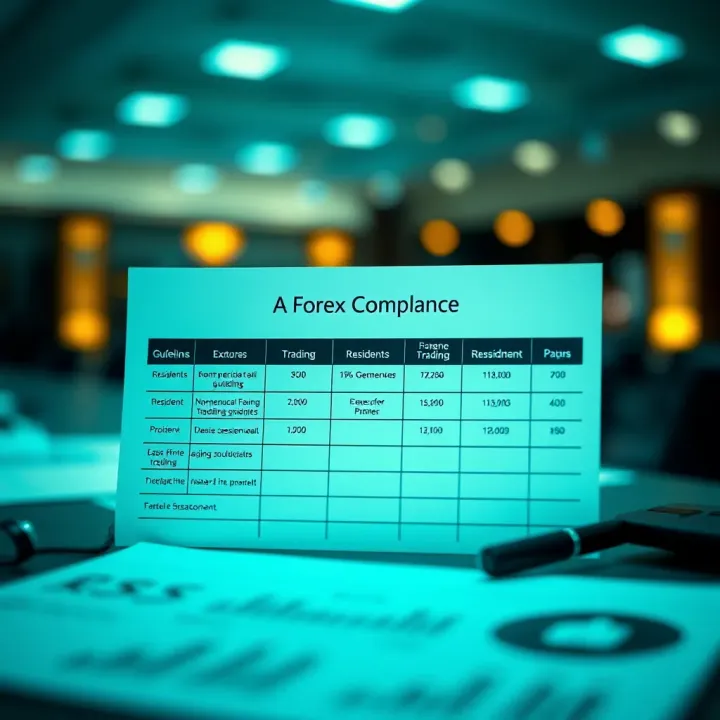
Explore RBI's detailed rules on legal forex trading in India 🇮🇳. Learn about allowed currencies, resident guidelines, and compliance essentials for safe trading💹.
Explore Quotex forex trading platform 🌐—features, account types, instruments, security, and tips for Indian traders to trade confidently and securely 📊💡.
Based on 13 reviews