
RCom Share Price Forecast 2030: Detailed Review
📈 Explore a detailed outlook on RCom share price till 2030, evaluating market trends, financial health, and expert insights to guide your investments wisely.
Edited By
Henry Wilson
Gold has always held a special place in Indian households and portfolios alike. As a traditional store of value and a hedge against inflation, the yellow metal's price movements often capture the attention of investors, traders, and financial analysts. Predicting gold prices almost a decade ahead—specifically for 2030—requires a close look at patterns, economic influences, and global trends shaping its future.
Over the past two decades, gold has seen its price fluctuate considerably due to a mix of geopolitical tensions, currency movements, inflation rates, and demand-supply dynamics. For instance, during the 2008 global financial crisis, gold prices surged as investors sought safe havens. Similarly, the COVID-19 pandemic triggered increased demand and price volatility, demonstrating gold’s role as a crisis commodity.
For Indian investors, factors such as the rupee-dollar exchange rate, import duties, and jewellery demand during festivals like Diwali and Dhanteras significantly affect gold prices domestically. The Reserve Bank of India's (RBI) monetary policy tweaks and macroeconomic indicators like inflation and GDP growth also contribute to price shifts.
Understanding these diverse influences can help stakeholders anticipate possible changes in the gold market by 2030.
Key drivers to observe include:
Global economic stability: Gold tends to rise when uncertainty prevails, including trade wars or financial crises.
Currency strength: A weakening US dollar typically supports gold prices internationally.
Inflation expectations: Investors flock to gold as protection against diminishing currency value.
Demand from India and China: As the top consumers, shifts in buying patterns here matter greatly.
In short, forecasting gold prices by 2030 involves integrating historical trends with emerging market signals. This awareness equips investors with a clearer picture to make informed decisions about positioning their portfolios in gold amid evolving global and Indian economic conditions.
Understanding historical patterns in gold prices helps investors and analysts anticipate future movements and make informed decisions. Past price trends reveal how gold reacts to various economic, geopolitical, and market forces, which remain relevant as these factors continue to influence prices. This knowledge also aids in identifying cycles and anomalies specific to gold, improving timing for buying or selling.
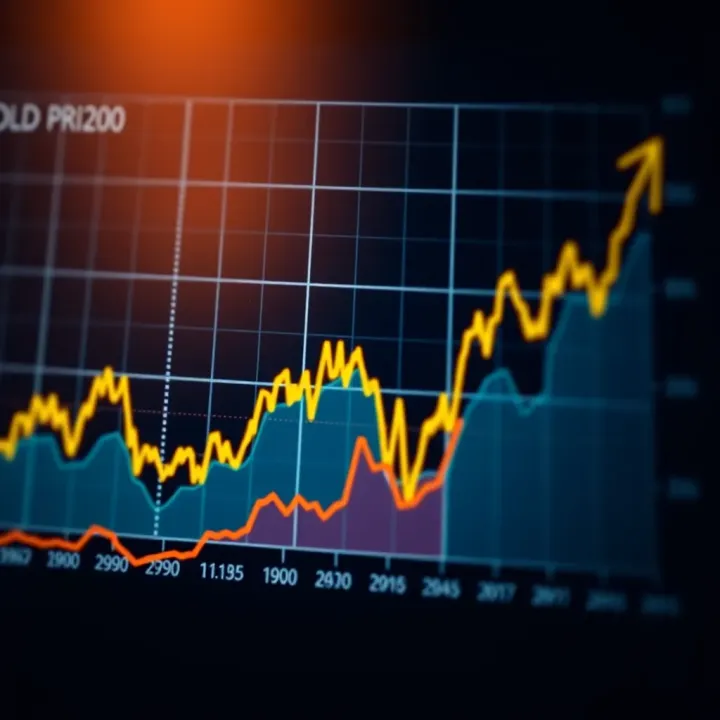
Global gold price fluctuations have been marked by considerable ups and downs, driven largely by shifts in currency values, inflation, and geopolitical events. For example, gold prices surged during the global financial crisis of 2008-09, reaching over $1,900 per ounce in 2011 as investors sought safe havens. Following that peak, prices retraced but remained relatively stable between $1,200 and $1,400 for several years. More recently, the COVID-19 pandemic pushed prices to new highs near $2,000 in 2020, reflecting uncertainty and rapid fiscal stimulus worldwide.
Recognising this volatility is practical for investors: it underscores gold's role as a hedge against uncertainty but also reminds that timing matters. Those who bought gold before the 2011 peak faced a prolonged period of sideways or falling prices, whereas 2020 buyers saw gains as the price spiked.
Key milestones affecting price changes include major economic shocks and policy shifts. The 2013 taper tantrum, when the US Federal Reserve hinted at reducing bond-buying, sent gold prices sharply down as liquidity conditions tightened. Similarly, the US-China trade war starting in 2018 nudged up prices amid heightened risk. Central banks increasing their gold reserves, especially countries like Russia and China, also influence global supply-demand dynamics and price direction.
These milestones demonstrate that gold is sensitive to central bank moves and geopolitical tensions, which help investors track when to expect price movements or safe-haven rallies.
Impact of Indian demand on prices remains significant since India is the world's second-largest consumer of gold after China. Cultural and festival seasons like Diwali and Akshaya Tritiya boost demand sharply, usually pushing domestic prices up. Unlike pure investment demand seen abroad, Indian purchases heavily include jewellery, which is also influenced by local income levels, rural spending, and import duties. For instance, the demonetisation episode in 2016 temporarily subdued gold buying but saw a rebound later as cash flow improved.
This demand pattern matters practically in forecasting because Indian market behaviour can cause price divergences from global trends, especially if import policies or local consumer sentiment changes.
Comparison with international benchmarks shows that Indian gold prices generally track global rates closely but include premiums due to import taxes, making Indian prices higher by about 5-7% over the international reference. Currency fluctuations, particularly the rupee-dollar exchange rate, add volatility to domestic prices. For example, depreciation of the rupee against the dollar raises the local price even if international gold steadies.
For investors, monitoring both global benchmarks like the London Bullion Market Association (LBMA) spot prices and currency trends is crucial to understanding actual price behaviour within India.
Historical price insights form the backbone of effective gold investment strategies. They help decode complex market signals and prepare investors for potential risks and opportunities ahead.
Economic and geopolitical events have a significant impact on gold prices. Investors often regard gold as a safe haven during uncertain times, pushing demand and prices upward. Understanding these factors is vital for traders and analysts looking to predict gold’s trajectory by 2030.

Inflation trends in India and worldwide influence gold demand strongly. When inflation rises, especially in India, people tend to buy gold as a hedge against the eroding value of currency. For example, during periods of rising inflation in India, gold jewellery and investment sales often pick up. International inflation, particularly in major economies like the US and Europe, also affects gold since it affects purchasing power globally.
US dollar strength and its effect on gold play a crucial role. Gold is priced in US dollars internationally, so a strong dollar usually pushes gold prices down because it becomes more expensive for holders of other currencies. Conversely, a weaker dollar often drives gold prices up. For instance, in phases when the US dollar index fell in recent years, gold prices saw upward momentum, attracting Indian investors via platforms like MCX.
Interest rate policies and investor behaviour shape gold’s appeal as well. Rising interest rates tend to reduce gold's attractiveness because investors prefer assets with higher yields, such as bonds or fixed deposits. When the Reserve Bank of India (RBI) or the US Federal Reserve increases rates, short-term gold demand may ease. However, if rates rise due to inflation rather than economic strength, gold can still be buoyant as protection remains relevant.
Trade wars and political unrest add uncertainty to markets and usually boost gold’s safe-haven status. The US-China trade war, for instance, pushed gold prices higher as investors sought stability amid tariff announcements and fluctuating markets. In India, political instability or border tensions can create short-term spikes in gold buying due to increased risk perception.
Pandemics and economic shocks disrupt financial markets and often cause sudden jumps in gold demand. The Covid-19 pandemic is a recent example where gold prices surged as stock markets crashed and economic growth slowed. For Indian investors, this highlighted gold's role not just as a jewellery metal but as a critical portfolio asset during crises.
Central bank gold reserves and policies are other vital factors. Many central banks, including India’s, adjust their gold holdings as part of monetary policy or reserve diversification. Increases in such reserves can drive up demand and prices. For example, the RBI has steadily increased its gold stock in recent years to diversify reserves away from the US dollar, supporting domestic price levels.
Economic indicators and geopolitical events often dictate the swings in gold prices, making it essential for investors to watch these closely for informed decision-making.
Understanding these economic and geopolitical influences offers a practical edge to traders and investors as they navigate towards the year 2030, enabling smarter strategy building in the evolving gold market.
Technological progress and evolving market structures have significantly changed how gold is traded, especially in India. These innovations have made the gold market more accessible, transparent, and efficient, which is vital for investors looking ahead to 2030. Understanding this transformation helps traders and analysts gauge how gold prices may respond to new trading realities.
Digital gold allows investors in India to buy and hold gold online without physically storing it. Platforms like Paytm, PhonePe, and Amazon India have made purchasing digital gold as easy as buying other products. This convenience has led to substantial growth in digital gold investments, especially among younger investors who prefer paperless transactions. For example, during festive sales, many buyers prefer investing in digital gold rather than jewellery due to instant liquidity and lower transaction costs.
This shift impacts gold demand dynamics, possibly influencing price trends as more participants enter the market with smaller, flexible investments rather than bulk physical gold purchases.
Commodity exchanges such as the Multi Commodity Exchange (MCX) India play a crucial role in formalising gold trading through futures contracts. MCX offers a regulated platform where traders and investors can speculate or hedge against gold price changes. Its real-time pricing and standardized contracts help ensure better price discovery for Indian gold markets. For instance, during geopolitical tensions, MCX futures volumes typically spike as traders seek to cushion their positions.
MCX’s influence extends to shaping retail and institutional behaviour by providing transparent price signals and enabling risk management through derivatives.
Blockchain technology has been slowly introduced in gold certification processes to prevent fraud and enhance trust. By recording each step of gold's supply chain—from mining to retail—on an immutable ledger, blockchain ensures product authenticity. Companies like MMTC-PAMP in India have experimented with blockchain-enabled certificates, allowing buyers and investors to verify the origin and purity of their gold instantly.
Such transparency reduces concerns about counterfeit gold or adulterated bullion, encouraging more confident investment decisions, especially for digital gold buyers who never see the physical metal.
Technology-driven platforms aggregate trading data quickly, improving the accuracy and timeliness of gold price discovery. Algorithms and AI monitor global gold movements, currency fluctuations, and news events in real time, feeding into exchange prices. This mechanised price setting often reflects the most updated market sentiment, unlike traditional processes that might lag.
In India, integrating technology with commodity exchanges ensures that gold prices respond swiftly to domestic demand shifts, monetary policy changes, or international uncertainties. For traders and analysts, this means prices are less prone to manipulation and more reflective of actual supply-demand dynamics.
Trust and speed in price formation are now fundamentally tied to how markets adopt advanced technology, making it a key factor in anticipating future gold price trends.
Overall, technological innovations and market mechanisms are reshaping gold trading in India, contributing directly to how gold prices may evolve by 2030. Staying updated with these trends helps investors make informed decisions amid changing market conditions.
Expert opinions shape the dialogue around gold prices, especially when it comes to long-term forecasts like those for 2030. These insights help investors interpret complex market signals and prepare their portfolios accordingly. By analysing financial experts’ views, you can gauge the potential price range of gold and understand the risks and opportunities ahead.
Financial analysts and institutions often provide consensus estimates for gold prices based on various models and market conditions. These price ranges consider global economic trends, geopolitical risks, and inflation expectations. For instance, several banks predict gold could trade between ₹60,000 and ₹90,000 per 10 grams by 2030, depending on inflation and currency movement. Such estimates guide investors to set realistic targets, rather than relying on guesswork.
Optimistic forecasts typically build on expectations of rising inflation, weakening currencies like the US dollar, and increased demand for safe havens amid geopolitical tensions. Conversely, cautious opinions highlight potential government interventions, higher interest rates, or alternative investment options pulling money away from gold. This contrast helps you balance optimism with pragmatism when deciding how much exposure to gold you want in your portfolio.
Jewellery demand in India strongly influences gold prices. Festivals like Diwali and weddings spike purchasing, which boosts demand seasonally. For example, the festival season in 2023 saw a 20% jump in gold sales compared to normal months. This consumer behaviour impacts local prices as jewellers raise rates anticipating higher footfall. Tracking these cyclical patterns can help investors plan their buying or selling times.
Alongside traditional buying, investment preferences among Indians are shifting. Younger investors increasingly favour digital gold and Sovereign Gold Bonds over physical jewellery, attracted by safety and liquidity. This change affects overall demand patterns and price movements. Understanding these evolving trends helps you anticipate how much India’s consumer market will influence gold prices going forward.
Expert opinions mixed with Indian market realities offer a more grounded picture of gold’s future price, helping you make better investment decisions with clearer expectations.
Investors looking towards gold in the run-up to 2030 need clear strategies to navigate its unique market dynamics. Gold remains a preferred asset for wealth preservation, especially during volatility, but how to invest and when requires careful thought. This section highlights practical approaches to assessing gold options and managing risks to align with financial goals.
Choosing between physical and digital gold depends on your comfort with ownership and convenience. Physical gold, like jewellery or coins, offers tangible assets that many Indians trust, especially during festivals or weddings. However, storing and insuring it can add extra cost and risk of theft. Digital gold bought through platforms like Paytm or Google Pay allows investors to buy small amounts without physical handling. It provides liquidity and ease but lacks the emotional and traditional value some investors seek.
Gold Exchange Traded Funds (ETFs) and mutual funds offer exposure to gold without physical storage worries. These traded on stock exchanges, provide liquidity, transparency, and often carry lower expense ratios compared to other options. Sovereign Gold Bonds (SGBs), issued by the Indian government, offer fixed interest and capital appreciation potential along with tax benefits on maturity. For example, investors who buy SGBs receive 2.5% interest annually in addition to gains from gold prices, making this a compelling option over physical gold for long-term holdings.
Gold often behaves differently from stocks or bonds. During equity market downturns, gold tends to hold value or even rise, providing a natural hedge. For instance, in turbulent periods like the 2020 pandemic onset, gold prices rose even as equities tumbled. Observing such correlations can guide investors about when to increase or reduce gold holdings to balance portfolio risks. But, gold's correlation with other assets isn't stable always, requiring periodic review.
In times of heightened market swings, adjusting the proportion of gold in a portfolio helps maintain stability. Typically, allocating 5-10% of the portfolio to gold cushions against rapid equity losses. However, this depends on individual risk appetite and investment horizon. Rebalancing ensures you lock profits from gold gains or reduce exposure if prices surge unusually. By doing so, you avoid overconcentration and maintain diversified growth.
Smart investors don't just buy gold for its shine, they blend it thoughtfully into their holdings for steady growth and protection.
Adopting these strategies in the context of potential gold price shifts towards 2030 allows well-informed decision-making tailored to India's unique market conditions. Understanding your options and timing enhances chances of hitting financial targets while managing risks effectively.
📈 Explore a detailed outlook on RCom share price till 2030, evaluating market trends, financial health, and expert insights to guide your investments wisely.
📈 Explore Reliance Industries' target price outlook for 2030, analyzing key business segments, market trends, and strategic moves shaping its future growth.
📈 Discover the long-term outlook for Reliance share price by 2030. Understand key growth drivers, risks, and expert views to guide your investments wisely.
📈 Explore Reliance Industries Limited's share price outlook for 2030, uncovering sector trends, strategic moves, expert predictions, and market risks.
Based on 7 reviews