

Understanding Range Markets in India
📉 Understand range markets where prices stay within bands, learn key strategies, tools, and risks for effective trading in India's stock market.
Edited By
James Holloway
Ethereum stands out as a leading blockchain platform that goes beyond just digital currency. While Bitcoin primarily focuses on peer-to-peer payments, Ethereum offers a programmable blockchain, allowing developers to create smart contracts—self-executing contracts with terms directly written into code.
This capability has paved the way for decentralised applications (DApps), which run on Ethereum’s blockchain without relying on a central authority. For traders and financial analysts, understanding Ethereum’s structure is vital, as it impacts the broader cryptocurrency ecosystem and emerging financial models like Decentralised Finance (DeFi).

Ethereum operates using its native cryptocurrency, Ether (ETH), which powers transactions and smart contract operations. Transactions on the network require ‘gas’ fees paid in ETH, which fluctuate based on network congestion.
Here are key points to grasp:
Smart Contracts: Automated agreements that reduce the need for intermediaries, increasing efficiency and lowering costs.
Decentralisation: Ethereum avoids control by any single entity, enhancing transparency and security.
Use Cases: Beyond currency transfers, applications include DeFi platforms, NFT marketplaces, supply chain tracking, and more.
Ethereum represents a shift from traditional centralised models to trustless, programmable agreements, creating fresh opportunities and challenges for investors and markets alike.
In India, where digital adoption is rising, Ethereum-based projects are gaining traction, particularly in fintech and blockchain innovation hubs like Bengaluru and Hyderabad. Familiarity with Ethereum’s tech foundations equips you to spot trends and risks amid a rapidly evolving crypto landscape.
Understanding Ethereum's foundation matters because it explains why this platform stands out in the world of blockchain technology. For investors and financial analysts, knowing its roots clarifies how Ethereum can influence the broader crypto market and its potential long-term value.
Ethereum was created to extend blockchain applications beyond simple currency transactions. This background helps traders assess its scope—Ethereum isn’t just digital money; it’s a platform powering decentralised activities.
Ethereum was first proposed in late 2013 by Vitalik Buterin, a programmer with prior experience in Bitcoin development. Unlike Bitcoin’s creator, who remains anonymous, Buterin openly led Ethereum's design and development. This transparency about the founder adds credibility for serious investors evaluating the platform.
The Ethereum project was officially launched in 2015 after a successful crowdfunding effort that raised about $18 million. This initial funding itself showed strong market interest, demonstrating early confidence from the cryptocommunity and institutional backers.
Ethereum aimed to create a decentralised platform where smart contracts and decentralised applications (dApps) could operate autonomously. This goal was more ambitious than Bitcoin’s original purpose, targeting automation and programmability rather than just peer-to-peer currency.
This vision means Ethereum is not limited to a single use case. For Indian investors, understanding this lets them appreciate how Ethereum might disrupt various sectors from finance to supply chain management, increasing its relevance beyond just a speculative asset.
While Bitcoin was designed as a digital alternative to traditional currency, focusing mainly on peer-to-peer value transfer, Ethereum set out to be a decentralised computing platform. That means Ethereum supports complex agreements and applications beyond money transfer, widening its use cases.
For financial analysts, this distinction clarifies why Ethereum’s price movements might react differently to market events compared to Bitcoin. Ethereum’s value partly depends on developer activity and adoption of dApps.
Bitcoin uses a relatively simple scripting language that limits programmability. Ethereum, on the other hand, supports Turing-complete programming languages, allowing developers to write more sophisticated, conditional contracts.
Additionally, while both operate on blockchain, Ethereum’s ledger stores not only transaction history but also the state of smart contracts. This capability lets Ethereum function as a global decentralised computer, which is a step ahead technologically. Traders should note this complexity may impact network performance and transaction costs, unlike Bitcoin’s more straightforward design.
Ethereum transformed blockchain from a digital currency into a versatile platform capable of running decentralised applications, opening new investment avenues beyond simple trading.
Understanding Ethereum's technical backbone is vital for investors and financial analysts looking to navigate its complex ecosystem. The technology enables Ethereum to function as a decentralised platform beyond just cryptocurrency, supporting smart contracts and decentralised applications (dApps) that have real-world financial and business implications.
Ethereum's ledger system is a distributed, immutable database that records every transaction and smart contract execution on its blockchain. Unlike traditional ledgers held by banks or companies, Ethereum's ledger is maintained by thousands of nodes globally, making it resistant to tampering or centralised failure. This decentralisation ensures transparency and security, crucial for applications like Decentralised Finance (DeFi) where trustless operations are the basis.
The network uses consensus mechanisms to validate transactions and add them to the blockchain. Initially relying on Proof of Work (PoW), Ethereum is shifting towards Proof of Stake (PoS) with the aim to reduce energy consumption and increase scalability. PoS allows validators to create blocks based on the amount of cryptocurrency they 'stake', offering faster transaction processing and lower costs—an essential consideration for traders and investors monitoring gas fees.

Smart contracts are self-executing contracts with coded rules that automatically enforce agreements without intermediaries. They allow for automating complex financial transactions, such as loans, insurance, or asset exchanges, which is why they're highly relevant for the financial sector. For example, an Indian startup could use a smart contract to automate payment release upon meeting certain shipment milestones, avoiding delays.
These contracts are primarily written in Solidity, a programming language specifically designed for Ethereum. Solidity is similar to JavaScript in syntax, making it accessible for developers. Other languages like Vyper also exist but are less commonly used. The choice of language affects the contract's security and complexity, impacting the reliability of dApps built atop Ethereum.
The Ethereum Virtual Machine acts as the run-time environment for smart contracts, executing the code exactly as programmed without any chance of downtime or censorship. This makes the network robust for decentralised applications, as the EVM ensures consistency across all nodes.
Crucially, the EVM enables a thriving ecosystem for dApp development since it provides developers with a standardised platform to write and deploy code that runs identically everywhere. This uniformity has led to a surge in innovations like DeFi protocols, decentralised exchanges, and NFT marketplaces—trends that investors should track closely for new opportunities.
The fusion of Ethereum’s ledger, consensus system, smart contracts, and EVM creates a resilient and dynamic environment that underpins a growing decentralised economy, especially significant for Indian markets where digital adoption is rapidly increasing.
By grasping these technical foundations, traders and analysts can better assess the platform’s strengths, limitations, and potential investments tied to Ethereum’s expanding ecosystem.
Ethereum stands out through several key features that define its value and functionality. Understanding these components helps traders, investors, and analysts grasp how the platform operates and where its potential lies, particularly in the fast-evolving crypto market.
Ether (ETH) is the native cryptocurrency of the Ethereum network. It acts as both a digital asset and the fuel that powers Ethereum's operations. Unlike Bitcoin, which is mostly a store of value, Ether plays an active role within the Ethereum ecosystem by enabling transactions and running applications.
Ether serves mainly to pay for computational services on Ethereum, such as deploying smart contracts or using decentralised applications (dApps). For investors, it’s not just a tradable asset but also a stake in the network's health. For instance, the value of ETH often reflects how actively developers and users engage with dApps and DeFi projects, which form a significant part of Ethereum's use case.
Decentralised applications operate on the Ethereum blockchain, running rules encoded as smart contracts. These dApps eliminate intermediaries by automating processes, making transactions transparent and tamper-proof. For example, a lending dApp can match borrowers and lenders directly without banks.
Several dApps have gained traction worldwide and in India. Platforms like Uniswap, a decentralised exchange for swapping tokens, and Compound, a lending platform, showcase real-world utility. Indian users are also engaging with NFT marketplaces built on Ethereum, reflecting growing interest in digital art and collectibles.
Gas is the fee required to execute operations on Ethereum. Each transaction or smart contract interaction consumes gas, measured in gwei (a fraction of Ether). This mechanism prevents network abuse by making users pay for computational resources.
Several factors affect gas fees, including network congestion and transaction complexity. When many users attempt to interact with Ethereum simultaneously—say, during a popular NFT drop—fees shoot up, incentivising users to wait or increase their gas price to prioritise transactions.
Understanding gas fees is vital for investors and traders, as high costs impact transaction profitability and timing.
By mastering these features, stakeholders can better navigate Ethereum’s ecosystem and make informed decisions in both trading and technology investments.
Ethereum’s applications extend far beyond simple cryptocurrency transactions, offering several practical solutions relevant for Indian industries and consumers alike. This section focuses on how Ethereum-based platforms are influencing financial services, supply chains, and digital entertainment within India's unique market landscape.
Decentralised finance (DeFi) leverages Ethereum’s smart contracts to enable financial services without intermediaries like banks. In India, DeFi platforms facilitate lending, borrowing, and asset trading directly between users. This reduces reliance on traditional institutions, offering faster, often cheaper transactions. For example, decentralised lending apps allow individuals and small businesses to access credit without collateral, something that is traditionally difficult in India’s formal banking system.
The potential for Indian markets is significant. With a large unbanked population and limited access to affordable credit, DeFi could widen financial inclusion. Ethereum’s transparent protocols ensure trust and reduce fraud, enhancing financial accountability. Startups focusing on robo-advisors and decentralised exchanges are beginning to tap into India’s tech-savvy youth, who prefer app-based financial services that work over mobile networks.
Ethereum’s blockchain technology offers transparency and traceability for supply chains, which is especially valuable for India’s complex and fragmented logistics ecosystem. Using Ethereum, each step in a product’s journey can be recorded immutably, from manufacturing to delivery. This helps combat counterfeit goods, ensures quality control, and speeds up dispute resolution between suppliers and vendors.
Several Indian companies are experimenting with blockchain to streamline supply chains. For instance, some pharmaceutical firms track medicine batches to reduce the risk of fake drugs entering the market. Similarly, agricultural supply chains use Ethereum-based solutions to log crop provenance, assuring consumers that their produce is authentic and farm-to-table. These transparent practices build trust, which is crucial in India’s diverse and often informal product markets.
Non-fungible tokens (NFTs) on Ethereum have introduced a new dimension to India’s gaming and digital art sectors. NFTs allow players and creators to own unique digital assets, such as in-game collectibles or limited-edition artworks, secured by blockchain proof of ownership. This supports digital artists and gamers by offering genuine monetisation methods that bypass traditional middlemen.
India’s digital creative space has seen rapid growth, with many young creators turning to NFT marketplaces to showcase and sell digital art. Gaming platforms incorporating Ethereum-based assets offer players ownership of their in-game items, which can even be traded outside the game environment. This opens fresh revenue streams for developers and artists, establishing India as an emerging hub for blockchain-powered digital creativity.
Ethereum’s diverse applications in India highlight its ability to reshape established industries by enhancing transparency, reducing costs, and empowering users.
In summary, India’s wide-ranging experimentation with Ethereum in finance, logistics, and digital content underscores the technology's growing importance. For investors and analysts, understanding these use cases provides insight into where blockchain might deliver tangible impact within the Indian economy.
Ethereum's growth and widespread adoption haven't come without hurdles. Understanding the challenges it faces is vital, especially for investors and traders keeping an eye on its long-term stability and performance. These issues influence transaction costs, network speed, and overall trust in the platform, all of which directly affect market behaviour and investment decisions.
One primary concern is network congestion. Ethereum's current system can handle only about 15-30 transactions per second, which is a bottleneck during peak usage. This slowdown often results in delayed transactions and increased gas fees, making users, especially small traders, wary of unpredictable costs and processing times.
Despite this, various solutions are underway to tackle scalability. Layer-2 technologies like rollups are gaining traction, processing transactions off the main blockchain to ease congestion. These developments aim to boost throughput substantially and reduce fees, although their integration and security aspects are still evolving. Sharding, a method to split the blockchain into smaller parts, is also planned for Ethereum's upgrade, promising to enhance capacity by allowing parallel transaction processing.
Ethereum's original consensus method, Proof of Work (PoW), is energy-intensive, requiring miners to perform complex calculations. This process consumes significant electricity, raising environmental concerns—a factor increasingly important to institutional investors and governments globally.
To address this, Ethereum is shifting to Proof of Stake (PoS) with its Ethereum 2.0 upgrade. PoS drastically lowers energy consumption as validators are chosen based on their stake rather than computational power. This change is expected to cut energy use by over 99%, improving Ethereum's sustainability profile and potentially encouraging greener investment flows.
In India, the regulatory environment for cryptocurrencies like Ethereum remains uncertain. The government has proposed various frameworks, occasionally hinting at restrictions, which adds to investor caution. Traders and investors must keep abreast of announcements from bodies like the Securities and Exchange Board of India (SEBI) and the Reserve Bank of India (RBI) to navigate compliance risks effectively.
Security risks also persist, from smart contract vulnerabilities to phishing attacks targeting crypto wallets. Users need to employ strict security measures such as using hardware wallets and verifying smart contract code whenever possible. Recognising these risks is key to safeguarding assets and maintaining confidence in Ethereum investments.
In summary, while Ethereum faces notable challenges in scaling, energy consumption, and regulation, ongoing technological upgrades and careful market monitoring offer a clear path forward for investors seeking to stay informed and prepared.
Ethereum's future upgrades and growing adoption are shaping the platform's potential as a key player in blockchain technology. This section looks at how Ethereum 2.0 and its improvements can enhance performance and reduce costs, along with current trends in adoption, particularly in India.
Ethereum 2.0 represents a major overhaul designed to address several limitations of the current Ethereum blockchain. The upgrade introduces a shift from Proof of Work (PoW) to Proof of Stake (PoS), which will lower energy consumption drastically. In addition to PoS, Ethereum 2.0 includes sharding—a method to split the network into smaller pieces called shards that process transactions in parallel. This will improve scalability and transaction speeds significantly, helping overcome issues like network congestion that have plagued Ethereum in the past.
These planned improvements are not just technical jargon; they matter practically for traders and investors. Faster transaction speeds mean quicker trade execution, while lower energy use addresses environmental concerns often linked to cryptocurrencies. Sharding also promises to reduce bottlenecks, allowing more users and applications to interact on the network without delays.
The expected effects on performance and cost are highly relevant for anyone operating within the Ethereum ecosystem. Investors can expect lower gas fees due to increased network efficiency, which makes micro-transactions and smaller trades economically viable. For financial analysts, improved throughput offered by Ethereum 2.0 means the platform can better support complex decentralised finance (DeFi) applications and smart contracts without prohibitive costs.
Globally, Ethereum remains one of the most widely used blockchain networks, with applications in DeFi, gaming, and digital art. In India, adoption is on the rise, supported by a growing base of developers and startups building decentralised applications (dApps) using Ethereum technology. The increased accessibility to smartphones and the internet in tier-2 and tier-3 cities has also contributed to this momentum.
Institutional interest is another key factor shaping the market outlook. Major financial institutions, including banks and asset management firms, are exploring Ethereum-based solutions for secure transaction settlement and tokenisation of assets. Indian institutional participation, although still nascent compared with global counterparts, is gaining traction as the Reserve Bank of India's stance on blockchain evolves. The entry of large investors and funds specifically targeting Ether and Ethereum-linked projects signals confidence in Ethereum's long-term viability.
The success of Ethereum 2.0 and expanding adoption in India together pave the way for the platform to become a backbone for secure and efficient financial services in the country.
Together, these developments highlight the practical value Ethereum holds for traders, investors, and financial analysts looking to engage with blockchain technology meaningfully.
📉 Understand range markets where prices stay within bands, learn key strategies, tools, and risks for effective trading in India's stock market.

Explore Qutex trading basics & features 📈, learn methods & security 🔒, plus get practical tips for smart trading decisions in today's market.
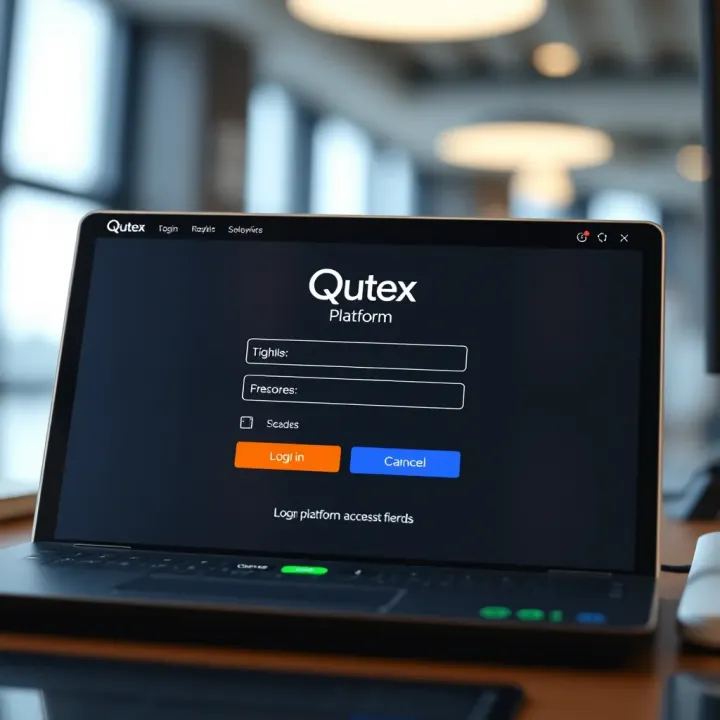
🔐 Master Qutex login with our guide! Learn how to access, troubleshoot, enhance security, explore benefits & manage your account easily.

🔍 Understand reverse flag patterns in trading: spot price reversals, learn key features & strategies, and tackle challenges in financial markets effectively.
Based on 14 reviews