

Top Forex Traders and Their Winning Strategies
Discover top forex traders' wealth secrets 💰, insights into their strategies 📈, and tips for success in the dynamic forex market 🌍.
Edited By
Oliver Bennett
Forex demo accounts act as a training ground for traders without risking real money. These accounts give you virtual funds to practise trading on live market conditions. Think of it as a flight simulator for forex trading — it lets you learn manoeuvres and test strategies before handling the actual aircraft.
Demo accounts mirror the foreign exchange market with real-time price movements and access to various currency pairs. This hands-on experience helps you understand how currency pairs react to economic news, geopolitical events, or market sentiment. For instance, you might notice how the USD/INR pair shifts during RBI policy announcements.
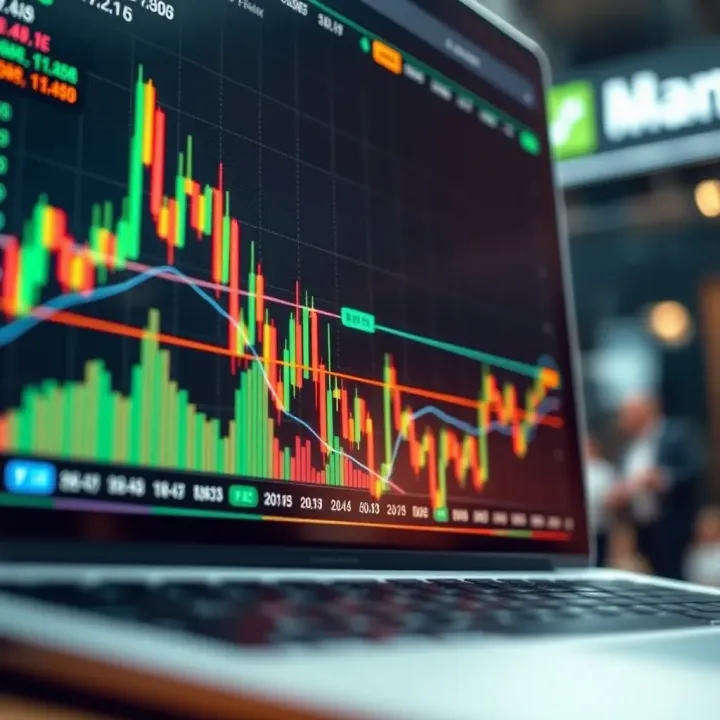
Using a demo account, you can try different order types — market, limit, stop-loss — and see their effect on your portfolio. This builds familiarity with trading platforms and sharpens decision-making. It’s especially useful as many brokers offer unique interfaces; practising reduces the chances of misclicks and mishaps in live trading.
Demo accounts remove the fear factor, allowing you to test your skills and understand market mechanics without financial pressure.
However, demo trading has limits. Since there’s no real money involved, the emotional stress is missing. Traders often behave differently when their capital is at stake. Plus, some brokers’ demo platforms may not fully replicate order execution speeds or spreads experienced in live markets.
Still, demo accounts serve as an ideal starting point for beginners and a useful tool for experienced traders to trial new strategies or trading tools. They also help evaluate a broker’s platform, data feeds and services without commitment.
Key benefits of forex demo accounts include:
Zero financial risk
Practice managing leverage and margin
Learning to analyse charts and indicators
Gaining experience on order placement and trade management
Testing strategies before real deployment
For Indian traders, familiarising with forex demo accounts helps navigate regulatory norms and currency volatility specific to INR pairs. It lets you build a solid foundation before stepping into the live market with real money, potentially saving lakhs in initial mistakes.
Overall, a well-used demo account is a trader’s rehearsal stage, indispensable for skill-building and confidence before the real show begins with live trading.
A forex demo account provides a risk-free environment where traders can practise buying and selling currencies without risking actual money. This is particularly helpful for those new to the foreign exchange market or those testing new strategies. Understanding how demo accounts function is essential for making the most of their benefits and preparing for real-world trading.
A demo account replicates the forex market using a simulated trading platform. This means market fluctuations, price movements, and trading scenarios mirror live conditions closely, but all trades are virtual. For example, if the EUR/USD currency pair rises on a particular day in the live market, the demo account reflects this change in real time, allowing you to experience market dynamics firsthand.
Perhaps the most important feature is that demo accounts operate without using actual capital. Your trading balance consists of virtual funds provided by the broker, enabling you to explore the market without financial risk. This means you can experiment freely, test out different order types and strategies, and learn how to navigate the platform without worrying about losses.
For newcomers to forex trading, demo accounts serve as a training ground to build foundational knowledge. Since the risks are zero, beginners can take their time understanding how currency pairs move, practice entering and exiting trades, and observe how global events impact markets. For instance, during the Indian festive season when currency markets might show volatility, a demo account allows a new trader to see those effects without feeling the pressure of real losses.
Good forex demo accounts use live feeds to provide real-time price quotations. This means the currency rates you see and trade on in a demo mirror what you'd encounter in a live environment. Such synchronization ensures traders get accustomed to market rhythms and volatility as they unfold, rather than practising on outdated or delayed data.
Demo accounts allow you to place various order types—market orders, limit orders, stop-loss, and others—just like in live trading. You can manage your trades by modifying or closing positions as the market moves, helping you learn practical skills like risk management and timing. For example, placing a stop-loss order on GBP/INR can teach you how to limit potential losses during sudden market swings.
Despite close resemblance, demo accounts do have limitations. They do not always capture the psychological pressure of risking actual money. Also, in volatile markets, execution speeds and slippage can differ in live trading. Furthermore, factors like broker spreads or liquidity constraints may not fully appear in a demo environment. Traders should keep these points in mind and avoid over-relying on demo results when transitioning to real trading.
Using a demo account is like training in a flight simulator: you gain the technical skills, but the real test comes when you're in the cockpit.
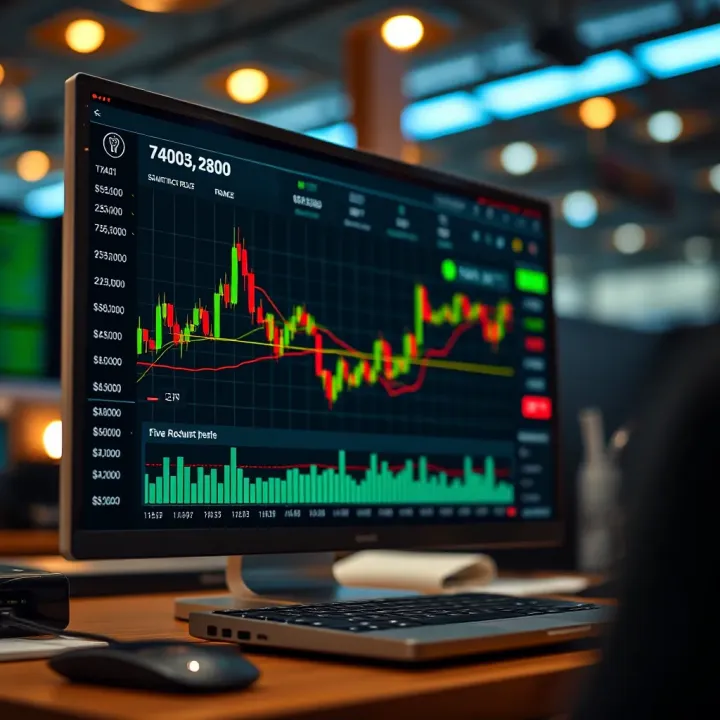
Understanding these aspects helps traders use demo accounts not just as a playground, but as a tool to develop genuine trading skills and confidence.
Using a forex demo account offers tangible benefits, especially for traders who want to sharpen their skills without risking real money. It serves as a sandbox to understand market dynamics, try out trading moves, and build the confidence needed before committing capital.
Understanding market mechanics plays the starring role in early trading education. When you use a demo account, you get to see how currency prices fluctuate in real time, grasp how economic events or geopolitical news impact the forex market, and watch spreads and slippages in action. For instance, observing how the Indian rupee reacts during RBI policy announcements can teach you much about volatility without any financial sting.
Practising order types and strategies with virtual funds lets you experiment openly. Whether it’s simple market orders or complex conditional orders like stop-loss and take-profit, you get hands-on practice. Imagine testing a breakout strategy on EUR/USD or trying hedging methods applied to USD/INR without fearing losses. This experience helps build trading muscle memory and strategy tweaks before real money enters the picture.
Getting familiarity with trading software is crucial for smooth execution. Demo accounts replicate platforms like MetaTrader 4 or 5, where you practise order placements, monitor open trades, and customise settings. This hands-on time prevents costly blunders that might happen due to unfamiliarity during live trades.
Assessing technical indicators and charts becomes more meaningful on demo platforms. You can attach moving averages, RSI, Fibonacci retracements, or Bollinger Bands to currency pairs and evaluate how well they predict price action. For example, you might find that the RSI helps spot oversold conditions in GBP/USD better than you expected, influencing your real trading decisions later.
Handling emotions in simulated trading prepares you mentally for real market pressure. Even though demo funds are fake, acting as if the money matters keeps your trading discipline sharp. Facing virtual losses and gains can simulate the psychological ups and downs you’ll encounter with actual stakes, helping you learn how to stick to your plan instead of chasing quick wins.
Developing discipline and routines with a demo account sets the foundation for consistent, responsible trading. Establishing habits like setting daily trade limits, doing market analysis before placing orders, and reviewing your journal help turn casual efforts into a steady routine. For instance, a trader practising this in demo mode might avoid impulsive trades once they start with live capital.
Start with a demo account to grasp forex trading fundamentals safely, test your tools, and prepare yourself psychologically. Doing so can make your transition to live markets smoother and their challenges less daunting.
Using a forex demo account effectively is key to making the most of this risk-free practice tool. It helps traders transition smoothly into live markets by simulating real trading conditions and encouraging disciplined habits. Without a proper approach, beginners might treat demo trading casually, missing the opportunity to build practical skills. Here we focus on setting realistic goals, simulating authentic market scenarios, and tracking performance to maximise learning.
Treating the demo seriously: Approaching demo trading like real trading matters. If you treat it as a mere game, you won't develop critical discipline or respect for market risks. For instance, imagine a trader practising day after day without any plan — this often leads to ignoring essential aspects like stop-loss orders or proper position sizing. Taking demo trading seriously means setting specific targets, testing strategies, and managing virtual capital thoughtfully.
Avoiding overtrading: It's tempting to place many bets since losses don't impact your wallet, but this behaviour can form bad habits. Overtrading leads to poor decision-making and inflated risk-taking, which won't serve well when moving to live trading. Instead, limit your trades as you would with real money. For example, if your plan suggests only three trades a day, stick to that during demo sessions. This discipline prevents unrealistic expectations and nurtures prudent trading.
Using actual market hours: Trading during live market hours helps you experience true price volatility and liquidity. For example, the Indian forex market has specific active hours influenced by global market open times. Practising outside these hours often results in illiquid conditions and strange price movements, which differ from live trading. So, working within real market hours trains you to react appropriately to genuine market events.
Limiting virtual capital to match live funds: Assigning your demo account virtual money that reflects what you plan to use in real trading restricts unrealistic behaviour. If the demo balance is ₹10 lakh but you intend to trade live with ₹1 lakh, the psychological impact differs greatly. A lower demo balance forces sensible position sizing and risk management. Treating virtual funds like actual money builds habits that reduce the shock factor when you switch to live accounts.
Maintaining a trading journal: Recording every trade, including entry and exit points, reasoning, and emotions, offers clarity on your trading patterns. A journal exposes weak points and highlights successful strategies. For instance, if a trader notices repeated losses on volatile currency pairs, they may decide to avoid those or adjust tactics. Without journaling, it’s hard to improve systematically.
Reviewing wins and losses: Regularly assessing your demo trades helps identify if strategies work or need tweaks. Rather than just focusing on overall profit or loss, analyse each scenario: Was the trade well-timed? Was risk managed properly? For example, consistently cutting losses late could signal a need to set tighter stop-loss levels. This review process instills accountability and sharpens decision-making.
Effectively using a forex demo account isn't just about quantity of trades but quality of practice. Realistic goals, market-matching conditions, and honest self-review prepare you for confident live trading.
Forex demo accounts provide a risk-free platform to learn trading, but beginners often fall into traps that can limit their growth. Recognising and avoiding common mistakes can make your practice sessions more effective and prepare you better for live markets.
Lack of emotional involvement: When trading in a demo account, there’s no real money at stake, so your emotions are usually calm. This differs sharply from live trading, where fear or greed can influence your decisions. For example, you might take risks in demo trades that you wouldn't dare with real funds. This absence of emotional pressure makes demo trading easier but less realistic in terms of handling stress.
Overconfidence due to virtual funds: Demo accounts often give you a generous virtual balance, which can give a false sense of security. You might habitually place large trades or ignore stop-losses, assuming you can't lose anything. This behaviour, if carried into live trading, could lead to significant losses. It’s better to limit your demo capital and treat it like your real trading budget to cultivate discipline.
Random trades and chasing losses: Beginners sometimes make trades based on hunches or to compensate for earlier virtual losses without any clear strategy. Such impulsive moves often lead to chaotic performance and no meaningful learning. It’s essential to follow a well-thought-out trading plan, even in demo mode, to build skills that work in live markets.
Disregarding risk management: Ignoring risk management rules like setting stop-loss orders or limiting trade size can inflate demo profits temporarily but creates bad habits. For instance, if you ignore risk limits while trading with virtual money, you may underestimate how important they are when real money is involved. Practise strict risk controls in demo accounts to develop habits that protect your capital later.
Getting stuck in demo mode: Some traders stay in demo accounts for too long fearing the risk of live losses. They may become comfortable with simulated trading but miss the key step of experiencing real market emotions and execution differences. The delay can stunt progress and waste potential.
Not recognising when ready to switch: Knowing when to move to live trading is vital. Indicators include consistent profitability in demo trades and a solid grasp of market risks and behaviour. Waiting too long after reaching this point can cost opportunities to build real wealth. It’s wise to start live trading with small amounts and gradually increase exposure as confidence grows.
Avoid these common demo account mistakes to build skills that truly prepare you for the world of live forex trading. Treat your demo trades seriously and plan your next steps carefully.
Transitioning from a forex demo account to live trading marks a crucial stage in a trader’s journey. While demo accounts help build foundational skills without risk, live trading introduces real financial consequences and emotional pressures. Recognising when you’re ready and preparing for the change ensures you don’t lose hard-earned gains due to common pitfalls.
Demonstrating steady profits over time on a demo account is a useful indicator you have developed a workable trading strategy. For example, if you have seen positive outcomes across different market conditions for a few weeks or months, it means your approach is more than just luck. However, ensure you are tracking factors like risk-reward ratio and drawdowns, not just the end balance.
It means you have grasped how currency pairs respond to economic news, volatility spikes, and market trends. This understanding helps you anticipate potential losses and protect your capital. For instance, knowing the effect of RBI interest rate announcements on the rupee-dollar pair lets you avoid surprise setbacks. Being aware of risks also pushes you to apply stop-loss orders and limit leverage.
Starting live trading with a small amount is wise as it limits potential losses while you learn to manage real-money emotions. Say you funded your live account with ₹10,000 instead of ₹1 lakh; losses affect your mindset and discretion less severely. This approach helps you gradually adapt to the stakes without risking financial hardship.
Integrating stop-loss orders protects your capital by automatically closing trades at a set loss limit. Coupled with sound money management, such as risking only 1-2% of capital per trade, it keeps downside under control. For example, on a ₹10,000 account, you wouldn’t risk more than ₹200 per trade. This discipline is a lifesaver during unexpected market moves.
Trading with real money brings emotions like fear and greed to the surface. Unlike demo accounts, actual losses sting and may lead to rash decisions such as revenge trading or early exits. Recognising these emotional traps and practising mindfulness or breathing techniques can steady your reactions.
In live markets, sticking to your trading plan under stress separates successful traders from impulsive ones. This means not chasing losses, avoiding overtrading, and patiently waiting for setups. For instance, during volatile news days, resisting the temptation to trade every move helps protect capital. Discipline builds with experience but must be consciously cultivated.
Moving to live forex trading demands more than technical skills; emotional readiness and sound money management are equally vital. Taking small steps and recognising key signals safeguards your journey from costly missteps to sustained growth.
Discover top forex traders' wealth secrets 💰, insights into their strategies 📈, and tips for success in the dynamic forex market 🌍.
Explore Quotex's platform features, trading options, setup guide, benefits, risks, and regulation insights to help Indian traders navigate online trading safely 📊🇮🇳
📊 Discover how Quotex free signals work, their pros and cons, plus tips to safely boost your trading strategy in India and beyond. Trade smarter today!

📊 Discover how RBI's Forex Broker List safeguards Indian traders. Learn to identify legit brokers, avoid scams, and trade with confidence in compliance.
Based on 12 reviews