

Best Trading Apps in India: Features & Safety Reviewed
Explore the best trading apps in India 📈 with detailed features, user-friendliness, costs, and security insights to pick the right platform for your investments safely 🔒.
Edited By
James Whitmore
Demo trading apps have reshaped how Indian investors familiarise themselves with stock market trading. These platforms let users practise buying and selling shares without using actual money, providing a playground to test strategies and learn market dynamics.
In India, where investing often comes with cautious steps, demo trading apps offer a risk-free environment for beginners and experienced traders alike. For instance, apps like Upstox and Zerodha provide virtual trading accounts that mirror real stock market conditions, encouraging skill development without financial danger.

Using a demo trading app can save you from costly mistakes when you start actual trading.
Such apps help you build confidence in understanding order types, market timings, and price movements. They often include real-time data and tools for chart analysis, allowing you to experiment just like a seasoned trader. You get to understand complex concepts—for example, how placing a limit order differs from a market order—without worrying about losses.
Moreover, practising on demo apps can improve decision-making skills under pressure, which is crucial for markets known for sudden swings, like the Sensex or Nifty 50. Over time, traders learn to recognise patterns, manage risk, and refine their entry and exit points.
Keep in mind, however, that demo trading lacks emotional factors involved with real money. It’s wise to use these apps as a training step rather than relying on them entirely before investing.
Understanding the features and benefits of available demo trading apps helps investors pick the one that fits their needs best. This article will guide you through key factors to keep in mind, top apps in India, and how to make the most of them to sharpen your trading skills effectively.
Demo trading apps offer a simulated platform where you can practise stock market trading using virtual money. These apps provide users—especially beginners and those testing new strategies—a safe space to understand market mechanics without risking actual capital. For Indian investors looking to enter trading, demo apps serve as an essential stepping stone.
A demo trading app replicates the real trading environment but operates with fictitious funds. The main purpose is to allow users to familiarise themselves with trading processes, including placing orders, analysing charts, and managing holdings, without the pressure of losing money. For example, a first-time trader in Mumbai can try out different stock purchases or futures contracts on a demo app and learn how market orders or limit orders work in practice.
This hands-on experience helps build trading skills and confidence. It also serves experienced traders who want to test new ideas or algorithms under market-like conditions. By providing a realistic yet risk-free environment, demo apps contribute to better decision making when moving on to live trading.
Virtual trading platforms use real-time or near real-time market data to mirror the actual fluctuations seen on the stock exchanges like NSE or BSE. This means when a stock price moves on the Sensex, your demo portfolio reflects similar movements. Such accurate data feed ensures the practice is relevant and effective.
Besides prices, demo apps also simulate trading features like order types, transaction costs, and margin requirements familiar to Indian markets. For instance, you can place a stop-loss order or check how brokerage fees impact your profits and losses within the app itself.
Practising with authentic market conditions allows you to understand how news, events, or market sentiment might affect your trades in reality.
However, it's worth noting that demo trading can't capture the emotional aspects of real trading, such as fear or greed, which affect many decisions. Still, it gives you a sound understanding of market operations and trading tools.
In short, demo trading apps in India act as a bridge between theory and real market action. They let traders and investors sharpen their skills while keeping hard-earned money secure until they are ready for live investing.
Starting with a demo trading app provides a risk-free environment to learn the basics of stock market trading. For many beginners, stepping into real markets can be overwhelming because prices fluctuate rapidly and the fear of losing money sometimes clouds judgment. A demo account removes this pressure by giving you virtual money to trade, so you can understand order placement, chart reading, and market terminologies without any financial risk. For example, someone new to equity trading can practise buying and selling shares through a Zerodha Kite virtual platform or Upstox’s paper trading module to get a feel of live market behaviour.
Testing trading strategies without risking actual money is another advantage that demo trading apps offer. When you try a new approach—say, using moving averages or RSI (Relative Strength Index) signals for buying and selling—trial runs in a demo setting let you see how these methods perform over time. You might try a short selling strategy during volatile market conditions in the demo before applying it live. This approach protects your capital and builds better trading discipline, preventing impulsive decisions fueled by excitement or panic.
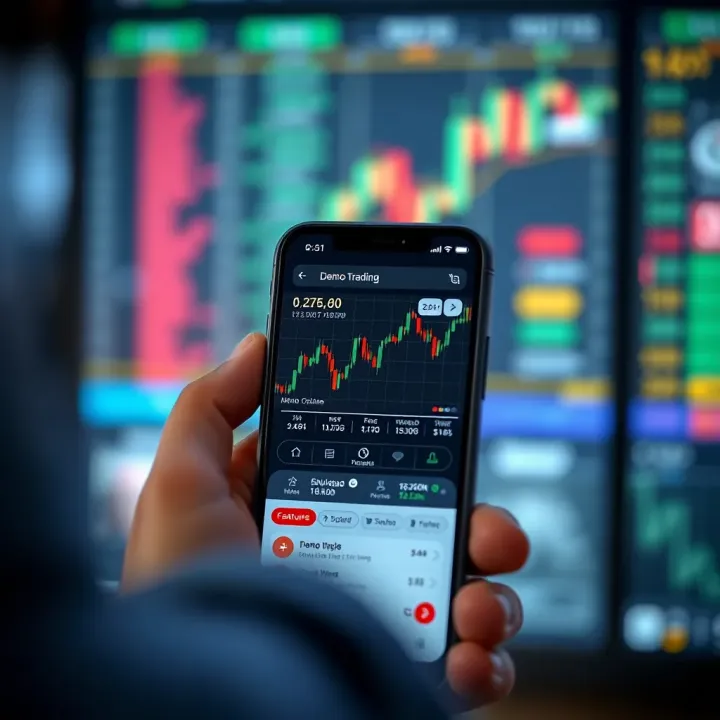
Building confidence and sharpening your understanding of market dynamics comes naturally through repeated use of demo apps. Real markets react unpredictably to news, earnings reports, or policy changes made by the Reserve Bank of India (RBI). Practising on demo apps helps you observe how such events impact stock prices without the fear of real losses. Traders often realise how emotions like fear or greed affect their trades only after switching to live markets. Demo trading bridges this gap by allowing you to experience market psychology firsthand and manage those reactions effectively.
Using a demo trading app is like learning to drive in a simulator before hitting busy roads; it prepares you for the real experience without the risk of crashes.
To summarise, demo trading apps help you:
Get comfortable with trading platforms and market language
Experiment with complex strategies freely
Understand price movements influenced by economic events
Build patience and money management skills
These benefits ultimately raise your chances of success when you start investing real money in stocks, commodities, or derivatives. So, it's wise to master the trading basics through demo platforms available on popular Indian brokerages like Angel Broking, Zerodha, or Upstox before making live trades.
Choosing the right demo trading app depends heavily on the features it offers. A good app should provide practical, real-world tools to make virtual trading as close to live trading as possible, so you get genuine experience without risking money. The features we discuss here help you decide which app suits your trading style and learning needs best.
The most crucial feature is access to market data that mimics live conditions closely. If the demo app uses outdated prices or delayed information, it will misguide your trading decisions. For example, Zerodha Kite’s virtual trading reflects real-time price movements as in the NSE and BSE markets. Timely updates on indices, stocks, and forex pairs allow you to practice reacting to market swings promptly. It sharpens your skills on timing trades, analysing volatility, and understanding price patterns, just like live trading.
Simplicity and ease of navigation matter a lot. A clunky interface will discourage you from consistent practice. Look for apps that offer clean dashboards, easy order placement, and clear visualisations of trades. Upstox Pro, for instance, features intuitive charting tools and quick access to order types, enabling smoother learning. Useful tools like technical indicators, watchlists, and order history help traders analyse performance and refine strategies efficiently.
A demo app gains value if it supports multiple instruments like equities, derivatives, commodities, and currency futures. This variety helps you identify the markets that interest you most before committing real funds. Angel Broking's demo account lets users trade in both shares and options, which is excellent for those wanting to explore various asset classes. Practising across sectors and instruments prepares you for different market conditions.
Not everyone starts as an expert, so the availability of built-in educational content adds great value. Tutorials, blogs, webinars, and explainer videos provided within apps help understand concepts and update on market trends. For example, Zerodha Varsity is integrated with Zerodha’s platform offering detailed lessons on trading. This support means you’re not just practising blindly but learning progressively.
When selecting a demo trading app, prioritise realistic experience, ease of use, instrument diversity and learning aids. These features ensure your preparation genuinely mirrors real trading, building confidence and skill without risk.
By focusing on these key aspects, you’ll pick a demo trading app that not only fits your current knowledge but grows with your ambitions in the Indian markets.
Choosing the right demo trading app helps you practice trading skills in a real-like environment without financial risk. Indian traders prefer apps with reliable market data, intuitive interfaces, and features that closely mimic actual trading conditions. Below, we examine some popular options widely used in India, highlighting their standout demo features and benefits.
Zerodha Kite offers a robust virtual trading platform called 'Kite Connect' where you can practise trading with paper money. It replicates real-time market prices drawn from the National Stock Exchange (NSE) and Bombay Stock Exchange (BSE), giving you a near-authentic experience. This tool is especially good for beginners wanting to get a feel for order placement, using technical indicators, and experiencing market volatility.
One benefit of Kite’s virtual feature is its seamless integration with the actual Kite trading app. You can switch between demo and live environments easily. However, remember that while it mirrors real prices, liquidity and execution do not fully replicate live markets. Still, it is excellent for understanding the trading workflow without pressure.
Upstox Pro includes a paper trading mode equipped with advanced charting tools and technical indicators, which appeals to traders focused on technical analysis. It offers flexibility in testing strategies across equities, commodities, and currency segments.
A key advantage here is quick accessibility. You don’t need a funded account to start paper trading, allowing freshers to experiment freely. The interface is clean and user-friendly, suitable for both intraday and swing trading trial runs. Traders can track hypothetical profits or losses over multiple sessions to refine their approach before committing real capital.
Angel Broking provides a demo account linked to a simulated Demat portfolio. What sets it apart is detailed performance analytics and in-depth educational content tailored for Indian stocks and derivatives markets. The demo environment lets you buy and sell shares, view portfolio value changes, and understand margin requirements.
Its biggest appeal is the comprehensive guidance alongside the demo trades. You can practically learn to navigate both delivery-based and intraday strategies with real-world constraints like brokerage charges considered. This makes it suited to investors planning long-term equity investments or trading futures and options.
Several other platforms cater well to different trading needs:
5Paisa Demo Account: Easy to set up with virtual funds and quick access to Indian markets.
FYERS Virtual Trading: Strong on charting and strategy building, preferred by technical traders.
ICICI Direct Virtual Trading: Good for those already familiar with ICICI Bank ecosystem seeking safe practice.
Picking a demo app depends on your trading style and goals. Whether you want in-depth technical analysis tools or simple order practice, these apps give you a safe way to build skills.
By trying these popular demo trading apps, you can confidently prepare yourself before putting money on the line. Their integration with live market data and Indian stock exchanges ensures the learning you gain is relevant and practical.
Using a demo trading app effectively can greatly improve your chances of success when moving to real trading. The key is to treat the practice sessions seriously and follow clear strategies that build skill and confidence. Below are some practical tips that can help you get the best value out of your demo trading.
Start your demo trading by setting clear, achievable goals. Aiming for quick profits might push you to take excessive risks, even if it is virtual money. For example, decide on a daily percentage gain or loss limit to mimic real market discipline. If you plan to increase capital only after reaching consistent targets, you develop patience and control early on. This approach weeds out impulsive decisions and makes your learning organised.
Demo accounts offer a perfect playground for testing various trading styles—be it intraday, swing, or positional trading. Try out momentum trading one week and then shift to value investing the next. Observing how each style performs with virtual funds helps you understand what suits your temperament and market conditions. For instance, you might find that quick turnaround trades stress you out, while longer-term holds align better with your schedule.
Maintaining a trading journal within your demo app or externally can greatly enhance your learning curve. Record reasons for entering or exiting trades, emotions felt, and strategy outcomes. Over time, patterns emerge showing what works and where mistakes keep recurring. Spend time weekly reviewing these logs to refine your approach. One trader used this method to realise they repeatedly ignored stop-loss points in demo trades—something they corrected before going live, saving potential losses.
Jumping from virtual to real money can feel like moving from a school's playground to a busy street. To ensure a smooth shift, start real trading with small amounts, treating funds as seriously as you did in demo mode. Avoid increasing trade sizes immediately, even if you had success in virtual space. Some apps allow linking demo and live accounts, letting you transfer successful strategies gradually. This way, you manage emotional and financial risks carefully.
Remember, demo trading is a training ground, not a guarantee. Approaching it with discipline and clear goals sets you up better for the real market challenges ahead.
Implement these tips, and your demo trading experience in India will be both effective and insightful, paving the way for confident, informed investment decisions.
Explore the best trading apps in India 📈 with detailed features, user-friendliness, costs, and security insights to pick the right platform for your investments safely 🔒.
📈 Explore demo trading accounts for Indian traders! Learn, practise strategies, and get platform insights risk-free before investing real ₹₹. Perfect for all levels!

📈 Understand free demo trading accounts in India to practise without risk. Learn benefits, features, top platforms, and tips to build strong trading skills confidently.

Discover RBI-approved trading apps in India 📱 Learn how to pick secure, official platforms for seamless trading and investment 📈 Stay informed with essential tips!
Based on 13 reviews