

RBI Approved Trading Apps in India: A Practical Guide
Discover RBI-approved trading apps in India 📱 Learn how to pick secure, official platforms for seamless trading and investment 📈 Stay informed with essential tips!
Edited By
Sophie Hamilton
Choosing the right trading app can make a significant difference for investors and traders in India. With numerous options available, each offering varied features, costs, and security measures, selecting an app aligned with your trading style and goals is essential.
Trading apps serve as gateways to markets like Bombay Stock Exchange (BSE), National Stock Exchange (NSE), commodities, and mutual funds. They allow you to place orders, track portfolios, and access real-time data on your mobile or desktop.

Here’s what to keep in mind when evaluating trading platforms:
User Interface and Experience: A clean, intuitive design saves time and avoids costly errors. Apps like Zerodha Kite and Upstox Pro are known for their neat layouts and responsive speeds.
Costs and Brokerage: Some platforms offer zero brokerage on equity delivery but charge for intraday or futures trading. For instance, Groww charges zero brokerage on mutual funds but levies fees on equity trades.
Security and Regulation: Ensure the app complies with Securities and Exchange Board of India (SEBI) regulations. Look for features such as two-factor authentication and data encryption to protect your personal and financial information.
Research and Tools: Advanced charting, technical indicators, news updates, and margin calculators enhance decision-making. ICICI Direct, for example, provides comprehensive research reports suited for serious traders.
Integration with Indian Financial Ecosystem: Smooth linkage with your bank through UPI, Aadhaar-based KYC, and facilities for tax-saving investments under Section 80C offer convenience.
It's worth noting that no single app suits every trader. Some prefer apps focused on quick order execution for day trading, while others need comprehensive research for long-term investments.
By understanding these factors, you can narrow down your choice and pick a platform that complements your trading habits and financial objectives.
Next, we'll look at the top trading apps popular in India that balance usability, cost, and security effectively.
Choosing the right trading app is essential for smooth, efficient investing. A good app goes beyond just placing orders; it should cater to your trading needs with features that boost your decisions and protect your money. In India, where markets move fast and traders rely on mobile platforms, understanding what to expect from these apps can save you trouble and improve your experience.
The design and flow of an app can either make trading a breeze or a headache. A clean, intuitive interface helps you find stocks, check charts, and execute trades without fumbling. Take Zerodha Kite as an example; its simple layout appeals to both freshers and seasoned traders. Features like smart search, quick access widgets, and real-time updates matter most when you want to act fast. Lagging screens or cluttered pages cause missed opportunities and mistakes.
Your app should support a variety of trading instruments — equities, derivatives, mutual funds, commodities, and currencies. Also, it must offer access to major Indian exchanges like NSE and BSE. Some apps extend to international markets, useful if you want global exposure. For instance, Upstox provides easy options to trade in derivatives and commodities alongside stocks, meeting diverse investor preferences.
Low brokerage sounds attractive, but watch for hidden fees like transaction charges, stamp duty, or withdrawal fees. Detailed transparency saves you from unpleasant bills later. 5Paisa offers subscription models that can cut costs for high-frequency traders, while some apps charge per trade, which suits casual investors better. Always compare the total cost implications based on your trading style.
Your money and data must stay safe. Look for apps compliant with Securities and Exchange Board of India (SEBI) guidelines and registered brokers. Two-factor authentication (2FA), biometric logins, and data encryption add layers of security. Angel Broking, for example, uses 2FA and secure servers to protect client information. Regulatory compliance is not just formal; it reflects the app’s reliability and commitment to safeguarding users.
Selecting a trading app demands more than popular names or flashy features. Focus on usability, costs, market access, and strong security. This approach ensures your investment journey starts on solid ground and grows steadily.
Each feature plays a role in making trading efficient, cost-effective, and safe. Assess these carefully before deciding, so the app aligns with your financial goals and trading style effectively.
In today's digital age, trading apps have become essential tools for investors and traders across India. These apps provide convenient access to markets, real-time data, and efficient order execution. Given the competitive landscape, it's crucial to know the strengths and limitations of the top trading apps to match one with your trading style and goals.
Core features and usability: Zerodha Kite is well-known for its clean and user-friendly interface. The mobile and web platforms offer seamless order placement and detailed charting tools, which are helpful for both beginners and seasoned traders. Its integration with third-party charting software further enhances technical analysis capabilities.
Service charges and plans: Zerodha follows a flat fee model charging ₹20 per trade for intraday and F&O segments, regardless of trade size. Equity delivery trades are free, making it attractive for long-term investors. This transparent fee structure avoids surprises, helping users manage costs efficiently.
Integration with Indian trading ecosystem: Kite integrates smoothly with Indian financial systems, offering access to NSE, BSE, and MCX markets. It supports seamless linking with bank accounts for quick fund transfers via UPI and debit cards, ensuring fast settlement cycles.

Platform highlights: Upstox Pro stands out with advanced charting tools and a highly customizable dashboard. It supports multiple order types and real-time market feeds, which suit active traders looking for flexibility and quick decision-making.
Fee structure: Upstox offers competitive pricing with free equity delivery trades and charges ₹20 per order for intraday and futures segments. The fee transparency helps traders focus on strategies without worrying about hidden costs.
Mobile and web experience: The app runs smoothly on both mobile and web platforms, ensuring consistent experience across devices. Its lightweight design means faster loading even on slower networks common in tier-2 and tier-3 cities.
App functionality: Angel Broking's app is tailored for intuitive navigation and quick access to research reports and recommendations. It supports voice commands, an uncommon feature that adds convenience during busy market hours.
Brokerage details: Angel Broking offers zero brokerage on equity delivery, with ₹20 per trade for intraday and F&O segments, similar to peers. Their subscription-based plans also provide value for frequent traders needing additional research tools.
Additional services: Beyond trading, Angel Broking offers mutual fund investments and insurance, useful for investors looking to manage multiple financial products under one roof.
Key offerings: 5Paisa combines low brokerage fees with a straightforward app design. It supports stock, commodity, and currency trading, making it versatile for diverse portfolios.
Subscription models: It offers subscription plans starting as low as ₹500 annually, which can significantly reduce brokerage fees for high-volume traders, offering good value.
Customer support: 5Paisa provides prompt chat and phone support in regional languages, an advantage for traders outside metropolitan areas.
User friendliness: Paytm Money shines with its simple, clean interface, making investing accessible even for first-time users. The app includes helpful tools like SIP setup and goal tracking.
Market segments covered: Apart from equities, it covers mutual funds and National Pension System (NPS) accounts effectively, catering well to long-term investment approaches.
Pricing policy: It maintains zero commission on equity delivery and charges nominal fees for intraday trades, appealing to cost-conscious investors.
Choosing a trading app involves weighing usability, charges, and additional services carefully. These top apps have carved niches that cater to different trading needs, making them worth exploring based on your objectives and trading style.
Choosing the right trading app can make all the difference between smooth investing and frustrating experiences. Your trading app should align with your personal style, budget, and tech preferences to help you trade confidently in India’s dynamic markets. Let's look at the key factors to consider so you pick the right platform that fits your needs.
First, understand your trading habits before deciding on an app. Are you a day trader who needs real-time streaming data and lightning-fast order execution, or more of a long-term investor looking for detailed portfolio tracking and research reports? For instance, a frequent trader will benefit from apps like Zerodha Kite that offer advanced charting tools and quick order placements. On the other hand, if you prefer passive investments, platforms with easy mutual fund integration such as Paytm Money suit better. Knowing this upfront prevents you from paying for features you rarely use and helps focus on what matters to you.
Trading costs can quickly eat into your profits, so evaluate brokerage charges, subscription fees, and hidden costs carefully. Some apps like Upstox Pro offer low brokerage for equity delivery trades, while others may charge a nominal monthly fee for premium features. Also, watch out for hidden fees like transaction charges or withdrawal costs, which many new traders overlook. For example, Angel Broking has a transparent brokerage model with zero fees on delivery trades but charges small fees on intraday trading. Make sure you calculate estimated monthly costs based on your trading volume to avoid surprises.
Your trading app should work seamlessly on your preferred devices. Many apps offer both mobile and web versions, but some may lag in experience or features on one platform. If you trade on the move through your smartphone, check if the app supports Android and iOS well, has a user-friendly interface, and offers functions like one-touch trade and price alerts. For desktop-heavy users, robust web platforms with multi-monitor support and in-depth analytics might be crucial. For example, Zerodha Kite scores high on both mobile and web, while some niche apps might focus on only one platform. Also consider internet connectivity requirements if you live outside metro cities.
Selecting the right trading app means balancing your trading style, budget limits, and tech setup. Getting this choice right itself can save you time, money, and stress in the long run.
By carefully assessing these factors, you can narrow down your options to a few platforms that truly meet your requirements. This thoughtful approach ensures your trading app becomes a tool that supports your goals rather than a stumbling block.
Starting with a trading app requires more than just downloading and opening it. You need to prioritise safety to protect your investments and personal data. The Indian financial ecosystem has seen a surge in digital trading, but this convenience comes with risks like fraud, phishing, and technical glitches. Following some practical safety tips can keep you a step ahead and build confidence in your trading journey.
Before using any trading app, confirm it is registered with the Securities and Exchange Board of India (SEBI). SEBI is the watchdog overseeing India's securities market and ensures brokers adhere to strict standards. Using a SEBI-registered platform means you have government backing and legal protection. For example, Zerodha and Angel Broking have SEBI approval, allowing them to operate legitimately.
Running into unregistered apps may lead to loss of funds or data breaches without recourse. Always check the app’s credentials on SEBI’s official list or the broker’s website. Remember, some apps may claim association with big names, so verify carefully.
Two-factor authentication (2FA) adds a second layer of security beyond just your login password. Many Indian trading apps now mandate 2FA using your mobile number or email. For instance, Upstox Pro sends OTPs (one-time passwords) for login or trade confirmation.
Enabling 2FA protects against unauthorised access even if someone gets hold of your password. Avoid using easily guessable passwords, and never share OTPs. Besides securing your account, 2FA helps prevent fraudulent transactions and unauthorised fund withdrawals.
Trading is inherently risky; prices can swing dramatically in seconds. Apps help you trade easily, but they can lull you into thinking trading is risk-free. Understanding market volatility is key before placing trades.
For example, the Sensex can drop 1,000 points in a single day due to global or domestic events. You must monitor risks like sudden price changes, liquidity crunches, or regulatory announcements. Educate yourself about stock market basics and use app features such as price alerts and stop-loss orders to limit potential losses.
Trading apps provide many benefits but aren’t a shield against losses. Diligence, knowledge, and security measures are essential when you start using one.
By verifying regulatory credentials, setting up 2FA, and respecting market risks, you protect your investments and build a solid base for your trading activities. This approach helps you trade confidently and safely in India’s evolving digital market.
Trading apps today provide much more than just basic buy and sell functions. Additional tools and resources offered by these platforms can greatly improve your trading experience and decision-making. They add depth by helping you analyse markets, learn new strategies, and track investments efficiently. For Indian traders and investors, these features often make the difference between just placing orders and actually growing a portfolio wisely.
Many top trading apps include built-in research tools that crunch market data and offer insights. These features range from real-time news updates, expert opinions, and technical charts to automated alerts on price movements. For instance, Zerodha Kite provides detailed charts with various indicators like RSI and MACD, which help you identify entry and exit points effectively.
Having access to quality research saves time as you do not need to jump across multiple sources to gather data. Apps like Angel Broking also offer daily market analysis and stock recommendations tailored to Indian market trends. This is particularly useful when trading volatile stock segments or derivatives. Remember, relying on solid analysis can reduce guesswork and improve your confidence.
For beginners, trading can be daunting without proper guidance. Several apps now come loaded with educational material designed specifically for new investors. Paytm Money, for example, offers easily digestible videos and articles explaining concepts like mutual funds, SIPs (Systematic Investment Plans), and tax-saving instruments under Section 80C.
These resources lower the entry barrier by explaining jargon-free strategies and risks in simple language, often with Indian market context. Learning within the app itself means you can directly practise concepts on a virtual platform or with small investments, making education much more applied and less theoretical.
Keeping track of your investments and how they perform over time is crucial. Most trading apps now give users a dashboard summarising their portfolio value, diversification, profits or losses, and transaction history in one place. For example, Upstox Pro allows you to monitor your holdings alongside a detailed breakdown of asset classes such as equities, commodities, and ETFs.
This feature goes beyond just numbers; it helps you spot trends like overexposure to a single stock or sector and take corrective steps early. It also simplifies filing ITR (Income Tax Returns) by maintaining historical trading records. Many apps send personalised alerts when your portfolio dips or hits a target, helping you stay proactive.
Tools and resources built into trading apps empower you to become an informed investor, not just an order placer. Don’t overlook them while choosing your platform.
In short, research and analysis tools, educational content, and portfolio tracking are essential add-ons that complement trading functionality. They boost your market understanding, reduce risks, and help you manage investments actively. When testing apps, explore these offerings thoroughly to see which aligns with your trading goals and learning style.
Discover RBI-approved trading apps in India 📱 Learn how to pick secure, official platforms for seamless trading and investment 📈 Stay informed with essential tips!
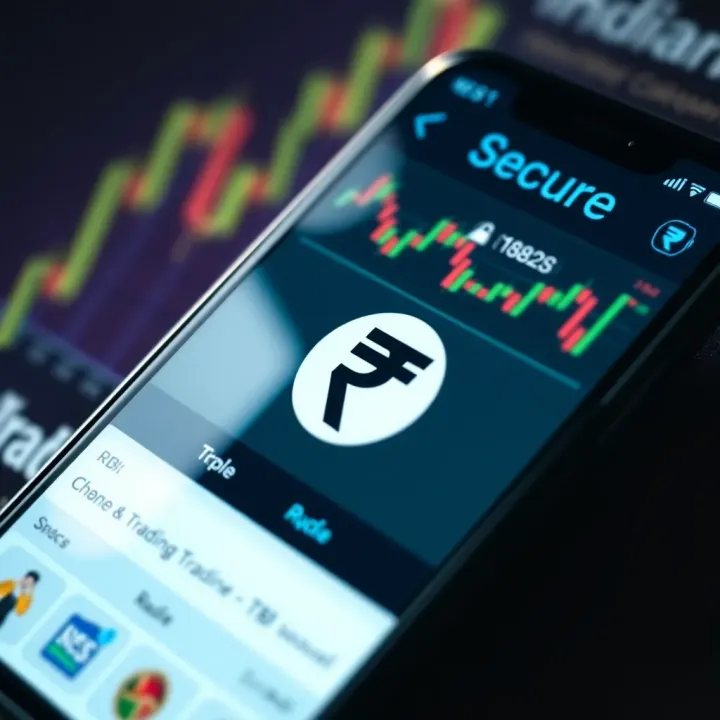
Explore RBI approved trading apps in India 📱🔍 Learn why RBI approval matters, key features, security tips, and top platforms for safe investing in the market.

Explore RBI-authorized forex trading apps in India 🇮🇳. Learn how to pick legal platforms, understand compliance, spot risks, and trade smartly with confidence.

📱 Looking for the best mobile for trading in India? Learn which mobiles offer fast processing, sharp display, strong security & smooth connectivity for traders.
Based on 6 reviews