

Ethereum Price Forecast: Trends and Predictions
Explore Ethereum price trends with insights on technical analysis, market factors, and expert views. Stay informed on future movements for Indian investors 📈
Edited By
Daniel Foster
Predicting Bitcoin's daily price is a tricky business that traders and investors in India take seriously. Unlike traditional stocks, Bitcoin moves swiftly and unpredictably, influenced by several factors that can change from hour to hour. Understanding these influences helps decode the often confusing daily price fluctuations.
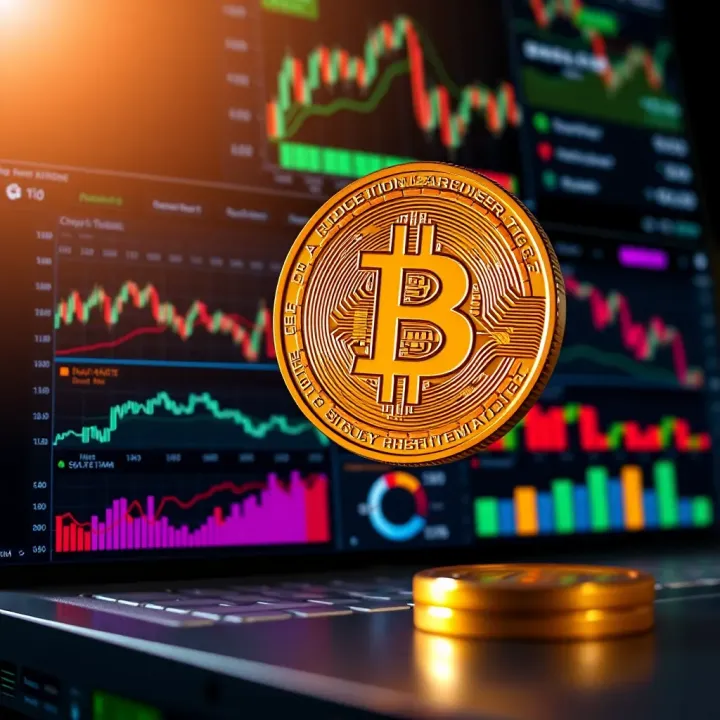
Bitcoin's price doesn't move randomly. Key influences include:
Market sentiment: News about regulations, hacks, or endorsements by influential figures can send the prices soaring or tumbling.
Volume and liquidity: Higher trade volumes often indicate stronger momentum while low liquidity can cause exaggerated swings.
Global economic events: Changes in interest rates or currency crises can shift investor preference towards or away from cryptocurrencies.
Technological updates: Network upgrades or security improvements can boost confidence, affecting price positively.
For example, when a leading exchange reports a security breach, Bitcoin prices may dip sharply for a day, only to recover once the situation is clear.
Forecasting Bitcoin price effectively requires tracking reliable indicators. Indian investors should watch tools like:
Candlestick charts: These display price movements within a day, highlighting bullish or bearish trends.
Moving averages: They smooth out price data to identify trend directions over short periods.
Relative Strength Index (RSI): This helps signal if Bitcoin is overbought or oversold.
Sentiment analysis platforms: Tracking social media and news sentiment using tools like Santiment gives an edge on market mood.
Regularly checking these indicators can prepare you to respond quickly, especially in India’s fast-evolving digital asset space.
Keep a watch on Indian crypto regulations and announcements from RBI or SEBI, as they can affect demand instantly.
Use systematic investment plans (SIP) for crypto where available, to spread risk.
Avoid reacting solely to daily price jumps; understand the broader trend and news context.
Combine technical tools with fundamental analysis for a balanced view.
In short, daily Bitcoin price predictions mix art and science. Grasping the influences and using the right tools can help you navigate the volatile terrain confidently rather than guessing blindly.
Understanding how Bitcoin’s price moves daily is essential for anyone involved in crypto trading or investment. This section explores the main factors driving these fluctuations, helping you make better-informed decisions and improve your timing.
Market demand and supply dynamics influence Bitcoin price on a minute-to-minute basis. When more people want to buy Bitcoin than sell it, its price tends to rise. For example, if a sudden interest in Bitcoin arises from Indian retail investors during a festival sale, demand spikes, pushing prices upward. Conversely, if a large holder decides to cash out, increasing supply, the price may drop quickly. This interplay between buyers and sellers creates constant price movement.
Regulatory announcements and news impact can cause sharp daily swings in Bitcoin’s value. News from governments, especially around regulations or bans on cryptocurrencies, often creates waves across markets. If the Securities and Exchange Board of India (SEBI) introduces stricter rules, traders may react by selling off Bitcoin, pushing prices down. Positive news, like India's financial sector embracing blockchain, can spark buying interest, driving prices up swiftly.
Global macroeconomic factors such as inflation rates, currency fluctuations, or geopolitical tensions also affect Bitcoin prices. For instance, when the US dollar weakens or inflation spikes, Bitcoin sometimes attracts investors as a hedge, boosting its price. Similarly, unrest in major economies can lead investors to seek alternatives like Bitcoin, impacting demand and price even in the Indian market.
Understanding Bitcoin's price volatility is key to grasping why its price can jump or fall drastically within hours. Bitcoin is notorious for high volatility compared to traditional assets like stocks or gold. For example, during events like the 2021 China crypto crackdown, Bitcoin’s value plunged by nearly 30% within days. Such swings present opportunities but also risks, demanding constant monitoring by traders.
Volatility means both potential profits and losses can be rapid and significant, making daily price predictions a tricky but necessary endeavour.
Why daily predictions are challenging yet important lies in Bitcoin’s sensitivity to many quick-changing factors. Predicting next day’s price requires analysing complex data: market orders, global news, regulatory signals, and technical charts. While it is tough to nail exact numbers, daily forecasts guide traders on when to enter or exit positions. Ignoring short-term trends can lead to missed opportunities or losses, especially in the active Indian crypto community where timely decisions reward quick returns.
Predicting Bitcoin's price daily requires a mix of methods given its volatile nature. These techniques help traders and investors break down the chaos into understandable signals, allowing more educated choices in fast-moving markets. Both technical and fundamental aspects offer valuable clues, each with its own angle.
Moving averages and trend lines offer a straightforward way to spot market direction. For example, a trader might use the 50-day moving average to see the average price trend over a month and compare it to the 200-day average; if the shorter average crosses above the longer one, it often signals a bullish trend. Trend lines connect highs or lows on price charts, visually guiding traders to identify support and resistance levels. These are useful in daily trading for spotting breakout points or reversals.
Volume and momentum indicators reveal how strong a price move might be. Volume shows the number of coins traded, and a price move with high volume typically carries more weight. Momentum tools like the Relative Strength Index (RSI) help detect if Bitcoin is overbought or oversold on a given day. For instance, an RSI above 70 might warn of a price pullback soon, while below 30 suggests a potential upside reversal.
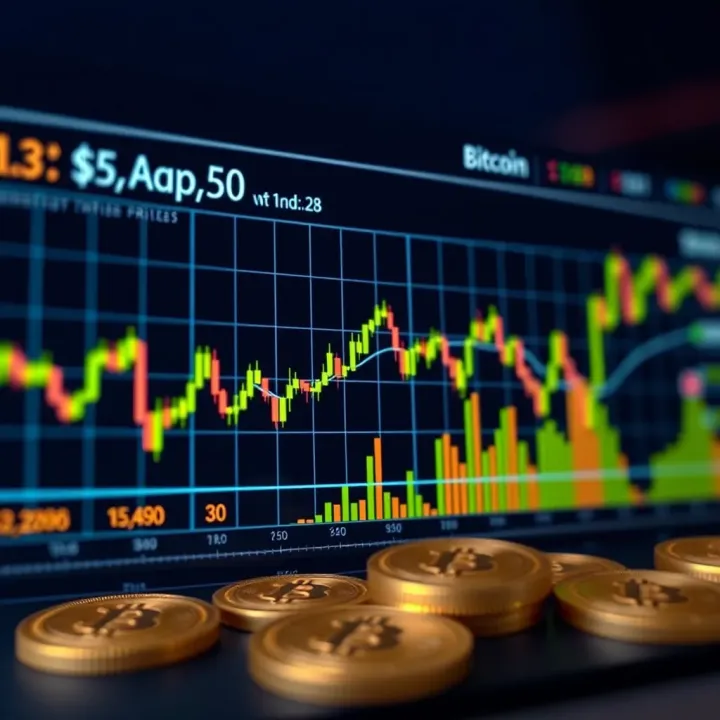
Candlestick patterns give insights beyond simple price points by showing open, close, high, and low prices within a day. Patterns like 'doji' or 'hammer' suggest indecision or possible trend flips. Traders watch these patterns closely on daily charts since they can hint at immediate price behaviour, guiding entry or exit decisions with tighter risk management.
Influence of blockchain updates and adoption plays a subtle but significant role. Take the Taproot upgrade, which aimed to improve Bitcoin’s privacy and efficiency; anticipation around such updates can cause short-term price movements as investors adjust expectations. In India, adoption trends impacting merchant acceptance or regulatory discussions often set the broader mood.
Impact of institutional investments affects daily prices through sudden large buys or sells. When a big firm announces a ₹100 crore investment in Bitcoin, sentiment shifts quickly, pushing the price up. Daily monitoring of such announcements, especially in foreign markets, can help predict short-term trends.
News and sentiment analysis reflect collective market mood instantly. For example, a sudden crack-down news by a regulator like the Securities and Exchange Board of India (SEBI) can trigger rapid sell-offs. Conversely, positive news about legal clarity or integration into financial systems encourages buying. Traders use tools parsing news and social media chatter to keep a pulse on sentiment, influencing daily price swings.
Effective daily price prediction blends these technical and fundamental insights rather than relying on one approach alone, helping investors navigate the choppy waters of Bitcoin trading with better clarity.
Monitoring Bitcoin prices daily in India helps traders and investors react promptly to market movements, particularly given the cryptocurrency's notorious volatility. Indian crypto investors benefit from timely price data to decide entry and exit points, manage risks, and spot trends unique to local market dynamics influenced by regulatory shifts, demand-supply changes, and global events.
Indian crypto exchanges like WazirX, CoinDCX, and ZebPay provide real-time Bitcoin price data tailored to Indian users, displaying prices in ₹ with direct INR trading pairs. These platforms are practical for Indian investors to get accurate local pricing, factoring in the rupee's influence and Indian market liquidity. For example, WazirX often shows prices closely tied to the INR-USD conversion rates and Indian demand patterns, so relying on global prices alone might mislead.
Mobile apps such as CoinSwitch Kuber and the official apps of major exchanges allow investors to check live Bitcoin prices and set customised alerts. Websites like CoinGecko and CoinMarketCap also present comprehensive data that includes daily trading volumes and market cap along with price charts, supporting informed decisions on the go. These apps notify investors instantly when Bitcoin crosses a price threshold, crucial for those trading within tight timeframes in India's fast-moving market.
Developers and serious traders use Application Programming Interfaces (APIs) from Indian exchanges to integrate live price feeds into their own software or trading bots. Alert services linked with APIs enable real-time notifications sent to mobiles or emails upon specific price actions or technical indicator triggers. For instance, an investor can programme alerts for sudden spikes in Bitcoin price or unusual volume surges that often precede sharp moves. These tools help cut down reaction time significantly.
Understanding candlestick charts, volume bars, and moving averages is essential for grasping daily Bitcoin price movements. Indian traders need to know how to identify trends and interpret short-term patterns like flags or triangles, which signal potential breakout or breakdown points. For example, recognising a bullish engulfing pattern on the daily chart can indicate rising buying interest within the Indian context.
Besides chart signals, daily price and volume shifts help detect whether a trend will continue or reverse. Spotting divergence between price and momentum indicators like RSI (Relative Strength Index) can warn of weakening trend strength. Indian investors watching daily charts should combine these signals with macro news — such as RBI commentary or SEBI alerts — as these frequently set off reversals in sentiment.
Relying solely on daily price changes without considering volume or ignoring the broader trend can mislead investors. Traders often mistake normal price noise for meaningful signals, leading to hasty trades. In India's volatile market, sudden spikes caused by a few large trades or regulatory rumours can distort charts. Therefore, it’s important to confirm signals across multiple indicators and avoid emotional reactions to short-term fluctuations.
Consistently tracking and analysing Bitcoin prices through reliable Indian platforms combined with sound chart reading helps investors make timely, well-informed decisions in a market full of surprises.
Predicting Bitcoin's daily price moves carries risks due to inherent market unpredictability. Traders and investors must understand these limitations to avoid losses and manage expectations. Recognising what can undermine prediction accuracy helps in crafting better strategies and guarding against sudden shocks.
Bitcoin prices often react sharply to unexpected news or events. For example, an abrupt policy change in a major economy or a sudden hacking incident at a leading exchange can trigger instant price swings. These shocks bypass typical market signals, making predictions unreliable on affected days.
Such shocks also highlight how external factors outside technical or fundamental analysis can disrupt the market. Traders relying solely on charts may be caught off guard when such unforeseen events occur, underscoring the need for constantly updated information and flexibility.
Bitcoin’s relatively unregulated market attracts speculative activity and occasional manipulation. Large holders, often called ‘whales’, can influence prices by placing significant buy or sell orders, creating volatility unrelated to underlying value.
In India, despite tightening regulations, crypto manipulation can still happen through pump-and-dump schemes, where prices are artificially inflated before a sudden sell-off. This distorts daily price trends and reduces the reliability of predictions based purely on market data.
Regulatory announcements can instantly alter market sentiment. For instance, a sudden RBI advisory against crypto transactions or an unexpected tax guideline update might cause abrupt price shifts. These moves are difficult to factor into daily predictions beforehand.
Given the evolving regulatory landscape in India, traders must stay alert to government notices and policy discussions. Ignoring potential regulatory developments can lead to mistimed trades and losses.
Short-term traders benefit from defining clear exit points before entering trades. A stop-loss helps limit downside by automatically selling if the price falls to a certain level, while take-profit locks gains once the target price is reached.
For example, if you buy Bitcoin at ₹30 lakh aiming to sell at ₹32 lakh, setting a stop-loss at ₹29 lakh prevents bigger losses if the market turns. This discipline helps avoid emotional decisions during volatile swings.
Putting all capital into Bitcoin exposes traders to higher risks from its volatility. Diversifying across other cryptos, stocks, or safer assets reduces the overall portfolio risk. In India, one might mix Bitcoin with stable mutual funds or even fixed deposits to cushion against crypto market unpredictability.
Diversification doesn’t eliminate risk but spreads it, allowing traders to stay afloat even if Bitcoin prices dip unexpectedly.
Emotions like fear and greed often push traders to buy or sell impulsively, ignoring their strategy or market data. This behaviour leads to losses, especially in a market as volatile as Bitcoin.
Sticking to a well-defined trading plan, backed by daily price predictions combined with solid risk controls, can help Indian traders resist emotional moves. Avoid chasing quick profits or panicking over sudden dips – discipline wins over time.
Effective risk management is key to navigating Bitcoin’s daily price changes. Understanding limitations and preparing for setbacks helps traders make balanced decisions rather than knee-jerk reactions.
Daily Bitcoin price forecasts can be helpful, but relying on them alone is risky. These practical tips guide investors, especially in India, to make better decisions by blending short-term predictions with broader strategies and local market realities.
Combining daily predictions with long-term strategies prevents knee-jerk reactions that often harm portfolios. For example, while a sudden dip may tempt you to sell, a clear long-term bullish outlook could suggest holding the asset instead. Storing a portion of your investment with an eye on multi-year growth cushions you against unpredictable daily swings.
Monitoring market sentiment alongside technical signals adds depth to your analysis. Technical indicators might show a buying opportunity, but if the overall market mood—shaped by social media buzz or news—is negative, caution is wiser. For instance, during major regulatory announcements in India, sentiment can shift fast, and technical tools alone may not capture the full picture.
Local regulatory updates matter a lot. India's crypto policies can change, affecting liquidity and investor confidence quickly. Staying updated on announcements from the Reserve Bank of India (RBI) or the Securities and Exchange Board of India (SEBI) helps you anticipate market shifts better. For example, when the government proposed a crypto tax in early 2022, traders quickly adjusted their strategies around the new framework.
Understanding tax implications on crypto gains is also crucial. India taxes crypto profits at 30%, plus a 1% tax deducted at source (TDS) on transactions above a threshold. Budgeting for these costs prevents surprises and helps plan trades more profitably. Ignoring tax rules can lead to penalties, eroding your actual returns.
Choosing the right timing for trades involves considering both global and local market hours. Indian investors often see higher volatility when international markets open, especially in the US and Europe. For example, Bitcoin's price may react sharply to US Federal Reserve announcements. Aligning your trading activities accordingly offers better entry and exit points, improving your chances of gains.
Use daily predictions as a guide, not a gospel. Pair them with solid strategies, legal knowledge, and market sense to navigate Bitcoin's ups and downs successfully.
By following these practical tips, investors can use daily Bitcoin price predictions meaningfully while managing risks specific to the Indian crypto space.
Explore Ethereum price trends with insights on technical analysis, market factors, and expert views. Stay informed on future movements for Indian investors 📈
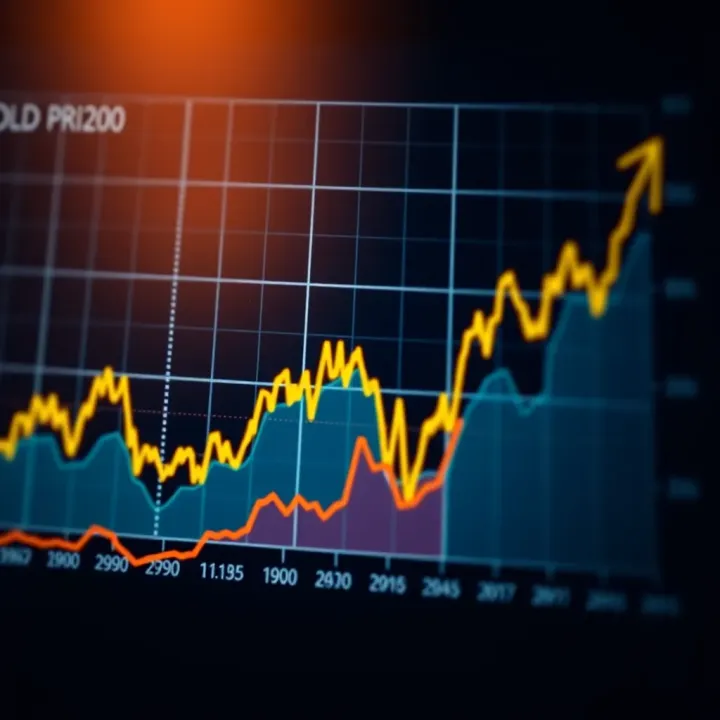
🔮 Explore gold price trends leading up to 2030 with insights on economic factors, market dynamics, and expert views tailored for Indian investors. 📈
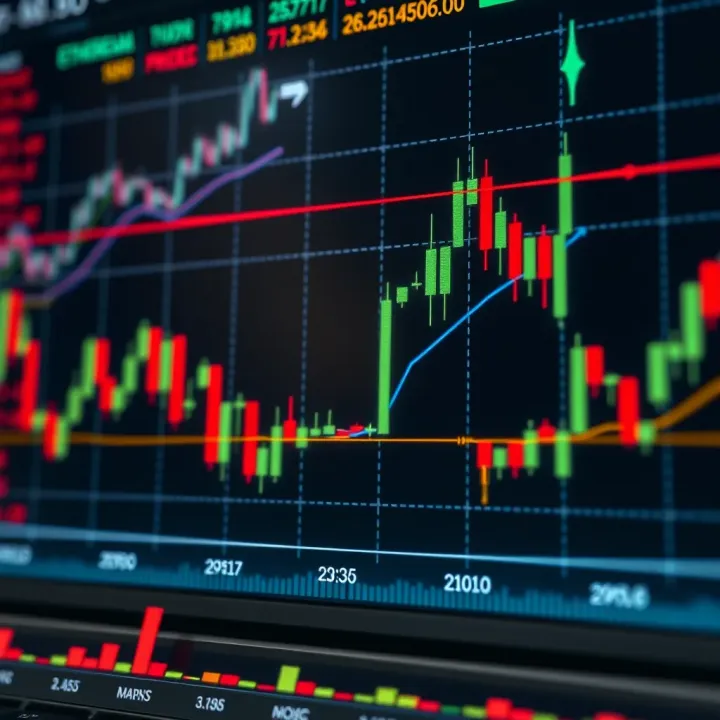
🔍 Explore Ethereum's latest price trends and market insights specifically for India. Understand key factors affecting its value and make smarter crypto choices today.

📈 Explore Ethereum's price outlook with insights on its ecosystem, market trends, regulatory impact, and how global shifts may shape its future value in INR terms.
Based on 7 reviews