

Understanding Forex Demo Accounts for Indian Traders
📊 Learn how forex demo accounts help Indian traders practise without risk, test strategies, and build confidence for real forex trading in India’s market.
Edited By
Emily Harper
Demo trading websites provide Indian traders a practical way to get hands-on experience in stock market trading without risking real money. These platforms offer virtual funds that mimic real-time market conditions, allowing users to practise buying and selling shares, commodities, or currencies exactly as they would in the live markets.
Unlike theoretical learning, demo trading helps sharpen skills by simulating real trading scenarios. For example, a trader can practice placing orders on NSE (National Stock Exchange) or BSE (Bombay Stock Exchange) without the fear of losing ₹10,000 or more, which often holds beginners back from taking actual market positions.
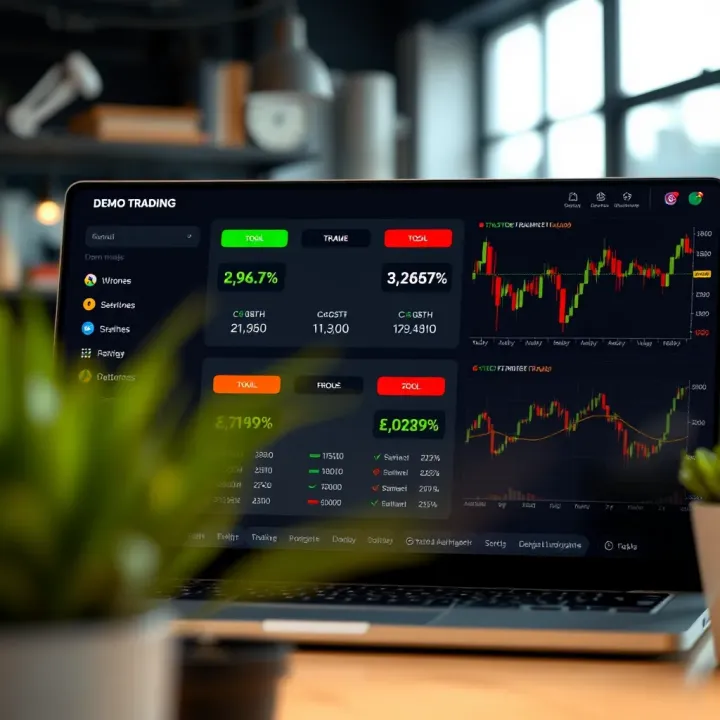
Demo trading is essentially a rehearsal stage where you test strategies, understand market behaviour, and get familiar with trading tools without any financial risk.
Learning to use trading platforms like Zerodha Kite, Upstox, or Angel Broking without complications.
Testing different strategies such as intraday trading, swing trading, or option trading before deploying real capital.
Understanding order types (market, limit, stop-loss) and how they execute in real market conditions.
Building confidence to respond to volatile market movements by seeing live price changes.
For Indian traders, demo trading sites often include familiar instruments such as stocks from Sensex or Nifty 50 and currency pairs like USD/INR, making the experience closer to reality.
Choosing the right platform means looking for features like:
Up-to-date market data aligned with Indian exchanges
Intuitive user interface suitable for beginners
Adequate virtual funds to practise with
Educational resources tailored to Indian trading norms
In short, demo trading sites help traders bridge the gap between theory and practice. They allow for mistakes to be made in a safe environment before investing hard-earned money in the real market. This practical approach can significantly reduce the steep learning curve faced by freshers and even seasoned investors trying new strategies.
Starting on a demo platform can be viewed as a stepping stone. Once comfortable, moving to real trading involves understanding margin requirements, brokerage charges, and risk management specific to Indian stock markets. Demo experiences lay the groundwork for this transition smoothly.
Demo trading websites provide a risk-free platform for traders, especially in India, to practise buying and selling financial instruments without using real money. These platforms replicate the experience of live trading by offering a simulated environment where users work with virtual funds. This setup is particularly useful for beginners who want to understand market dynamics without the fear of losing their hard-earned savings.
Virtual trading involves operating within a simulated market environment that mirrors the behaviour of real financial markets. In India, platforms like Zerodha Kite Sandbox and ICICI Direct Virtual Trading recreate the National Stock Exchange (NSE) and Bombay Stock Exchange (BSE) movements, allowing users to experiment freely. This digital practice arena helps traders grasp concepts like order placement, market trends, and price fluctuations without financial stress.
Demo accounts exist primarily to support skill development. They allow users to test out trading strategies, learn technical analysis tools, and understand how different order types work in a real-time setting. For instance, a trader can try intraday trading techniques or experiment with stop-loss orders without worrying about actual losses. By gradually mastering these skills, users build confidence before committing real capital.
Most demo platforms integrate real-time market data sourced from exchanges like NSE and BSE. This means users see price movements and market conditions closely resembling live trading sessions. This live data feed is critical since it helps traders familiarise themselves with current market volatility and trends, essential for making informed decisions later.
However, demo trading has limitations compared to live trading. Emotions like fear and greed, which significantly impact decision-making, are hard to replicate in a risk-free simulation. Moreover, liquidity constraints and slippage—common in real trading—are usually absent or inaccurately represented. For example, executing a large order on a demo platform won’t reflect potential delays or price changes seen in actual markets. Traders should remember these differences to manage expectations when transitioning from demo to live trading.
Practising on demo platforms builds a solid foundation, but understanding its boundaries ensures traders are better prepared for the challenges of real market conditions.
This foundational knowledge about demo trading websites guides Indian traders in making smarter choices about when and how to start live trading.
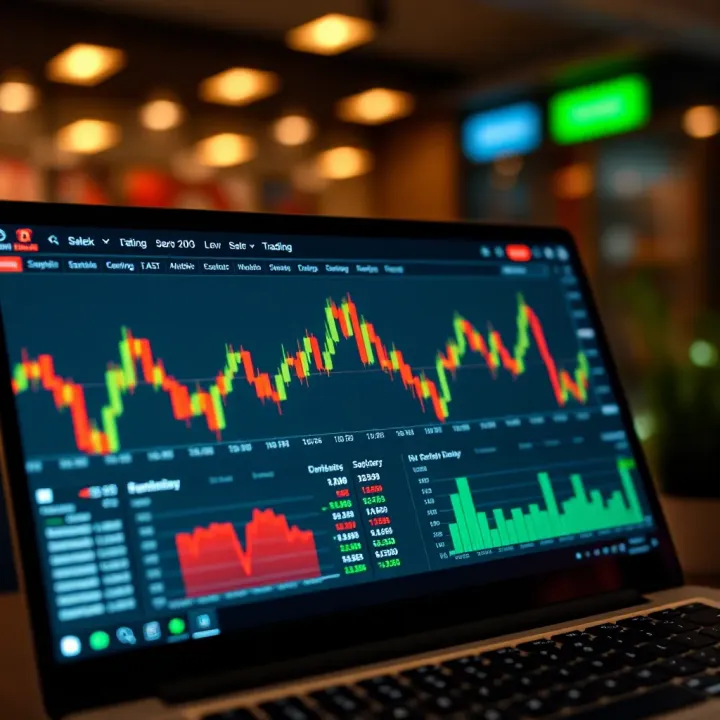
Demo trading websites offer a practical platform for traders to sharpen their skills without risking actual money. Indian market participants, whether beginners or experienced traders, can explore various trading strategies and understand market behaviour through these simulated environments.
Practising strategies without losing real money is a key advantage of demo trading. New traders, for instance, can try different entry and exit points on stocks like Reliance Industries or Tata Motors without the fear of losing their hard-earned cash. This freedom to experiment helps in refining strategies before applying them in live markets.
Understanding market dynamics goes beyond mere strategy testing. Demo accounts often provide real-time quotes and charts reflecting the actual trends on exchanges such as NSE and BSE. This exposure familiarises traders with how market orders, stop-losses, and limit orders behave under live conditions. For example, witnessing price fluctuations during the morning session on a demo account helps traders grasp volatility and volume impacts practically.
Getting used to trading platforms and order types is crucial, especially for Indian traders shifting from offline investment methods or mobile apps with limited features. Demo platforms from brokers like Zerodha or Upstox allow you to place market, limit, and stop-loss orders, giving hands-on experience with the interface and order execution flow. This familiarity reduces mistakes and hesitation when transitioning to real trading.
Testing technical analysis indicators on a demo site equips you to spot entry and exit opportunities better. For example, applying Moving Averages or Relative Strength Index (RSI) on virtual charts can reveal trend reversals or overbought conditions in stocks like Infosys or HDFC Bank. Practising with these indicators in a risk-free setting helps traders develop intuition and confidence in their technical decisions.
Using demo trading websites, Indian traders can gradually build skills, reduce emotional pressure, and enter live markets with a prepared mindset — making the learning curve less steep and more manageable.
By leveraging demo trading, you not only protect your capital but also accelerate your market understanding and platform fluency. This prepares you well for the real challenges of stock market investing.
Choosing the right demo trading platform is essential for anyone serious about learning stock trading without risking real money. A reliable platform mirrors live market conditions closely and offers useful tools to test strategies effectively. Indian traders must ensure the platform provides accurate data from local exchanges, easy navigation, and options to customise trading scenarios for better skill building.
Access to Indian stock markets like NSE and BSE is vital for demo platforms targeting Indian users. These exchanges represent the bulk of the trading volume and variety in equities, derivatives, and commodities in India. Demo accounts connected to NSE (National Stock Exchange) and BSE (Bombay Stock Exchange) allow traders to practise with the exact instruments and pricing they would encounter in real trading. For example, a trader exploring nifty futures or Bank Nifty options must see the true live quotes to understand how their chosen instruments behave.
Accuracy and freshness of data matter just as much as raw market access. Delayed or stale prices can mislead traders, causing poor learning outcomes. A delay of even a few minutes can make a big difference during volatile sessions, such as RBI policy announcements or budget updates. Reliable platforms ensure market data refreshes frequently—usually in real time or with a delay not exceeding a few seconds. This provides a realistic sense of price movements, bid-ask spreads, and volumes.
Ease of placing orders and navigating charts are basic yet crucial features. Many beginners initially fumble with complicated order entries or chart settings. Demo platforms that simplify sending market, limit, or stop-loss orders help new traders focus on their strategies rather than technology. Similarly, intuitive chart layouts with clear candlestick patterns, indicators, and timeframes make analysis quicker and less frustrating.
Beyond trading mechanics, availability of educational resources enhances skill development. Some platforms bundle tutorials, webinars, and articles that explain concepts like technical analysis, risk management, and trading psychology. These resources aid traders in connecting theoretical knowledge with practical application inside the demo environment.
Setting different trading scenarios helps prepare for a range of market conditions. For instance, a demo platform might allow you to toggle between trending, sideways, or volatile market modes. This flexibility trains you to handle uncertainty and adapt your strategies accordingly, which is essential when shifting to live markets.
Adjusting virtual funds and risk levels personalises the demo experience further. If you start with ₹5 lakh virtual capital but plan to trade with ₹50,000 live, simulating smaller portfolios can provide more relevant practice. Similarly, tweaking risk parameters—like maximum capital allocation per trade—helps develop disciplined money management habits. These custom settings prevent overconfidence and reinforce prudent trading behaviour.
A good demo trading website not only replicates market data but also offers user-friendly tools and flexibility that simulate real-life trading stresses and scenarios effectively.
Demo trading platforms play a key role in helping Indian traders practise without risking real money. Choosing the right platform matters because it affects how closely you experience actual market conditions. With many options available, it helps to focus on platforms that offer good real-time data, usability, and relevant features for Indian markets.
Zerodha Kite Sandbox is one of the most popular demo trading platforms among Indian retail traders. It replicates the actual Zerodha Kite interface, so users get a hands-on feel for live trading. This platform uses data from the National Stock Exchange (NSE) and Bombay Stock Exchange (BSE), allowing traders to test orders, view charts, and apply technical indicators just like in the real market. For beginners, this makes it easier to get accustomed to online trading without any financial risk.
Upstox Pro Demo is another well-liked platform that caters to active traders. Its demo account mirrors the Upstox web and mobile trading apps, offering real-time prices on equity, commodities, and currencies. This breadth of instruments lets users experiment with different segments before committing actual funds. The interface is straightforward, supporting various order types and features like margin calculations, helping traders understand platform mechanics effectively.
ICICI Direct Virtual Trading targets investors who prefer dealing with a full-service brokerage. Its virtual trading platform simulates live market scenarios with access to NSE and BSE equities, mutual funds, and derivatives. ICICI Direct’s demo stands out for integrating research reports and advisory tools, helping users practice informed decision-making. This makes it suitable for those who want to combine technical skills with fundamental analysis.
When it comes to data coverage and instrument variety, Zerodha Kite Sandbox and Upstox Pro Demo offer extensive access to Indian equities along with futures and options. However, Upstox tends to provide a wider spread of commodity and currency instruments. ICICI Direct tends to include broader financial products like mutual funds and bonds, which the other two lack, but sometimes data updates feel slower.
Regarding mobile app usability and customer support, Upstox shines with its slick mobile app experience that closely mimics the live trading environment, which helps traders practise on the go. Zerodha Kite Sandbox also has a strong web interface but lacks a full-fledged mobile demo app. ICICI Direct's virtual trading platform, while comprehensive, can feel a bit overwhelming due to its complex layout, especially on mobile. Customer support for Zerodha and Upstox demo users is typically prompt and helpful, whereas ICICI Direct’s demo customer service is sometimes patchy.
Choosing a demo platform that aligns with your trading style and offers reliable market data can save you from surprises when shifting to live trading.
By understanding the specific benefits and limitations of Zerodha, Upstox, and ICICI Direct, Indian traders can pick a demo website that suits their needs and prepares them effectively for real-market challenges.
Demo trading can be a solid step before investing real money in the stock market. However, merely practising orders on these platforms won't improve your trading skills unless you use them wisely. Setting clear goals and understanding the shift from virtual to live trading are key to making demo trading genuinely useful.
It’s crucial to tailor your demo trading experience around your actual investment preferences. For example, if you are a conservative investor who prefers long-term holds, trying out rapid day-trading tactics on a demo platform won't prepare you well. Instead, practise placing buy-and-hold orders or focus on swing trades aligned with Indian market trends, like Tata Motors shares or Nifty index funds. This focused approach reflects real conditions better, providing insights into your strategy’s performance without real financial pressure.
Demo accounts are perfect for experimenting with risk controls. Try using stop-loss orders or position sizing strategies to limit potential losses in your practice trades. For instance, if you only want to risk 1% of your virtual capital on a trade in the volatile stock like Adani Enterprises, simulate this precisely. Developing a habit of managing risk during demo trading helps build discipline and prepares you for real market unpredictability.
One of the biggest challenges is handling emotions when actual money is at stake. Unlike demo trading where losses don't hurt your pocket, live trading often triggers fear or greed, which can cloud decisions. For example, you may hesitate to sell a losing stock in live conditions, hoping it bounces back, while demo trades might have shown you the importance of cutting losses early. Also, real trades may affect market liquidity or prices, especially in less liquid Indian stocks, a factor absent in demo environments.
The aim is to translate demo experiences into a steady, methodical trading routine. Adopt the strategies tested on demo platforms while staying aware of psychological pressures in live markets. Maintain a trading journal logging your trades, thoughts, and outcomes during demos, then review and adjust before trading with real funds. This practice helps identify patterns and mistakes, shaping a consistent style suited to your risk appetite and market conditions.
Remember, demo trading is not just about practising trades — it's about building habits that survive live market pressure and help you trade wisely with real money.
By focusing on realistic goals and preparing mentally for live conditions, you make demo trading a valuable part of your journey as an Indian trader.
📊 Learn how forex demo accounts help Indian traders practise without risk, test strategies, and build confidence for real forex trading in India’s market.

📈 Explore CFD trading basics, strategies, risks & rewards for aspiring traders in India. Get insights on tools, regulations & tips to start smart trading today!
Learn how demo trading in India helps build skills with virtual money on popular platforms, offering a risk-free way to prepare for real stock market investments 📈💡

💹 Explore demo forex trading to practise currency trades risk-free, understand market movements, test forex strategies, and avoid pitfalls, especially for Indian traders.
Based on 15 reviews