

Inside the World’s Wealthiest Traders
Explore the profiles & strategies of the world's richest traders 💰, learn their risk management & markets they dominate 🏦. Discover their trading secrets!
Edited By
Ethan Parker
Indian financial markets have grown rapidly over the last two decades, drawing increasing attention from individual and institutional traders alike. The stock market, forex, and commodities arenas offer vast opportunities, but succeeding requires skill, discipline, and insight.
Several traders from India have managed to carve a niche for themselves through unique strategies, persistence, and deep market understanding. Their journeys provide valuable lessons not just on techniques but also on handling risks, emotions, and market cycles.
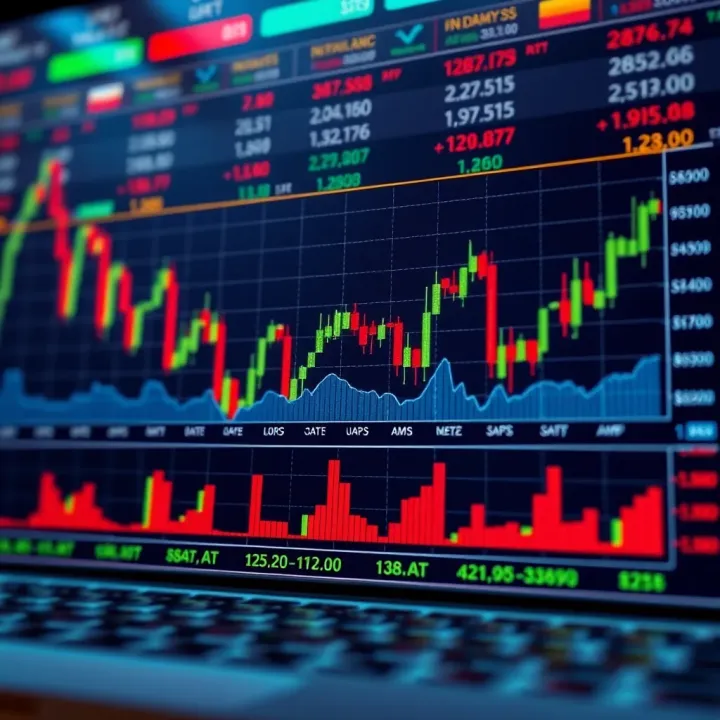
The common thread among India's leading traders is adaptability — they keep evolving their methods in line with changing market dynamics, regulations, and technologies.
This article profiles some of the best traders in India, exploring how they strategise, the markets they focus on, and the traits that set them apart. Understanding their approach helps new and experienced traders alike hone their skills and make more informed decisions.
Focus on Research: Top traders invest heavily in studying market trends, economic indicators, and company fundamentals rather than relying on tips.
Risk Management: Successful traders never risk more than they can afford to lose; many use stop-loss orders and position sizing to protect capital.
Emotional Control: Market volatility tests patience and discipline; the best traders avoid impulsive decisions driven by fear or greed.
Use of Technology: From algorithmic trading to mobile apps like Zerodha and Upstox, these experts embrace digital tools to improve execution speed and data analysis.
Many Indian traders specialise in one or more of these:
Equity Markets: Focused on Sensex and Nifty stocks, blending intraday trading with medium-term positional bets.
Forex Trading: Leveraging currency pairs, especially the USD/INR rate, with attention to RBI policies.
Commodity Futures: Trading gold, crude oil, and agricultural commodities based on supply-demand factors and geopolitical events.
Through these segments, they deploy varied approaches like technical analysis, fundamental analysis, and statistical models tailored to evolving market conditions.
In the next sections, you will meet some of these leading market experts, uncover their trading philosophies, and see how you can adapt their insights for your own success in the vibrant Indian markets.
Understanding the profiles of prominent Indian traders is crucial for anyone aiming to navigate the country's complex financial markets. Their individual trading approaches and success stories offer valuable lessons on market behaviour, risk management, and strategy execution. By examining specific traders' methods and philosophies, readers can draw practical insights directly applicable to their own trading journeys.
Indian equity markets have witnessed remarkable contributions from traders such as Rakesh Jhunjhunwala, who combined a long-term investment mindset with a strong pulse on market sentiments. His focus on identifying undervalued stocks for sustained growth exemplifies value investing within the Indian context. Similarly, Porinju Veliyath is known for his contrarian approach, selecting small and mid-cap stocks overlooked by mainstream investors, demonstrating how distinct strategies can succeed in varied market segments.
These traders emphasise thorough research, understanding sectoral cycles, and sometimes embracing calculated risks that align with market trends. For instance, Rakesh Jhunjhunwala’s portfolio often reflected confidence in India’s infrastructural growth, while others like Vijay Kedia focus on identifying emerging companies with strong management teams and potential for volume-led growth.
These equity traders do more than just create wealth for themselves; they influence market psychology and behaviour. Large trades by well-known figures can shift stock prices and attract or deter retail investor participation. For example, Jhunjhunwala’s public endorsements gained widespread media attention, leading to a ripple effect on stock demand.
Moreover, their investment choices often highlight sectors poised for growth, helping to set market trends. The emphasis on transparency and long-term commitment by these traders has also raised the credibility of equity markets among the Indian investing public.
Forex trading in India involves dealing with currency pairs and requires sharp attention to geopolitical events and macroeconomic indicators like the RBI's policy moves. Traders such as Raghu Krishnan have built reputations by carefully analysing currency trends and global economic data to time their trades effectively. They tend to use technical tools like Fibonacci retracements, alongside the fundamental outlook on the rupee's strength, to position themselves advantageously.
Since forex markets are highly volatile, these traders excel in quick decision-making and maintaining disciplined risk controls, ensuring losses don’t spiral out of control. Their performance offers practical benchmarks for traders wanting to understand how to manage high-leverage environments responsibly.
India’s commodity markets, including gold, silver, and crude oil, attract traders who often blend fundamental analysis with seasonal trends. Experts like Kishor Tiwari focus on demand-supply cycles sensitive to factors such as monsoon patterns affecting agricultural commodities.
Strategies here include tracking government policies on exports and imports, storage statistics, and global commodity price movements. Successful commodity traders stress the importance of timing entry and exit points precisely, combining chart patterns with news flow to safeguard profits.
Learning from these traders’ profiles helps aspiring investors grasp how different asset classes require tailored strategies, whether in stocks, forex, or commodities. Each market has unique nuances, and understanding the experts’ approaches sheds light on practical, actionable methods for success.
Successful Indian traders rely on a blend of strategies that combine technical insights, fundamental understanding, and strict risk management. These approaches enable them to navigate the often volatile Indian markets, adapt to economic changes, and protect their capital. Understanding these core methods gives aspiring traders a roadmap to follow, while allowing experienced traders to refine their approach.
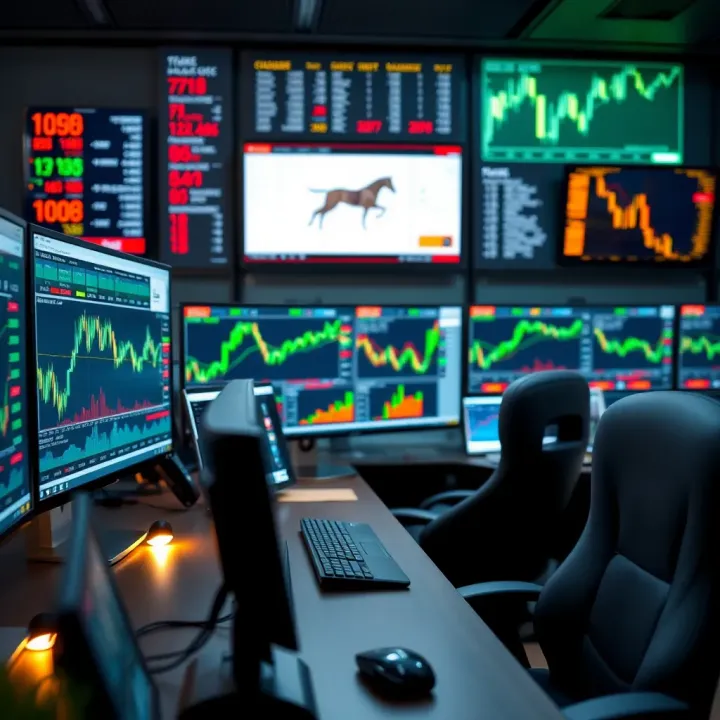
Technical analysis forms the backbone of many Indian traders’ daily decisions. Tools like candlestick charts, moving averages, and trend lines help in spotting price patterns and momentum shifts. For instance, traders often use moving averages across different time frames—say 20-day and 50-day—to identify trend strength or reversal points on NSE or BSE-listed stock charts.
Another popular tool is the Relative Strength Index (RSI), which highlights overbought or oversold conditions, giving traders cues to enter or exit positions. These instruments provide a clearer picture than just looking at price moves alone, enabling decision-making grounded in market behaviour instead of guesswork.
Leading traders in India usually combine indicators like MACD (Moving Average Convergence Divergence) and Bollinger Bands with volume analysis. MACD helps identify trend direction and potential buy or sell signals, while Bollinger Bands track volatility and help spot price breakouts or consolidations.
Volume analysis plays a key role too, as strong volume during a price move confirms its validity. For instance, sudden price spikes in Reliance Industries shares with accompanying high volume often signal genuine market interest rather than temporary fluctuations.
Top traders pay close attention to India-specific economic indicators such as GDP growth rates, inflation figures, and RBI policy announcements. These events directly influence market sentiment and sectors; for example, a repo rate cut by RBI often rallies banking and real estate stocks.
Company earnings are equally important. Quarterly results announced by major corporates like HDFC Bank or Tata Motors provide insights into business health. Traders analyze these results to gauge sustainability and growth potential before taking long positions.
Unlike short-term chart-focused trades, fundamentals work best for long-term investing. Traders looking to hold for months or years consider factors such as management quality, debt levels, and sector outlooks. For example, firms with robust cash flows and growing market share in essential sectors like FMCG or pharmaceuticals tend to attract patient capital.
Fundamental analysis helps traders avoid speculative traps, anchoring decisions on real economic progress and competitive advantages.
Good traders never risk too much on a single trade. Position sizing ensures that even if a trade goes wrong, losses remain manageable. For example, many Indian traders limit risk to 1–2% of their trading capital per trade.
Stop-loss orders are a vital tool, automatically closing a losing trade at a pre-decided level. Setting a stop-loss below a recent support level prevents small losses from ballooning, especially in fast-moving markets.
Traders frequently encounter emotional challenges: fear, greed, and impatience can easily derail plans. Discipline—sticking to the trading plan and risk limits—keeps these in check.
Emotional control allows traders to accept losses without panic and avoid chasing markets impulsively. Those who master these qualities often sustain profits over time, as hasty decisions usually lead to repeated mistakes.
Good strategies without discipline and risk control often result in erosion of trading capital.
In summary, combining technical tools, fundamental insights, and robust risk management creates a solid foundation for successful trading in Indian markets. Aspiring professionals can take cues from these strategies to refine their own trading approach and improve outcomes.
Successful traders share certain traits that set them apart in the high-pressure world of financial markets. These qualities help them navigate volatility, stick to their plans, and continuously improve. In India’s dynamic markets, these traits play a key role in consistent performance and longevity.
Waiting for the right setups is perhaps the most challenging aspect for many aspiring traders. The best traders know that it pays to be selective rather than jump into trades impulsively. They wait for clear signals based on their strategy—whether it’s a technical pattern or fundamental trigger—before putting money on the line. For example, a stock trader in the Indian equity market might wait for a stock to break its resistance with strong volume instead of entering early and risking a false breakout.
Avoiding impulsive decisions helps traders control emotions, especially during sharp market moves. Markets often tempt quick reactions that lead to mistakes like panic selling or chasing after momentum. Experienced traders stick to their predetermined exit and entry rules, avoiding the trap of overtrading or revenge trading. This discipline reduces costly errors and preserves capital, crucial for long-term success.
Adjusting strategies with market shifts is vital since markets are rarely static. A trader who thrived during a bull market might struggle when volatility spikes or liquidity dries up. India’s markets can move abruptly around monsoons, policy announcements, or global events, requiring nimbleness in approach. Leading traders recalibrate their models or switch between day trading and positional trading depending on conditions.
Learning from mistakes separates seasoned traders from novices. Every loss or wrong call is analysed deeply for clues on what went wrong. Instead of ignoring errors, top traders keep detailed journals and refine their frameworks, preventing repeat mistakes. This iterative process makes them steadily better over time, even in unpredictable environments.
Staying updated with market trends is essential for traders to maintain an edge. Market dynamics change swiftly in India, influenced by government policies, corporate earnings, and global events like crude oil price fluctuations. Traders who regularly review news, RBI announcements, and sectoral performances can anticipate shifts and spot new opportunities.
Utilising technology and data further equips traders for informed decisions. Platforms like NSE India and MCX provide real-time data, while analytical tools help scan markets quickly. Indian traders also benefit from mobile apps offering instant alerts and analytics on the go, making it easier to adapt to fast-moving markets. This tech-savvy approach transforms mountains of data into actionable insights.
Consistently applying these traits helps Indian traders not only survive but thrive amid complex market conditions, turning challenges into opportunities for growth and profit.
Learning from established traders is vital for anyone starting to trade in India’s financial markets. Experienced traders provide practical wisdom that goes beyond textbooks. Their insights into strategies, market behaviour, and risk management offer a shortcut to understanding real-world trading challenges.
Mentorship gives aspiring traders direct access to someone who has navigated market ups and downs. This hands-on support helps avoid common pitfalls, especially in volatile markets like the NSE or MCX. A mentor’s feedback on trades, techniques, and behavioural aspects of trading often makes the learning curve less steep. For example, many expert traders recommend waiting for confirmed signals before entering a trade, advice that is easier to grasp with real-life examples from a mentor.
Indian traders benefit from active online communities, such as Trading Q&A on platforms like Moneycontrol or dedicated Telegram groups focused on NSE and BSE stocks. These spaces offer peer support, quick sharing of market news, and discussion of strategies. For instance, communities discussing derivatives trading often exchange option strategies during earnings season, helping members learn timing and risk control. Being part of such groups keeps traders connected with current market trends and issues.
A solid trading plan starts with goals that account for one's risk appetite and time commitment. New traders often expect fast profits, but realistic targets like 5–10% annual returns through systematic investment plans (SIP) in equities can sustain motivation. Goal-setting helps maintain discipline, preventing emotional decisions during market swings, especially in unpredictable commodity markets.
Before risking real money, backtesting strategies on historical data and practicing on demo accounts helps refine entry-exit rules. Platforms like Zerodha Kite offer charting tools with backtesting features. Practising with virtual money familiarises traders with market orders and real-time decision-making without financial stress, building confidence to handle live conditions.
Today’s Indian traders rely heavily on technology for speed and accuracy. Software like Zerodha Kite, Upstox, and Angel Broking app provide user-friendly interfaces for order placement and chart analysis. Their mobile apps offer notifications and quick access to NSE and BSE prices, enabling traders to react swiftly to market developments, which is essential for short-term intraday trading.
Indian exchanges are well integrated into trading platforms, giving direct market access (DMA) for stocks, futures, options, and commodities. This means traders can diversify portfolios by trading in indices like Nifty 50, individual stocks, or commodities such as gold and crude oil on MCX. Accessible order types, including stop-loss and cover orders, help in managing risk systematically.
Following expert guidance, building a tested plan, and using reliable technology create a strong foundation for trading success in Indian markets.
The trading environment in India is heavily influenced by regulatory frameworks and market infrastructure. Together, they create a safer and more efficient landscape for traders and investors. Understanding these elements helps traders navigate Indian markets better, ensuring informed decisions and risk mitigation.
Regulations that shape trading practices
The Securities and Exchange Board of India (SEBI) is the key regulator overseeing securities markets in India. It establishes rules that promote transparency, fairness, and accountability among brokers, investors, and listed companies. For example, SEBI's strict norms for insider trading and price manipulation help maintain market integrity. These regulations directly impact how traders execute transactions and assess market data, fostering trust in the financial ecosystem.
Investor protection initiatives
SEBI also focuses on protecting investors through initiatives like the Investor Protection Fund, which compensates clients if a member broker defaults. It mandates detailed disclosures and corporate governance standards from firms, helping traders access reliable information. Additionally, SEBI conducts awareness campaigns and grievance redressal programmes, empowering retail traders to safeguard their investments better.
Advancements in online trading
The rise of internet and mobile technology has transformed trading in India. Platforms like Zerodha, Upstox, and ICICI Direct offer user-friendly apps with real-time data, low brokerage, and quick order execution. This accessibility has lowered entry barriers, encouraging more individuals to participate in equity, commodity, and forex markets. With advanced charting tools and AI-driven insights integrated into these platforms, traders can perform in-depth analysis right from their smartphones.
Effect of initiatives like India Stack
India Stack, a set of government-backed digital infrastructure layers, streamlines financial transactions and KYC (Know Your Customer) processes critical for trading accounts. Aadhaar-based e-KYC drastically reduces paperwork, speeding up account openings. UPI integration enables faster fund transfers between bank and trading accounts. This seamless digital ecosystem simplifies compliance and payments, allowing traders to focus more on market strategies rather than administrative hurdles.
A modern regulatory framework combined with cutting-edge infrastructure encourages more participation and confidence among Indian traders, ultimately contributing to healthier market dynamics.
In summary, SEBI's regulations provide a trusted environment while infrastructural advances open doors for wider market engagement. Both factors are essential for anyone looking to trade successfully in India's fast-evolving financial markets.
Explore the profiles & strategies of the world's richest traders 💰, learn their risk management & markets they dominate 🏦. Discover their trading secrets!
Discover top forex traders' wealth secrets 💰, insights into their strategies 📈, and tips for success in the dynamic forex market 🌍.
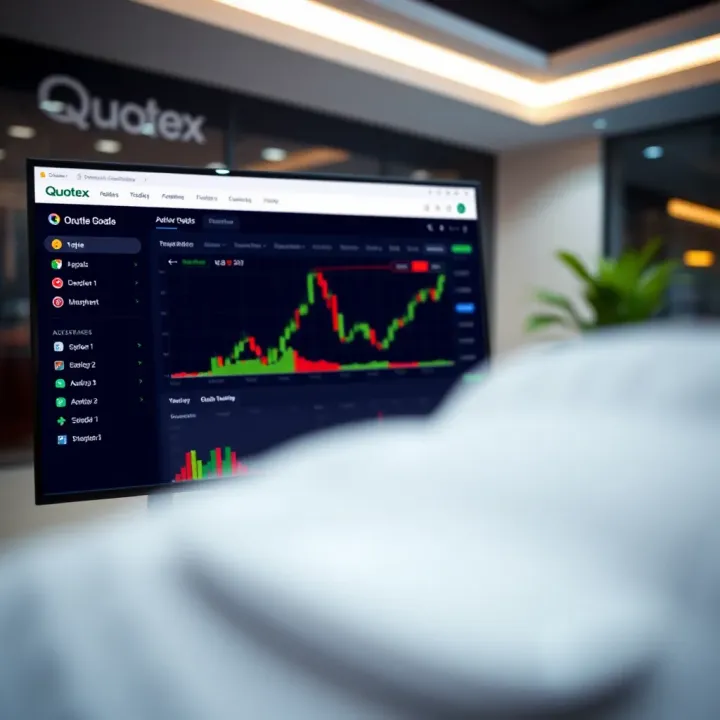
Discover how Quotex helps Indian traders with easy account setup, powerful tools, secure withdrawals, and clear pros and cons. Start trading confidently! 📈💰

📊 Learn about Quotex withdrawal times, payment options, and verification steps. Get tips to ensure smooth, hassle-free payouts for traders in India! 🇮🇳
Based on 6 reviews