
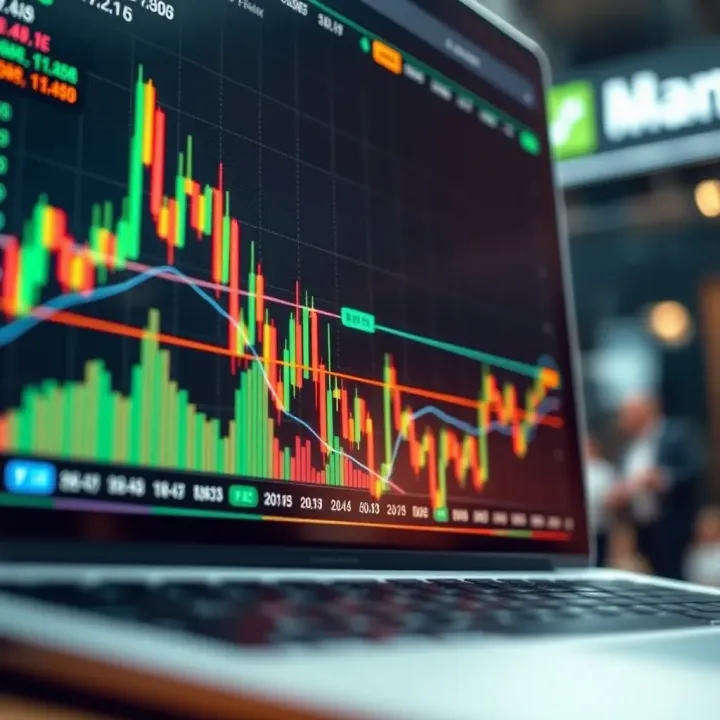
Understanding Forex Demo Accounts for Traders
📊 Explore forex demo accounts as a safe space to build trading skills, understand markets, avoid mistakes, and smoothly shift to live trading with confidence.
Edited By
Charlotte Davies
A demo trading account in forex is a tool that lets traders practise buying and selling currencies without risking real money. This type of account uses virtual funds and mirrors real market conditions closely, enabling users to gain experience in how forex markets move, how to place trades, and how to manage risks effectively.
For example, someone new to forex trading can use a demo account to understand how currency pairs like USD/INR or EUR/USD fluctuate throughout the day without the stress of losing ₹₹₹. It’s a safe playground to learn order types, test trading strategies, and get familiar with trading platforms like MetaTrader 4 or 5.

Demo trading accounts offer these key features:
Virtual Capital: Usually between $10,000 and $100,000 in fake money to trade with.
Real-time Data: Access to live forex prices, helping users practise under true market conditions.
Full Platform Access: Use the same trading tools, graphs, and indicators available in live accounts.
Demo trading helps you build your skills and confidence before risking real capital. It cuts the common beginner errors out of live trading and accelerates your learning curve.
It’s also useful for experienced traders who want to try new strategies or explore unfamiliar currency pairs. Since market conditions change fast, practising with a demo account means you can adapt your plans without financial risk.
Overall, demo trading accounts are an essential step. They support practical learning and help traders develop sharper decision-making — critical aspects before transitioning to live forex trading. Whether you are a newcomer or a seasoned trader experimenting with new tactics, a demo account offers a risk-free environment to enhance your trading skills.
For anyone stepping into forex trading, a demo trading account offers a vital first step. It creates a space where you can understand the market dynamics, familiarise yourself with trading platforms, and test strategies without risking real money. This section unpacks the concept of demo accounts and why they matter for both beginners and seasoned traders alike.
A demo trading account mimics real forex trading but operates on a simulated platform. It features actual market prices and charts updated in real time, allowing you to experience how currencies like the US dollar and Indian rupee move against each other without any financial exposure. For example, you might place a trade on EUR/USD and watch how your virtual investment performs as if you were in the actual market. This setup helps you understand order types, such as market or limit orders, and the impact of spreads without dealing with real stakes.
Because your funds here are virtual, you can practice trading without fearing losses. This risk-free setup is crucial when you are still getting a grip on concepts such as leverage, margin calls, and price volatility. For instance, during volatile hours when the forex market swings considerably, a demo account lets you test your reaction and strategy without financial damage. It’s like training on a flight simulator before taking controls of an actual plane.
Unlike live accounts that require depositing actual money, demo accounts operate solely with virtual balance. This means any profits or losses exist only on paper. While this removes financial risk, it also means your psychological attachment to trading decisions is different. You might take risks in demo trading that you’d avoid in live markets since there’s no real money at stake.
Trade execution in demo platforms may not fully capture live market conditions. For instance, slippage—the difference between expected and actual trade price—occurs in live trades but rarely shows accurately in demo accounts. Plus, emotional challenges like fear, greed, or hesitation are muted since no real money is involved. This affects how you might react in live trading, where psychology plays a big role in decision-making and discipline.
A demo trading account is the closest you get to real trading without the financial risks, making it an essential tool for honing skills before jumping into the live forex market.
Demo accounts give you the chance to experience forex trading’s technical and emotional aspects safely. By understanding their limitations and strengths, you can use them as a stepping stone to live trading with more confidence and better preparation.
A forex demo account offers practical advantages that every trader should explore before entering live markets. By simulating real trading conditions without risking actual funds, it allows users to grasp essential market concepts and hone their skills. Traders can build confidence and familiarity with currency trading dynamics, helping avoid costly beginner mistakes.
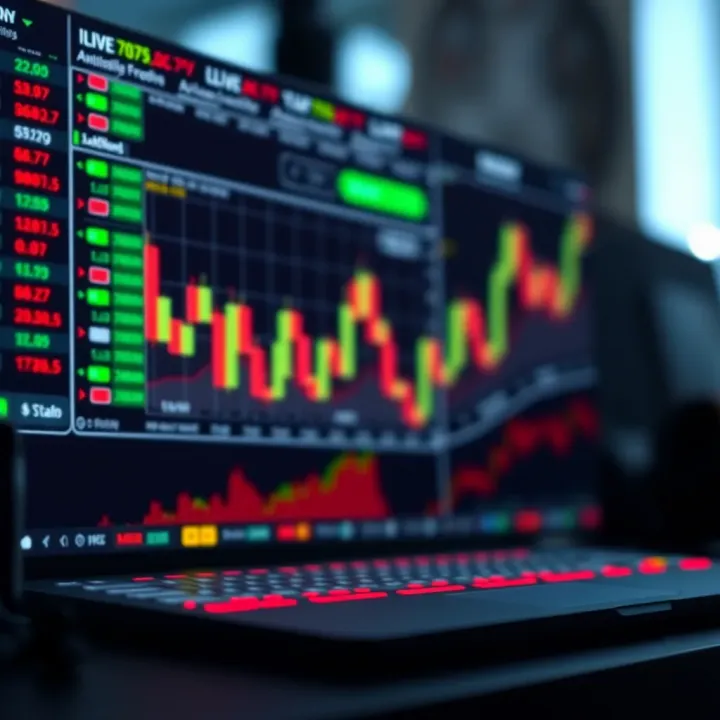
One of the main benefits is understanding how currency pairs and price movements interplay. For example, learning how the USD/INR pair reacts to economic reports or RBI policy changes is easier when you observe movements without the pressure of real money loss. Demo trading helps you recognise common forex terms like "pip," "spread," and "leverage," linking these to actual market behaviour.
Plus, navigating trading platforms and using tools is crucial. Platforms like MetaTrader 4 or 5 provide charts, indicators, and order types; practising with a demo account lets you experiment with these features. You can test placing stop-loss or take-profit orders and see how they protect or lock in gains, all with zero financial risk. This familiarity makes shifting to live accounts smoother, as you already know the platform layout and key functions.
Demo accounts are perfect for backtesting and forward testing trading strategies. Backtesting means reviewing how a strategy would have performed on past data — for example, checking how a moving average crossover system worked over the last six months during volatile or calm markets. Forward testing involves applying this strategy in the current market using the demo account to observe real-time effectiveness.
Adapting to changing market conditions is another vital use. Markets rarely behave the same; there are fluctuating trends, news shocks, and shifts during different sessions such as London or New York. A demo account allows you to adjust your approach during such varying scenarios without risking capital. For instance, you might discover that a scalping strategy works best in volatile times but needs tweaking for quieter periods. Practising this adjustment live strengthens your readiness for the real forex environment.
Practising in a demo environment builds the muscle memory and insight needed to trade with confidence, reducing rookie errors while preparing you for the emotional swings of real trading.
In short, using a demo forex account is more than just "pretend trading"; it’s a critical stage for mastering markets, tools, and strategies under risk-free conditions. This step helps ensure you're ready to face the live forex world, prepared and with a tested plan.
Opening and using a forex demo account is a practical step for traders who want to gain hands-on experience without risking real money. Knowing how to set up and operate these accounts helps build confidence and familiarises one with trading platforms and market dynamics. Let's break down the process into manageable parts, starting with choosing the right broker.
A trustworthy broker is the foundation of a good demo trading experience. It's sensible to pick a broker regulated by recognised authorities, such as the Securities and Exchange Board of India (SEBI) or international bodies like the Financial Conduct Authority (FCA) in the UK. Regulation assures you that the broker follows certain standards and safeguards your privacy and data. For instance, brokers like ICICI Direct and Zerodha are popular in India for their regulatory compliance and transparent operations.
The trading platform offered by the broker should be user-friendly and rich in features. Look for platforms that offer real-time price data, technical indicators, and easy order execution. Support is equally important; responsive customer service can help resolve registration or technical issues quickly. Many brokers now provide demo accounts on MetaTrader 4 or 5, which are widely used for forex trading due to their stability and advanced tools.
Registering for a demo account typically requires minimal information, such as your name, email, and phone number. Some brokers ask for this info only, making the process quick and hassle-free. For example, Axis Direct allows immediate demo access after filling a simple form. This quick registration means you can start practising within minutes of deciding to learn forex trading.
Demo accounts come loaded with virtual funds, often between $10,000 and $100,000, which you can use for practising trades. You can usually customise this amount based on your comfort level or trading style. Besides fund settings, you might be able to choose your preferred currency pairs or trading leverage, allowing you to simulate conditions close to live trading. This flexibility helps you test strategies meaningfully.
A demo account allows you to place buy (long) and sell (short) orders just like in live markets. Practising order execution teaches you how to act quickly and comfortably under changing market conditions. For instance, executing a sell order on EUR/USD when you expect the euro to weaken helps you understand market timing and price movements. Repeated practise reduces errors like placing wrong lot sizes or confusing order types.
Managing risk is a vital skill in forex trading. Demo accounts help you understand placing stop-loss and take-profit orders to limit losses or lock in profits. Imagine you buy GBP/USD at 1.3000; setting a stop-loss at 1.2950 limits potential loss to 50 pips. Similarly, a take-profit at 1.3100 secures gains if the price rises. Practising these orders in a demo helps you appreciate risk management without the pressure of real money.
Using a demo account effectively means not just clicking buttons but understanding the why behind each trade step. This approach makes the eventual shift to live trading smoother and less stressful.
By focusing on these practical steps—selecting a reliable broker, setting up your demo account carefully, and practising trades with risk management—you can make the most of your demo trading experience. This groundwork builds the skills needed to trade confidently when you decide to move to live forex markets.
Demo trading accounts in forex serve as an excellent starting point for beginners to understand market basics and test strategies without risking real money. However, they come with certain limitations that can affect how well they prepare traders for live market conditions. Recognising these gaps is vital to ensure smooth progression to actual trading.
Differences in risk perception: In a demo account, traders work with virtual funds, which removes the fear of losing actual money. This absence of financial risk alters the trader’s mindset significantly. For instance, when trading ₹5 lakh in a demo, a trader may take larger or riskier positions compared to live trading. Such behaviour rarely translates accurately to real markets because the emotional attachment to money is missing.
Impact on decision-making: Emotional pressure influences decisions heavily in live trading. Demo trades are free from anxiety, which often leads to overconfidence or risk-taking that wouldn't occur with actual funds. For example, a trader may ignore stop-loss rules in demo accounts just to see what happens, but when real money is involved, the same trader may hesitate or second guess every step. This can make the shift from demo to live challenging if emotional control has not been practised alongside technical skills.
Slippage and order execution speed: Demo accounts generally execute trades instantly at displayed prices without slippage—the difference between expected and actual execution price. In real markets, especially during volatile hours like the London or New York open, slippage can be common. If a trader enters a buy order at ₹75.50 but the market instantly moves to ₹75.60, that difference affects profitability. Demo trading cannot simulate such fluctuations, meaning traders may underestimate execution risks.
Market conditions not fully replicated: Market liquidity, spreads, and sudden economic news impact live trading but rarely appear in demo platforms with the same effect. For example, during unexpected RBI announcements or geopolitical events, spreads can widen drastically, and orders might face delays or partial fills. Demo accounts usually present smoother, more predictable market conditions, which can create a false sense of trading ease.
Demo accounts are valuable learning tools, but traders need to be aware they do not reflect the full realities of live forex markets, especially emotional and execution-related challenges.
Understanding these limitations helps traders prepare better, combining demo practice with cautious exposure to live conditions when ready.
Moving from a demo trading account to live forex trading marks a significant step for any trader. The demo environment provides a risk-free space to hone skills, but actual trading demands readiness in strategy, risk understanding, and emotional strength. This transition should not be rushed; doing so without preparation can lead to unnecessary losses.
Consistent strategy success is the first indicator that a trader might be prepared for live trading. When your approach in the demo account repeatedly yields positive returns over various market conditions and timeframes, it suggests robustness in your strategy. For instance, if a trader successfully executes an intraday trend-following technique for several weeks without major drawdowns, this consistency flags readiness to test it with real money.
However, success in a demo account needs careful interpretation. Demo trades lack real financial consequences, and traders may unconsciously take more risks. Observing your strategy’s performance over different market phases—including volatile and stable periods—helps ensure it’s not just fitting to one market type.
Understanding market risks is equally vital before transitioning. Live forex trading exposes you to risks not fully experienced in demo, such as slippage, requotes, and sudden news-driven volatility. Knowing how these risks affect trade execution and margins will prepare you better. For example, being aware that a major economic announcement can widen spreads and trigger stop-loss orders can encourage better timing and position sizing.
Experienced traders also emphasise the need to understand leverage and margin calls. Unlike demo accounts, losing real money can affect your psychological state and alter decision-making dynamics.
Risk management techniques form the backbone of successful live forex trading. While demo accounts let you place trades without real consequences, managing your capital in live markets demands strict discipline. Techniques like setting stop-loss and take-profit levels, limiting your risk to a small percentage of trading capital per trade (commonly 1-2%), and diversifying trades are crucial. For example, positioning a stop-loss at 1% risk per trade helps preserve capital even during losing streaks.
Moreover, adhering to a trading journal to log trades, outcomes, and lessons can sharpen your risk controls and help identify recurring mistakes.
Controlling emotions and discipline becomes a major challenge in live trading. Fear of losing ₹10,000 or greed to recover losses quickly often tempt traders to deviate from their plan. Emotional trading can quickly erode gains and increase risks. Successful traders cultivate patience, accepting losses as part of the game, and avoid revenge trading.
Implementing routines like stepping away during high stress or sticking firmly to predetermined entry and exit points supports emotional balance. Also, practising mindfulness or brief breaks can reduce impulsive decisions triggered by market swings.
Transitioning to live trading requires more than a profitable demo strategy; it demands readiness to handle real risks and emotions. Preparing yourself technically and psychologically can improve your chances of long-term success in forex markets.
By recognising these signs and managing your risk and emotions effectively, you make your move from demo to live trading a calculated, confident one rather than a gamble.
📊 Explore forex demo accounts as a safe space to build trading skills, understand markets, avoid mistakes, and smoothly shift to live trading with confidence.
📈 Understand free demo trading accounts in India to practise without risk. Learn benefits, features, top platforms, and tips to build strong trading skills confidently.
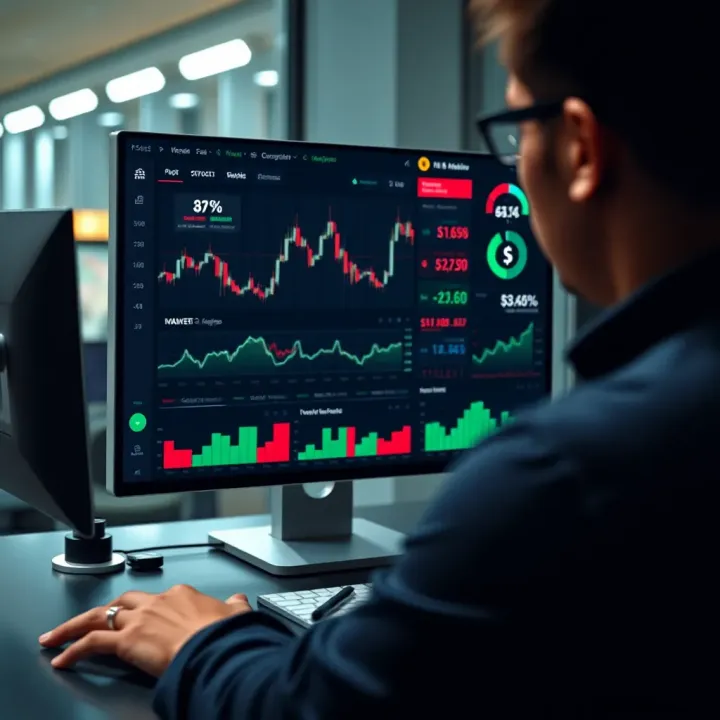
📈 Explore demo trading accounts for Indian traders! Learn, practise strategies, and get platform insights risk-free before investing real ₹₹. Perfect for all levels!

Discover what ATH (All-Time High) means in trading and how spotting these peaks helps investors in India manage risks and sharpen strategies effectively 📈💡
Based on 13 reviews