

Best Demo Trading Apps in India: Features & Benefits
📱 Explore the best demo trading apps in India to practise stock trading risk-free. Learn key features, benefits, and how to build skills before real investment. 💹
Edited By
Emily Harper
Demo trading apps have become essential tools for traders and investors who want to practice stock market trading without risking real money. These apps simulate live market conditions, allowing users to test strategies, understand market behaviour, and gain confidence before investing actual funds.
Choosing the right demo trading app matters because not all apps offer the same level of realism or features. Some apps provide delayed data or limited market instruments, which can affect the quality of practice. Hence, you must pick an app that closely mimics real trading scenarios, especially for the Indian market.
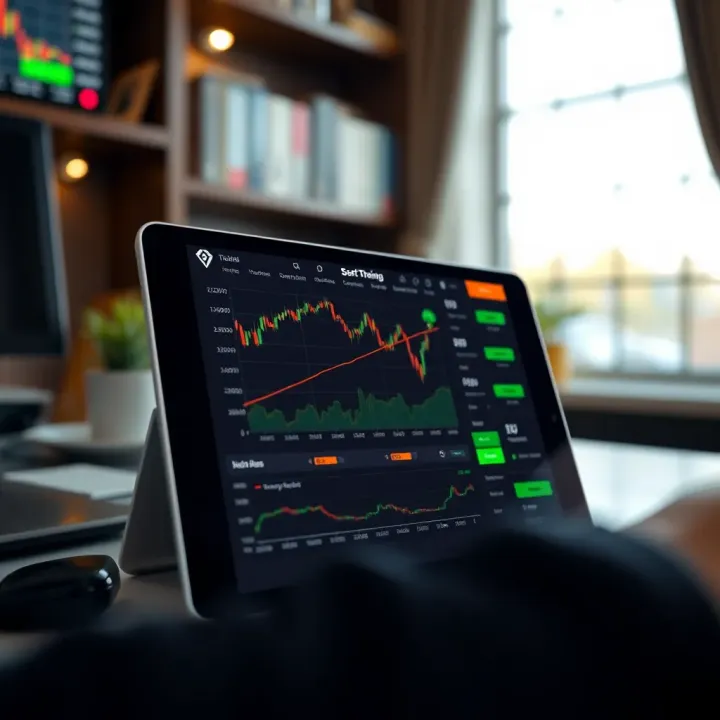
Key features to look for include:
Real-time market data: This ensures you get updated prices and news similar to live markets.
Variety of trading instruments: Look for apps offering stocks, commodities, derivatives, and mutual funds relevant to NSE and BSE.
User-friendly interface: A clean, intuitive design helps you focus on trading instead of navigating complex menus.
Risk management tools: Features like stop-loss and margin calculators train you in managing exposure.
Educational resources: Tutorials, charts, and webinars enhance your understanding alongside practical trading.
For instance, apps like Zerodha Kite and Upstox provide robust demo platforms with live market feeds and multiple instruments. On the other hand, some standalone apps focus solely on learning and might lack integration with live trading systems.
A demo trading app works well only if it bridges the gap between theory and real trading by offering practical, hands-on experience similar to what you face in actual markets.
Testing different apps before settling on one can save you from frustrations later. Pay attention to app speed, ease of placing orders, and reliability during volatile times.
To summarise, a good demo trading app for Indian traders should combine real-time data, diverse instruments, easy navigation, risk tools, and educational support. This will help you sharpen your skills effectively and avoid common pitfalls when you start live trading.
Understanding demo trading is fundamental for anyone aiming to dip their toes into stock market investments without immediate risks. Demo trading offers a simulation of real market conditions, letting users practice buying and selling stocks virtually. For instance, beginners can use it to learn how market orders and limit orders work, but with virtual money, so they don't lose actual funds while making mistakes.
The purpose behind demo trading is straightforward: it builds familiarity and confidence. Just like a pilot uses flight simulators before flying a real plane, traders use demo apps to build their market skills before risking real capital. This hands-on experience primes them to make better decisions when they eventually switch to live trading.
Demo trading refers to a practice environment that mimics the stock market, allowing users to execute trades with virtual money. The idea is to safely understand market mechanics, learn trading strategies, and get comfortable with trading platforms. This practice tool is especially helpful for freshers or those experimenting with new securities like derivatives or mutual funds.
By simulating real trades, users gain exposure to market fluctuations, order placements, and portfolio management without any financial risk. For example, a trader might test a momentum trading strategy in the demo app to see how it fares during volatile market hours before applying it live.
The clear distinction lies in financial exposure. Demo trading involves no real money, which removes emotional stress but sometimes doesn’t capture the psychological pressures of actual trading. Real trading demands dealing with market emotions like fear or greed, which often influence decision-making.
Additionally, some demo apps may not reflect exact market conditions, such as liquidity constraints or slippage — meaning that real trades might execute at prices slightly different from those in the demo. This gap is important to keep in mind as it affects the transition from practice to real trading.
Demo trading apps provide a zero-risk space where beginners can learn without losing a rupee. Users can explore different order types, understand how the NSE and BSE operate, and get accustomed to live updates. For example, a newbie can practise placing an intraday order and learn to exit positions quickly without worrying about actual losses.
This safety net encourages experimentation, helping users to grasp complex concepts like margin trading or short selling gradually before handling real money.
A demo app is perfect for trial runs. Traders can evaluate the effectiveness of strategies such as swing trading or scalping by observing how they perform over days or weeks. This testing phase helps identify profitable trades and exposes strategies that might fail under volatile conditions.
For instance, a trader might test a moving average crossover strategy within a demo app to check its success rate before deploying capital. It saves time and money by filtering out weak tactics.
Demo trading apps serve as a bridge to the real market world. They help users explore the user interface of popular trading platforms like Zerodha Kite or Upstox Pro. Understanding how to navigate charts, place orders, and customise watchlists ensures that once live trading begins, there’s no fumbling.
Moreover, these apps often replicate Indian market timings, incorporating features tied to NSE and BSE sessions. Familiarity gained here significantly reduces the learning curve when starting with real investments.
Practising in a demo trading environment prepares you for the realities of financial markets, enhancing your skill set and confidence without risking your hard-earned money.
Learn how order types work and test them risk-free
Understand behavioural aspects without monetary pressure
Prepare for smooth transition to live trading platforms
This approach transforms theoretical knowledge into practical skills, making demo trading an indispensable tool for traders and investors alike.
Choosing the right demo trading app hinges on certain key features that make the experience realistic and educational. These aspects help you simulate a true market environment without risking real money. Whether you are testing new strategies or getting used to platform quirks, these features ensure your practice matches live conditions as closely as possible.
Time delays and live data accuracy matter a lot because even a few seconds’ delay can affect trade decisions. A good demo app should offer near real-time market data or at least minimal lag to reflect true price movements. For example, if the NSE stock price moves during volatile hours, your demo app should capture those shifts. Otherwise, you may develop misleading expectations about execution speed and price trends.

Availability of NSE and BSE stocks is crucial if you want to practice trading in India’s primary markets. A demo app covering full NSE and Bombay Stock Exchange (BSE) listings lets you try out trading a variety of sectors and companies just like in the real market. It also helps you understand liquidity and volatility patterns across different stocks, which vary widely between bluechips and midcaps.
Ease of navigation makes or breaks your experience with a demo app. Intuitive menus, quick order placement, and accessible watchlists mean you spend more time trading and less time hunting for commands. For instance, Zerodha Kite’s clean layout is often praised for helping beginners focus on market action without getting lost.
Mobile and desktop versions widen your practice options. Some traders prefer mobile apps for on-the-go convenience, while others favour desktop platforms with bigger screens for detailed charting. The best demo trading apps offer seamless syncing between devices. So, you can analyse on your desktop during the day and check positions on mobile later.
Technical indicators such as moving averages, Relative Strength Index (RSI), and Bollinger Bands provide insights into price trends and momentum. A demo app should include popular indicators to help you learn how these tools influence entry and exit decisions.
Charting tools are equally important. Different chart types like candlestick, line, or bar charts allow you to spot patterns and signals. Tools that let you draw trendlines or support/resistance zones can greatly improve your technical analysis skills.
Risk management options like stop-loss, target orders, and position sizing must be present. Practising these helps build discipline, which often matters more than strategy. Using stop-loss effectively in demo creates habits that reduce damage during real trading.
Virtual fund limits keep your practice realistic. Most apps give a fixed virtual balance, typically ₹5-10 lakh, to trade with. This encourages you to manage capital wisely instead of making reckless bets possible with unlimited virtual money.
Performance tracking features, including profit/loss summaries and trade history, help evaluate your progress. Reviewing these stats guides you to strengthen weak areas or stick to strategies that work.
Educational resources like tutorials, webinars, or market news within the app provide added value. They turn practice sessions into comprehensive learning, especially for beginners keen on understanding broader market context.
Picking a demo trading app with these key features ensures your time spent practising translates well into live market confidence and better decision-making.
Choosing the right demo trading app matters a lot for investors in India. With so many options available, evaluating popular apps helps you pick one that suits your trading style and learning needs. Popular apps tend to offer better integration with Indian markets like NSE and BSE, plus relevant tools aligned with local trading norms. Besides the convenience of familiar stocks and market conditions, these apps often provide features designed to mimic real trading environments well.
By focusing on apps trusted by Indian users, you avoid wasting time on platforms that lack realistic data or user support. For example, apps connected to well-known brokers usually update market prices promptly and allow easy transition to live accounts. This practical benefit is key when you want demo trades to reflect what you might expect once you start investing real money.
Zerodha Kite's demo platform ties directly into Zerodha's broader trading ecosystem. This means if you decide to move from paper trading to real trading, onboarding is straightforward since the interfaces and account types remain consistent. Having this integration also helps you get used to the broker’s full feature set, including fund transfers through UPI, order types, and portfolio tracking.
Since Zerodha leads the Indian retail brokerage market, its demo app benefits from robust market data feeds covering NSE and BSE securities plus commodities. This precise simulation aids users in practising trades under near-live conditions without risking actual money.
Kite’s demo interface is sleek and uncluttered, designed to work well on desktops and mobiles. Traders can place orders, track open positions, and monitor real-time charts enriched with multiple technical indicators. Features such as limit orders, stop losses, and bracket orders are all available, allowing users to practise advanced strategies.
Moreover, the app supports seamless switching between normal and demo modes, so you can compare your learning progress against live markets. The availability of market news and updates within the app keeps users informed and ready for different scenarios.
Upstox Pro Demo delivers wide market coverage including equities from NSE, BSE, and mutual fund categories. This breadth of assets helps traders experiment across different securities, gaining exposure to various market segments. The demo is useful for those planning to diversify portfolios beyond just stocks.
The app updates price data swiftly, reflecting intraday movements realistically. Users can practise scalping, intraday calls, and positional trades on Indian shares under near-live conditions, which builds confidence for live trading.
Upstox Pro offers an impressive toolkit in demo mode—advanced charting with indicators like RSI, MACD, and Fibonacci retracements come standard. The tools support precise technical analysis required for active trading.
In demo, you also get access to order placement features such as cover orders and bracket orders with predefined risk limits. This helps in practising risk management, a key skill often overlooked by beginners.
Angel Broking’s virtual trading app focuses heavily on mobile usability, making it convenient for users wanting to practise trades on the go. The app mimics their main trading platform with simple navigation, allowing quick order entry and portfolio views.
The touch-friendly layout supports multiple chart styles, market watch lists, and order types, offering enough tools for intraday and long-term traders alike. Since many Indian traders prefer mobile-first experiences, Angel Broking caters well to this demand.
Angel Broking integrates learning materials directly into its demo app. Users can access market updates, webinars, and tutorials without leaving the platform. This blend of demo trading and education helps beginners build foundational knowledge alongside practical trading skills.
These resources reinforce trading discipline and strategy, increasing the chance of smoother transitions to real trading.
Smallcase stands apart by focusing on thematic investing rather than individual stock trades. Its demo platform allows users to explore ready-made portfolios representing sectors, themes, or strategies.
This approach suits investors interested in longer-term equity exposure without frequent trading. Practising on Smallcase helps understand how diversified baskets perform, as well as portfolio rebalancing over time.
Sharekhan’s demo trading environment supports a broad range of Indian equities and derivatives. It offers extensive charting features and technical indicators familiar to active traders.
The app also pairs virtual trading with educational workshops and expert market insights, supporting skill development. This makes it a solid choice for investors eager to learn through both practise and guidance.
Picking a demo trading app linked to established Indian brokers provides a realistic, locally relevant practice space. It also eases switching to live markets, which is the end goal for most users.
Using a demo trading app well can significantly improve your chances when you move to real markets. It’s not just about practising trades; it’s about building habits, understanding market mechanics, and learning from your actions. Here’s how you can get the most out of demo trading.
Start by setting practical goals before launching your demo sessions. For instance, if you are new to equities, aim to understand basic order types like limit and market orders rather than trying complex strategies immediately. Choose achievable objectives such as "make 5 simulated trades this week focusing on NSE mid-cap stocks" or "improve entry timing within these sectors." This prevents frustration and keeps you focused. Realistic goals also mean acknowledging that profits will vary and losing a few trades is part of learning.
Demo platforms let you experiment without financial risk, so try out a variety of strategies. For example, test momentum trading techniques one day and then switches to value investing the next. This exploration helps you discover what fits your temperament and market understanding. By practising stop-loss placements or using technical indicators like RSI and MACD in demo mode, you get hands-on experience that sharpens your skills. Importantly, treat your demo trades with the same seriousness as real ones — no reckless gambles just because there’s no money at stake.
Keep a trading journal even in demo mode. Document why you entered or exited trades, and reflect on your wins and losses. For example, if you notice frequent exits due to panic rather than strategy, focus on managing emotional bias next. Many demo traders miss this step and end repeating the same mistakes. Progress tracking also shows improvement areas and prevents random guesswork. Some apps offer built-in performance analytics; use these tools to quantify your growth.
Practice does not make perfect; perfect practice makes perfect.
Demo trading doesn’t replicate the emotional pressure of risking real money. So, before going live, trade small amounts initially and gradually increase exposure. Set strict capital allocations and stick to the risk limits you followed in demo mode. For example, if you used a 1% stop-loss in demo, don’t suddenly loosen it. Staying disciplined helps ease into live markets without big shocks. Remember, patience is key — many successful Indian traders took months or years honing skills in demo before switching to real accounts.
Using a demo trading app effectively means planning, experimenting, tracking, and transitioning thoughtfully. This approach builds a solid foundation rather than just running through virtual trades aimlessly.
Demo trading apps provide a risk-free platform to learn and experiment, but they come with their own set of challenges. Understanding these difficulties helps traders avoid common pitfalls, making the transition to live trading smoother and more realistic.
One of the biggest challenges is recognising the gap between demo and real trading environments. Demo platforms often offer perfect order executions, zero slippage, and no transaction costs. For instance, you might experience instant order fills on a demo app like Zerodha Kite's virtual trading, while in live markets, orders can be partially filled or delayed, especially during high volatility. This can cause frustration when switching to real trading.
To tackle this, traders should treat the demo as a learning tool rather than an exact replication of live conditions. Adding manual checks for slippage or simulated brokerage charges in your demo strategies can help bridge this gap. Also, practicing on demo accounts during peak market hours gives a better feel of real-time liquidity and order book fluctuations.
Demo trading does not replicate the emotional stress of losing real money. For example, a trader might take high-risk trades trusting their virtual profits, unaware that in live trading, fear and greed often influence decisions. This emotional bias can undermine even well-researched strategies.
To manage emotions, try setting realistic fund limits on demo apps and treat virtual losses with seriousness. Role-playing scenarios where you imagine losing real money can build mental resilience. Keeping a trading journal to note emotional responses during both demo and live sessions also helps in identifying and controlling biases.
Performing well in demo trading can create false confidence. The lack of real risk sometimes leads to taking excessive risks or ignoring market warnings. For example, consistently gaining profits in Sharekhan Virtual Trading might encourage you to overtrade once you move to actual markets.
It is crucial to remember that demo results do not guarantee success. Limit demo trading to understanding patterns and testing strategies, not prediction of profits. Gradually scale into live trading with small investments, evaluating performance realistically.
Recognising these limitations and approaching demo trading as a stepping stone rather than a guarantee helps build disciplined, effective trading habits.
By acknowledging these common challenges and adopting practical methods to address them, traders can make better use of demo apps and prepare themselves for the complexities of live markets.
📱 Explore the best demo trading apps in India to practise stock trading risk-free. Learn key features, benefits, and how to build skills before real investment. 💹
Learn how demo trading in India helps build skills with virtual money on popular platforms, offering a risk-free way to prepare for real stock market investments 📈💡
📈 Explore demo trading accounts for Indian traders! Learn, practise strategies, and get platform insights risk-free before investing real ₹₹. Perfect for all levels!

Explore the best trading apps in India 📈 with detailed features, user-friendliness, costs, and security insights to pick the right platform for your investments safely 🔒.
Based on 10 reviews