

Binary Option Trading Guide for Indian Investors
📊 Dive into binary option trading with this practical guide for Indian investors 🇮🇳. Learn its rules, risks, legal aspects & smart strategies to trade safely.
Edited By
Oliver Mitchell
Binary trading platforms have attracted attention in India as a fast-paced way to trade financial assets by predicting price movements. In simple terms, binary trading involves placing bets on whether an asset’s price will rise or fall within a fixed time. Instead of buying the asset itself, you earn a fixed payout if your guess is correct, or lose your investment if it’s wrong.
These platforms offer access to assets like currency pairs, stocks, commodities, and indices. Indian traders often find them appealing due to the clarity of risk and return upfront, as the outcome is binary: either a gain or a loss. However, the ease of entry can mask significant risks that must not be ignored.

Binary trading is not the same as conventional equity or commodity trading on Indian exchanges; it functions more like a high-stakes prediction game rather than investing in the underlying asset.
Most binary trading platforms operate online, offering user-friendly interfaces and quick execution of trades. Typically, trades last from 30 seconds to a few minutes, appealing to traders who prefer short-term decisions. Platforms provide tools such as real-time charts, technical indicators, and demo accounts to get started.
However, the regulatory environment in India treats binary options with caution. The Securities and Exchange Board of India (SEBI) does not allow binary options trading on recognised exchanges, and most platforms accessible to Indian users operate outside government oversight. This raises legitimate concerns about fraud and unregulated operations.
When considering binary trading, it’s key to understand:
How your returns are fixed in advance but your chances of loss are equal or higher
The short time frames involved which can encourage impulsive decisions
The absence of strong regulatory protection in India
Many popular binary trading platforms accessible in India hold licenses from overseas regulators, but this does not guarantee safety. Traders should thoroughly research and look for transparent terms, reliable payouts, and user feedback.
In this article, we’ll break down the key aspects of binary trading platforms in India, including the operational model, risks, legal status, and practical tips for selecting platforms that meet your risk appetite and goals.
Understanding what binary trading entails and how it functions is essential for anyone considering this type of investment in India. Binary trading offers a straightforward way to speculate on price movements of various assets with a fixed return, making it appealing to both beginners and experienced traders. Grasping its fundamentals helps investors weigh its practicality against traditional trading methods.
Binary trading is a financial instrument based on a simple yes/no proposition: will the price of an asset be above or below a certain level at a specific time? It’s a type of option where the payoff is either a fixed amount or nothing at all, hence the term 'binary'. For example, a trader might bet Rs 10,000 that the price of gold will be higher than ₹5,000 per gram in the next hour. If this condition is met, the trader receives a fixed payout, often around 70-85%, otherwise, they lose their stakes.
There are several variants of binary options, with the main types being 'High/Low' and 'One Touch'. The High/Low option predicts whether the asset’s price will go up or down by the expiry time, which is the most common form. On the other hand, One Touch options require the price to touch a predetermined level at least once before expiry for a payout. These options provide varying risk and reward balances, making them suitable for different trading preferences.
Binary trading platforms are designed for ease of use, typically featuring a clear dashboard that displays current asset prices, time frames, and payout rates. Traders select the asset, choose the type of binary option, decide the investment amount, and then predict the price direction. The platform executes the trade, tracks its expiry, and automatically credits or debits the trader’s account based on the outcome. For example, platforms like IQ Option or ExpertOption offer intuitive apps compatible with mobiles widely used across India.
Platforms generally offer a range of assets including stocks of companies like Reliance or Tata Motors, commodities like crude oil and gold, popular currency pairs, and indices such as the Nifty 50. Payouts depend on the asset’s volatility and the chosen option; more volatile assets often offer higher returns but with increased risk. Typically, payout ratios range between 70-90%. It’s crucial to understand these structures to manage expectations and tailor strategies accordingly.
Binary trading offers quick opportunities but requires clear understanding of its mechanisms and risks before diving in.
This section sets the foundation to explore regulatory factors, risks, and strategies in succeeding parts of this article.
Understanding the regulatory framework around binary trading platforms in India is vital for anyone looking to enter this space. The rules set by financial authorities not only influence how platforms operate but also impact the safety and legality of trading activities for users. Without clear regulation, traders can easily stumble into unsecure platforms that risk their investments and personal data.
SEBI, India’s securities market regulator, has not formally recognised binary options as a permitted trading instrument within regulated Indian exchanges. Essentially, this means no authorised Indian brokerages offer binary options trading under SEBI oversight. Traders using binary options often resort to offshore platforms, which operate outside Indian regulatory control.
This lack of recognition is primarily because binary options are considered closer to gambling than investment under Indian law. SEBI’s stance is informed by protecting investors from speculative and high-risk financial products that resemble betting rather than traditional securities.
The Reserve Bank of India (RBI) plays a significant role when it comes to transactions involving foreign exchange, which is relevant for binary trading platforms that deal with overseas assets. RBI regulations restrict Indians from converting or transferring money abroad unless it complies with the Liberalised Remittance Scheme (LRS) limits and other foreign exchange rules.

For example, depositing funds into an international binary trading platform could face legal complications if it violates RBI’s foreign exchange management act (FEMA) provisions. Using Payment Gateway Systems or wallets for such transactions can also pose issues if they do not align with RBI’s authorisation, increasing the risk of blocked or frozen funds.
A significant risk for traders is using platforms unregulated by Indian authorities or even internationally. Such platforms may not guarantee the fairness of trades or transparency in payout. Cases of sudden account freezes, delayed or denied withdrawals, and rigged trading conditions have been reported, especially with lesser-known sites.
For instance, many Indian binary option users have faced difficulties in reclaiming funds from overseas platforms that suddenly shut down or changed their terms without notice. These situations cause financial loss and frustration, as legal recourse becomes difficult across jurisdictions.
Always check if a binary trading platform is regulated by a credible authority and provides user protections before investing your money.
Traders who engage with non-compliant binary options platforms risk violating Indian laws related to gambling and foreign exchange. Though there is no explicit ban on trading binary options, absence of regulatory approval can expose users to legal scrutiny, especially if under suspicious transactions or money laundering probes.
On the safety front, caution is needed in sharing personal information and banking details on unverified sites. Traders should prioritise platforms that follow stringent KYC (Know Your Customer) norms and use secure payment gateways. This reduces exposure to identity theft and financial fraud.
Considering the regulatory uncertainties and potential trapdoors in unregulated trading, it is wise to limit participation to only well-known, compliant platforms and use demo accounts to familiarise yourself before trading with real money.
Binary trading, while alluring with its promise of quick returns, comes wrapped with significant risks. Understanding these challenges is key for anyone looking to engage in this form of trading, especially in the Indian context where regulatory clarity remains evolving. This section highlights the main risks traders face and how to manage them smartly.
Binary trading revolves around predicting whether an asset's price will rise or fall by a certain expiry time. This inherently short-term, all-or-nothing setup makes it highly volatile. Prices can swing wildly within minutes, and the entire invested amount can disappear just as fast.
For example, a trader betting ₹10,000 on a stock moving up in the next 15 minutes could easily lose the whole sum if the price dips even slightly instead. Unlike traditional equity investment where losses can often be managed or limited, binary options usually offer fixed payouts and fixed risks. This means effective risk management becomes critical.
The landscape of binary trading in India is unfortunately dotted with dubious platforms. Some unregulated sites lure unsuspecting traders with promises of guaranteed returns or easy profits. Often, these platforms manipulate payouts, delay withdrawals, or outright deny access to funds.
A common trap involves bonus schemes that seem attractive but come with complicated terms preventing cashouts. Indian traders must remain wary of such pitfalls and prioritise platforms with transparent operations and proper licensing wherever applicable. Trading on platforms without regulatory oversight significantly increases the chances of falling victim to scams.
The best defence against binary trading risks is a disciplined approach. Setting clear loss limits, avoiding chasing losses, and not risking more than a small portion of your capital on a single trade helps preserve your funds.
For instance, seasoned traders often use the 1-2% rule: never risk more than 1-2% of your total trading capital on any binary option trade. This prevents sudden large losses and keeps emotions like fear or greed in check. Sticking to a trading plan and avoiding impulsive bets also lowers risk exposure considerably.
Many reliable platforms offer demo accounts, allowing traders to practise without risking real money. Demo trading helps beginners understand price movements, test strategies, and familiarise themselves with the platform interface.
Besides practice, thorough research into assets, current market trends, and global financial news feeds can improve your predictions. Relying solely on guesswork or hot tips is a recipe for loss. Monitoring economic indicators or corporate results reported during trading periods provides an edge, especially in volatile Indian markets.
Caution combined with knowledge and good money management practices is your best ally in navigating the risky world of binary trading.
Understanding these challenges and applying smart tactics can help Indian traders avoid most common pitfalls in binary trading and approach it in a more informed, cautious way.
Selecting a trustworthy binary trading platform is a crucial step for investors and traders in India. With the rise of numerous platforms claiming to offer lucrative returns, distinguishing genuine services from questionable ones can be challenging. A reliable platform not only safeguards your funds but also ensures fair trading conditions and smooth operations, which ultimately impacts your trading success.
User safety is non-negotiable when it comes to binary trading. Reputable platforms should use robust security protocols such as Secure Socket Layer (SSL) encryption to protect your personal and financial data during transactions. Additionally, platforms offering two-factor authentication (2FA) add an extra layer of protection against unauthorised access. For example, some platforms require a one-time password (OTP) sent to your mobile or email before logging in or withdrawing funds. This often prevents fraud and mining of user information on unsecured networks.
Platforms authorised by respected regulatory bodies or displaying clear Privacy Policies signal commitment towards user protection. Indian traders must ensure that the payment gateways supported on these sites comply with local standards like PCI DSS to minimise risks of data breaches.
Transparency is key to building trust in any trading environment. A good binary trading platform openly shares information about payout percentages, fees, and the algorithm governing price movements. Lack of clarity in these areas is usually a red flag. For instance, a platform should clearly state that a payout might be 70% on a winning trade and have no hidden charges affecting withdrawals.
Fairness also involves reliable charting tools and real-time data feeds. If a platform delays price updates or manipulates asset values, traders lose the ability to make informed decisions. Reviewing user feedback and thorough research about the platform’s reputation can prevent falling into traps set by unfair operators.
Many global binary trading platforms welcome Indian users by providing localised customer support, payment options in INR, and compliance with country-specific regulations where possible. Examples include IQ Option and Binomo, which offer platforms accessible in India with educational resources tailored to Indian traders. These platforms often facilitate deposits via UPI, net banking, and popular wallets like Paytm, making transactions convenient.
Despite international credentials, Indian traders should verify the platform's standing with Indian regulatory updates and ensure it supports safe withdrawal channels.
Mobile apps and web portals have made binary trading accessible anywhere in India, including tier-2 and tier-3 cities. Leading platforms prioritise smooth user experiences on both Android and iOS devices, offering features like instant notifications and one-click trades for quick decision-making.
For example, trading apps from Pocket Option or ExpertOption combine easy navigation with educational tools to assist beginners. Web portals often provide deeper analytics and charting tools for experienced traders. Choosing a platform that offers both app and web access can help traders operate flexibly according to their needs.
When choosing platforms, balance convenience with due diligence by checking security measures, transparency, and user reviews to protect your investments in India's evolving binary trading market.
Starting with binary trading requires a clear understanding of the process, especially since it involves financial risks. Knowing how to create an account and fund it, as well as having basic strategies in place, can save you from pitfalls common to beginners.
Binary trading platforms operating in India usually require identity verification to comply with regulatory norms. You'll likely need to submit documents like your Aadhaar card, PAN card, and proof of address. These checks help prevent fraud and ensure only legitimate users access the platform. For example, during the onboarding process, a scanned copy of your PAN card might be uploaded along with a selfie for validation.
Verification can take anywhere from a few hours to a couple of days depending on the platform's efficiency. If the platform fails to do proper verification, you risk your account being suspended or your funds blocked unexpectedly. So, completing this step carefully and promptly is vital for smooth trading.
Depositing funds on binary trading platforms in India typically involves multiple payment options such as net banking, UPI, credit/debit cards, and wallets like Paytm or PhonePe. This flexibility helps Indian traders quickly move money into their trading accounts.
Keep in mind that some platforms may impose minimum deposit limits, often starting at ₹1,000 or ₹5,000. Also, payment processing times vary; for instance, UPI transfers tend to be instant, while card payments might take longer due to verification procedures. Choosing a payment method with zero or minimal transaction fees saves money over time.
Binary trading has an allure due to its simplicity, but beginners should set realistic goals to avoid big losses. Understand that consistent profits are not guaranteed, and losses form part of the learning curve. For example, aiming to earn ₹5,000 daily from a ₹10,000 investment right away is unrealistic.
Approach trading as a gradual skill-building activity. Start with small trades and only risk money you can afford to lose. This cautious mindset helps limit emotional decisions and reduces potential financial strain.
Before trading with real money, spend time learning key concepts and practising on demo accounts offered by most platforms. Simulated trading helps you understand market behaviour and test strategies without risking capital.
For instance, try practising different expiry times and asset choices to see how market movements affect outcomes. Many platforms provide tutorials or webinars tailored for Indian users that explain technical and fundamental analysis techniques. Continuous learning sharpens your decision-making and builds confidence.
Remember, patience and practise are your best tools in binary trading. Educate yourself thoroughly and use demo accounts before diving into real trades.
By following these steps carefully, you position yourself to trade more safely and effectively in India’s growing binary trading space.
📊 Dive into binary option trading with this practical guide for Indian investors 🇮🇳. Learn its rules, risks, legal aspects & smart strategies to trade safely.

📈Explore real trading platforms in India, their key features, types, security tips, and legal aspects to trade smarter and safer.🔒💹
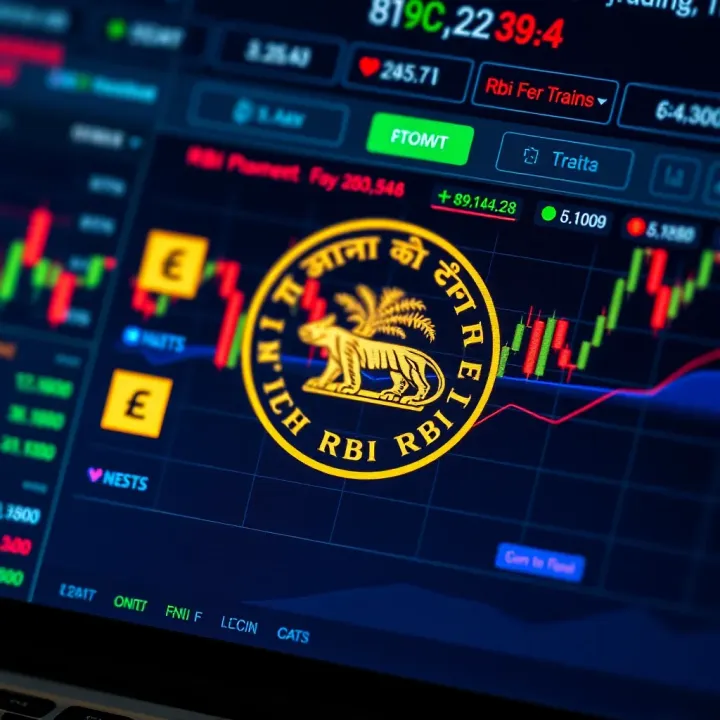
Discover insightful tips on RBI-authorized forex trading platforms in India 🇮🇳 to trade safely, understand compliance & pick legitimate options with confidence 💹

📱 Looking for the best mobile for trading in India? Learn which mobiles offer fast processing, sharp display, strong security & smooth connectivity for traders.
Based on 5 reviews